Electric bus services in Mumbai faced severe disruptions after Adani Electricity disconnected power at key BEST depots over ₹8 crore in unpaid bills by wet-lease operator EVEY Trans. The incident stranded morning commuters and highlighted financial friction between transit authorities and private operators in Mumbai's clean mobility transition.
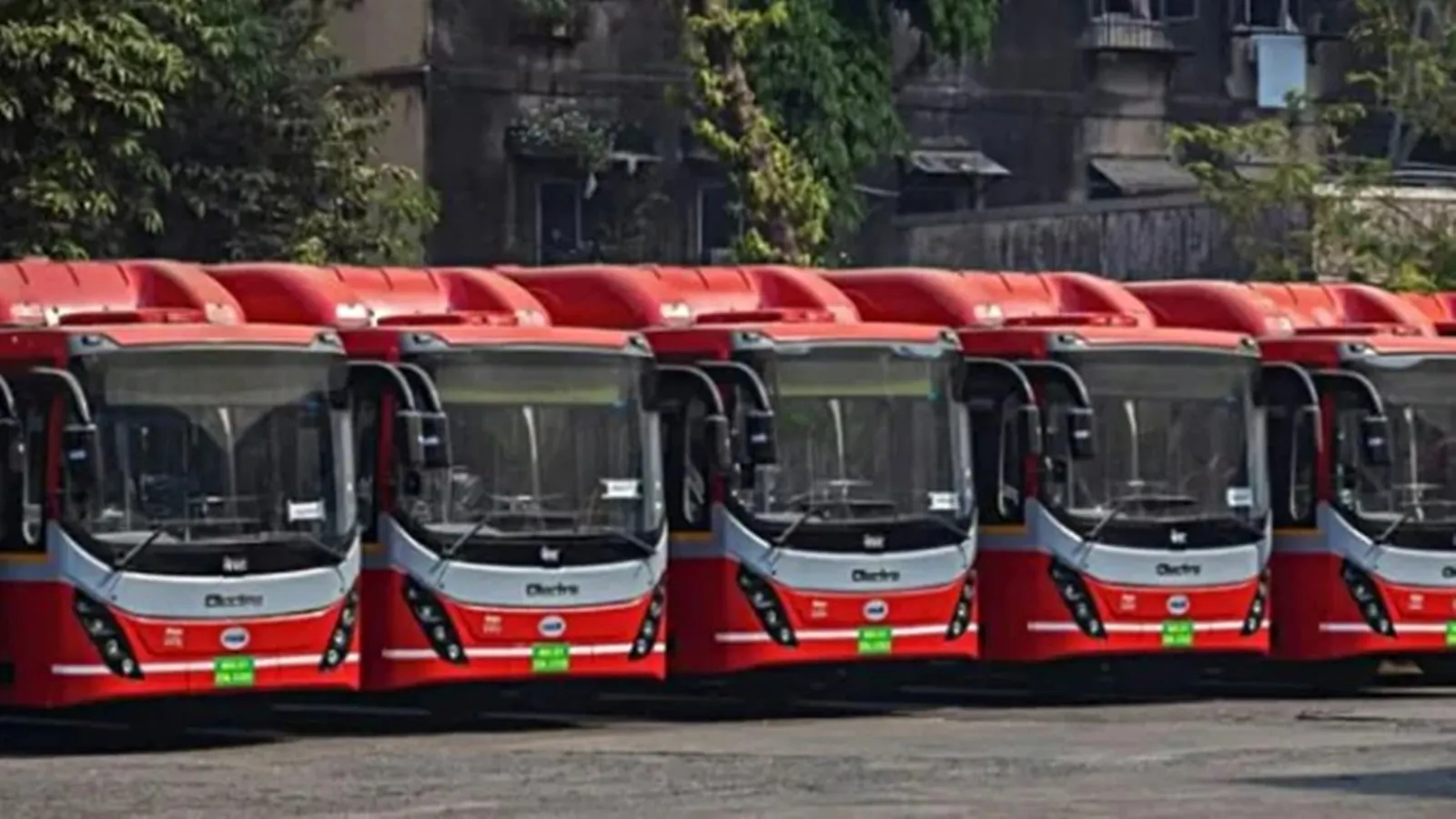
MUMBAI — Electric bus operations across several key transit corridors in Mumbai faced significant groundings on July 30, 2026, leading to widespread passenger delays, after BEST services disrupted over allegedly unpaid bills totaling more than ₹8 crore. The operational bottleneck occurred when utility supplier Adani Electricity disconnected power feeds to primary charging stations—including the Majas and Gorai bus depots—following non-payment of electricity dues by wet-lease private operator EVEY Trans (Olectra Greentech). The unexpected shutdown left dozens of battery-electric vehicles uncharged and unable to start scheduled morning trips, forcing thousands of daily commuters onto already overcrowded suburban rail networks and commercial taxis.
Power Cuts at Key Depots Halt Electric Bus Fleet Deployment
The operational breakdown came to light following a formal communication sent by BEST Committee member Ajay Singh to BEST Chairperson Trishna Vishwasrao. According to the representation, charging infrastructure at critical depots was abruptly cut off after private concessionaire EVEY Trans failed to clear outstanding electricity accounts with Adani Electricity Energy Mumbai Limited.
With charging stations rendered inactive overnight, multiple electric bus routes operating out of Western and Northern Mumbai suburbs were unable to deploy their full vehicle allocations. Passengers experienced extended headways, cancelled trips, and heavy overcrowding at major bus stops during peak morning commute hours.
The incident highlights systemic vulnerabilities in Mumbai's transition toward clean mobility, where public transit availability depends directly on the financial liquidity and operational compliance of third-party private contractors.
Cash Flow Constraints and Contractual Payment Delays Surface
The root cause of the power disconnections highlights broader financial tensions between municipal transport authorities and wet-lease operators. Under standard wet-lease terms, the Brihanmumbai Electric Supply and Transport (BEST) undertaking releases 80 percent of monthly operational payments to private contractors by the 7th of every month to cover ongoing operational expenditures, including power supply.
However, sources at EVEY Trans revealed that approximately 30 percent of monthly dues owed to the operator have remained pending since April 2026. Combined with rising power consumption charges—where actual operating costs hover near ₹20 per kilometer against contractual reimbursement rates of ₹10.50 per kilometer—the operator experienced severe cash flow deficits that prevented timely bill settlements.
This financial mismatch directly triggered the power cutoff, illustrating how contractual payment delays can cascade into public transport service failures.
Escalating Pressure on Mumbai Transit Infrastructure
The disruption adds fresh strain to Mumbai's public transport system. As Mumbai's second-largest mass transit provider after the suburban railway network, BEST carries approximately 25 lakh passengers daily across a fleet of 2,700 buses. More than 65 percent of this active fleet is operated under private wet-lease agreements rather than direct municipal ownership.
Impact on Passengers: Commuters faced sudden trip cancellations, longer queue times at bus stops, and forced reliance on higher-cost auto-rickshaws and app-based ride-hailing services.
Impact on Municipal Administration: Civic leaders face intensifying scrutiny regarding oversight mechanisms for wet-lease contractors and contract enforcement.
Impact on EV Operators and Investors: The event underscores operational risks associated with fixed-rate kilometer contracts amidst volatile electricity tariffs and delayed subsidy dispatches.
Official Sources Section
According to official letters, administrative filings, and spokesperson disclosures released in Mumbai:
BEST Committee Representation: Official letter submitted by BEST Committee member Ajay Singh to Chairperson Trishna Vishwasrao detailing depot power cuts.
Private Operator Disclosures: Operational briefs and cash flow summaries provided by EVEY Trans and Olectra Greentech representatives.
Power Utility Statements: Billing notifications and disconnection filings recorded by Adani Electricity Energy Mumbai Limited.
Official Quotes and Statements
In official representations regarding the depot power disconnections:
Ajay Singh, BEST Committee Member:
"The BEST administration releases 80 percent of due payments to private contractors before the 7th of every month to ensure seamless operations. Despite this, private operators failed to pay electricity bills to Adani Power, leading to disconnected supply at Majas and Gorai depots and leaving passengers stranded."
According to officials at EVEY Trans:
"A significant portion of monthly operational payments due since April 2026 remains pending, creating severe working capital constraints while electricity charges for high-capacity fast charging continue to escalate."
Why It Matters
When BEST services disrupted over allegedly unpaid bills, it exposed structural vulnerabilities in public-private transit partnerships. As Indian megacities aggressively convert public transit fleets to battery-electric power, operational reliability depends on robust payment security, transparent escrow mechanisms for utility bills, and timely disbursement of contractor dues. Without clear regulatory safeguards, commercial disputes between power utilities and private bus concessionaires will continue to disrupt daily urban mobility.
Key Facts at a Glance
Power Cutoff at Depots: Adani Electricity disconnected power at key depots including Majas and Gorai due to over ₹8 crore in unpaid bills.
Service Disruption: Uncharged electric buses were grounded, stranding commuters across suburban Mumbai routes.
Pending Receivables: Operator EVEY Trans reported that roughly 30% of monthly payments due from BEST since April 2026 remain unpaid.
High Operational Costs: E-bus operating costs reached approximately ₹20 per kilometer versus contracted rates of ₹10.50 per kilometer.
Frequently Asked Questions (FAQ)
Why were BEST electric bus services disrupted in Mumbai?
Services faced disruptions after power supply to electric bus charging depots was disconnected due to over ₹8 crore in unpaid electricity bills owed by private operator EVEY Trans to Adani Electricity.
Which bus depots were affected by the power disconnection?
Major depots affected included the Majas and Gorai depots, leaving battery-electric buses without sufficient charge for morning scheduled runs.
What caused the delay in paying the electricity bills?
Private operator sources cited cash flow difficulties resulting from pending monthly disbursements from BEST since April 2026, alongside higher-than-expected power consumption costs.
How does the wet-lease model operate for BEST buses?
Under wet-leasing, private contractors own, maintain, and charge the buses while providing drivers, and BEST collects passenger fares and pays operators a fixed per-kilometer fee.
Source: Official committee correspondence from the Brihanmumbai Electric Supply and Transport Undertaking, billing notices from Adani Electricity Mumbai Limited, and financial disclosures from Olectra Greentech Limited.