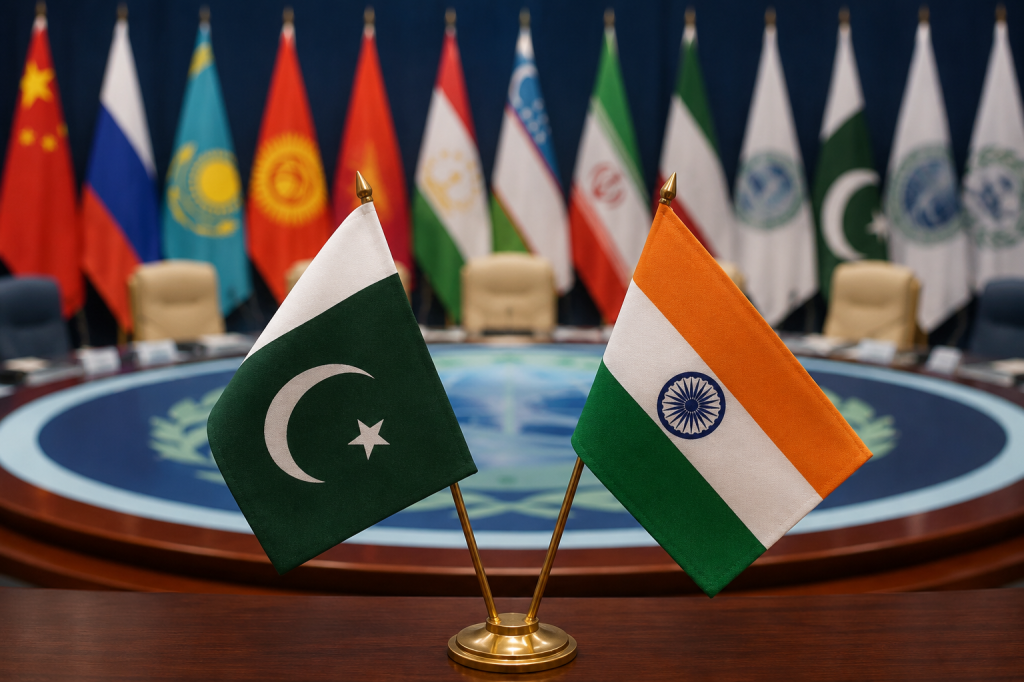
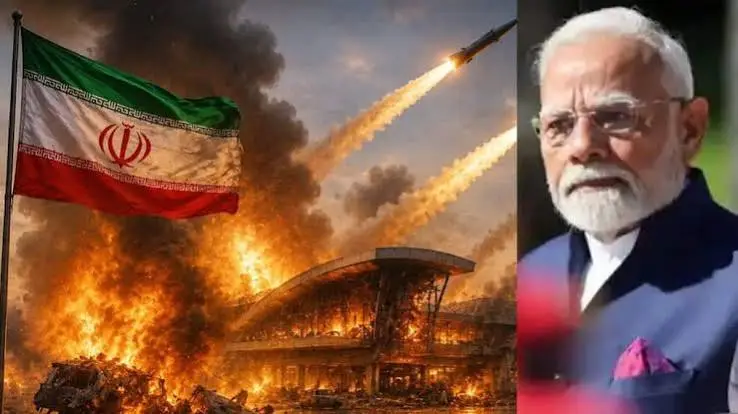
Speculation surrounds Prime Minister Narendra Modi’s potential attendance at the upcoming SCO Summit in Pakistan, marking one year since Operation Sindoor. While multilateral commitments require Indian representation, New Delhi is evaluating ministerial or virtual options to maintain its firm policy against state-sponsored cross-border terrorism.
NEW DELHI — Speculation surrounding whether Prime Minister Narendra Modi will travel to Islamabad for the upcoming Shanghai Cooperation Organisation (SCO) Council of Heads of Government summit has reached a critical juncture. One year after India launched "Operation Sindoor"—a military response to the April 2025 cross-border terror attack in Pahalgam—diplomatic observers and security analysts are closely watching New Delhi's decision regarding high-level representation in Pakistan.
The decision carries significant geopolitical weight for South Asia and the broader Eurasian region. While the multilateral nature of the SCO framework requires member states to participate in official proceedings, bilateral relations between India and Pakistan remain severely strained following counter-terrorism operations and subsequent diplomatic downgrades.
Strategic Dilemma: Multilateral Obligations vs. Bilateral Tensions
India became a full member of the Shanghai Cooperation Organisation alongside Pakistan in 2017. The charter obligates member states to cooperate on regional security, counter-terrorism, trade, and energy connectivity through the Regional Anti-Terrorist Structure (RATS). However, bilateral engagements between New Delhi and Islamabad have remained suspended since major cross-border incidents and constitutional revisions in Jammu and Kashmir.
Following the Pahalgam terror attack in early 2025, Indian military forces executed Operation Sindoor, targeting militant infrastructure across the Line of Control. Prime Minister Narendra Modi subsequently reiterated India’s firm posture that "talks and terror cannot go together," establishing a strict baseline for any diplomatic engagement.
During previous multilateral summits hosted in member countries, India has maintained a clear distinction between multilateral compliance and bilateral normalization. When Pakistan hosted SCO ministerial meetings in late 2024, New Delhi deployed Minister of External Affairs Dr. S. Jaishankar to represent the nation, keeping interaction with Pakistani hosts strictly formal and focused entirely on the SCO agenda.
Precedents Point to Alternative Representation Options
Diplomatic precedent suggests multiple potential avenues for India’s participation:
Ministerial Representation: Prime Minister Modi may delegate attendance to External Affairs Minister Dr. S. Jaishankar or another senior cabinet minister, maintaining India's presence without conferring a head-of-state visit.
Virtual Participation: In line with previous SCO formats during periods of geopolitical sensitivity, the Prime Minister could address the summit via video conference.
Special Envoy Deployment: Sending a designated high-level official or National Security Advisor to deliver India’s interventions on regional security and economic cooperation.
Analytic institutions emphasize that skipping the summit entirely is unlikely, as India seeks to maintain its active influence within Central Asian security arrangements and block attempts to dilute anti-terrorism directives.
Impact on Regional Stability, Trade, and Markets
The decision on India's representation impacts key regional dynamics:
Regional Security Cooperation: India’s presence at the SCO ensures that cross-border terrorism remains a central agenda item within RATS discussions.
Economic and Connectivity Corridor: Central Asian republics closely watch India's commitment to multilateral trade routes, including the International North-South Transport Corridor (INSTC) and Chabahar Port development.
Investor Confidence: Defense and foreign policy analysts note that clear, predictable diplomatic stances preserve market stability across South Asian financial hubs.
Official Statements and Declarations
According to official briefings from the Ministry of External Affairs (MEA), final announcements regarding Prime Minister Modi's travel itinerary are made closer to scheduled summit dates following comprehensive security and strategic evaluations.
"India remains committed to the SCO charter and multilateral cooperation across Eurasia," stated ministry officials during a recent media briefing. "However, our position on state-sponsored terrorism remains unwavering and non-negotiable."
Organizers at the SCO Secretariat confirmed that formal invitations have been extended to all member state leaders in accordance with standard organizational protocol.
Why It Matters
The outcome of this decision illustrates how New Delhi balances its growing leadership in major Eurasian blocs—such as the SCO and BRICS—against its strict national security mandates. High-level participation sends signals to global partners, demonstrating whether multilateral platforms can operate independently of deep-seated bilateral disputes.
Key Facts at a Glance
Context: One year following Operation Sindoor, launched in response to the 2025 Pahalgam terror attack.
Summit Host: Pakistan holds the rotating chair for the SCO Council of Heads of Government.
Diplomatic Stance: India maintains that bilateral talks remain frozen until terrorism support ceases.
Participation Alternatives: Attendance by a senior cabinet minister, virtual address, or special envoy representation.
Core Focus: Counter-terrorism through SCO-RATS, regional connectivity, and Eurasian security.
Frequently Asked Questions (FAQs)
Has Prime Minister Narendra Modi confirmed a visit to Pakistan?
No official travel confirmation has been issued by the Prime Minister’s Office or the Ministry of External Affairs regarding a personal visit to Pakistan.
What was Operation Sindoor?
Operation Sindoor was an Indian military counter-terrorism operation conducted in mid-2025 following a terror attack in Pahalgam, Jammu and Kashmir.
Can India participate in the SCO summit without PM Modi visiting in person?
Yes. SCO protocol permits member states to be represented by designated cabinet ministers, special envoys, or through virtual participation.
Why is SCO participation important for India?
The SCO serves as a primary platform for India to engage Central Asian nations, address Eurasian security concerns, and advocate for strict regional counter-terrorism frameworks.
Source: Official announcements from the Ministry of External Affairs and releases from the Shanghai Cooperation Organisation Secretariat.