Youth movements across South Asia—notably in India, Bangladesh, and Sri Lanka—are transforming regional governance, economic policies, and institutional transparency. Driven by demographic weight, graduate unemployment, and digital organization, young citizens are compelling governments to implement public sector reforms, expand technical training, and strengthen democratic accountability across regional capitals.
NEW DELHI — Youth movements across South Asia are driving fundamental shifts in political governance, institutional accountability, and economic policy, according to recent regional policy reports and government briefings. From the 2022 Aragalaya movement in Sri Lanka and the 2024 student-led political transitions in Bangladesh to youth-driven electoral mobilization in India, young citizens under the age of 30 are establishing themselves as a primary force in regional governance. Policy analysts and international observers emphasize that understanding these youth uprisings provides vital lessons for regional stability, democratic participation, and economic resilience across South Asia today.
The Catalyst: Economic Strain and Digital Mobilization
The accelerated momentum of youth movements in South Asia stems from a combination of economic pressures and digital connectivity. According to demographic data from the United Nations Development Programme (UNDP), South Asia holds one of the largest youth populations globally, with over 45 percent of the region’s population under 25 years of age.
Economic factors—specifically graduate unemployment, inflation, and public sector recruitment bottlenecks—have acted as primary triggers for youth-led demonstrations:
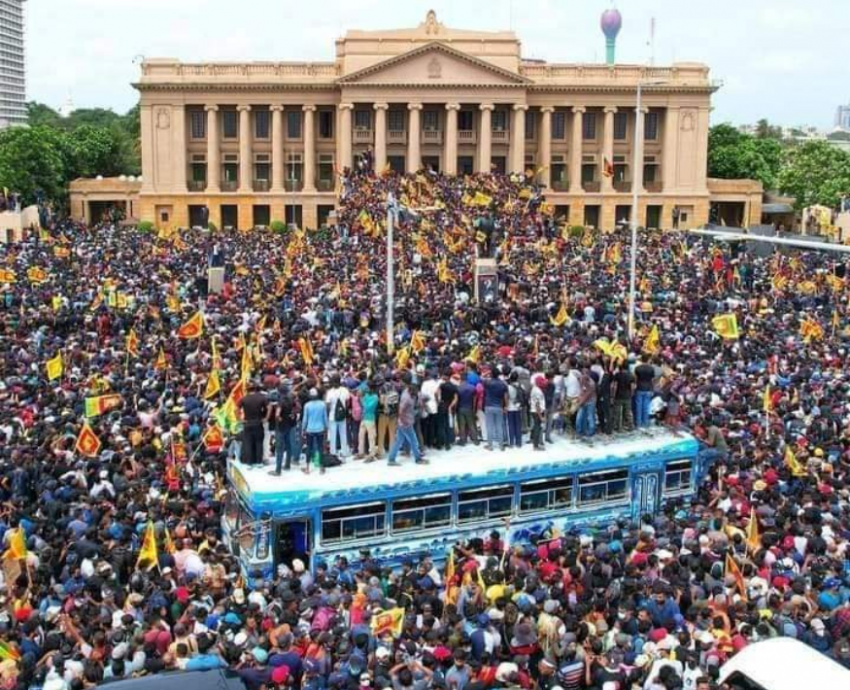
Sri Lanka (2022): Severe foreign exchange shortages, sovereign debt defaults, and hyperinflation triggered widespread peaceful occupations in Colombo, leading to the resignation of top government leadership and structural reforms overseen by the International Monetary Fund (IMF).
Bangladesh (2024): Student-led protests originating at Dhaka University over public service quota allocations expanded into a national civic campaign, resulting in interim governance structures focused on constitutional and electoral reforms.
India: Youth civic engagement has manifested through digital advocacy, policy consultations, and high voter turnout among first-time electors during national and state elections, shaping manifestos around employment, education, and digital infrastructure.
Official reports from regional think tanks highlight that decentralized social media networks have enabled rapid grass-roots coordination, allowing youth campaigns to organize without traditional party hierarchies.
Institutional Responses and Governance Shifts
In response to youth-led advocacy, South Asian governments and multilateral organizations have initiated policy shifts aimed at integrating youth perspectives into legislative and administrative processes.
Regulatory filings and official communiqués demonstrate a growing trend toward institutionalizing youth engagement:
Policy Consultations: Legislative bodies in the region have expanded public parliamentary committee hearings to include student leaders, academic representatives, and youth union delegations.
Employment and Skill Reforms: Government ministries, including India's Ministry of Skill Development and Entrepreneurship, have increased funding for technical training and startup incubators to address structural unemployment.
Transparency Protocols: Public administration departments across South Asian capitals have adopted digital government portals to reduce recruitment corruption and improve examination transparency.
Impact on Citizens, Businesses, and Investors
The rise of youth civic power in South Asia carries significant implications for regional markets, civic institutions, and foreign investment strategies.
For citizens, youth advocacy has established greater public scrutiny of government spending and anti-corruption measures. For businesses and international investors, political transitions driven by youth movements highlight the necessity of ESG (Environmental, Social, and Governance) compliance, workforce development, and transparent regulatory engagement. Economists note that while short-term political transitions can introduce policy uncertainty, long-term institutional reforms driven by youth demands tend to strengthen sovereign credit risk profiles and economic competitiveness.
Official Sources Section
Information compiled in this report is sourced from official publications, government releases, and reports from international organizations:
Quote Section
Addressing the role of youth in public policy formulation during a regional governance forum, official representatives noted:
"According to officials, integrating youth leaders into structured policy dialogues is critical for maintaining socio-economic stability and ensuring long-term democratic resilience across South Asia."
Why It Matters
The lessons drawn from youth movements in India, Bangladesh, and Sri Lanka demonstrate that civic stability in South Asia depends on political inclusion, economic opportunity, and administrative transparency. For regional policymakers, business leaders, and global diplomatic partners, adapting to the rising influence of South Asian youth is essential for fostering sustained economic growth and institutional governance across the region.
Key Facts at a Glance
Demographic Weight: Over 45 percent of South Asia's total population is under 25 years old.
Core Drivers: Youth movements are primarily sparked by graduate unemployment, economic inflation, and governance concerns.
Regional Examples: Notable movements include Sri Lanka's 2022 Aragalaya, Bangladesh's 2024 student reform campaign, and Indian civic electoral participation.
Policy Adaptation: Regional governments are expanding youth skill development initiatives and transparent recruitment systems.
Economic Outlook: Long-term institutional reforms advocated by youth leaders help improve governance transparency and investor confidence.
Frequently Asked Questions (FAQ)
What common factors drive youth movements in India, Bangladesh, and Sri Lanka?
Key drivers include high graduate unemployment, inflation, public sector job competition, and demands for greater institutional transparency and anti-corruption measures.
How have governments in South Asia responded to youth protests?
Governments have responded through a combination of electoral and administrative reforms, expanded technical skill development programs, and greater inclusion of youth representatives in policy discussions.
What role does technology play when youth rise in South Asia?
Digital platforms and social media enable rapid grass-roots communication, decentralized organizing, and real-time dissemination of policy demands across urban and rural populations.
How do youth movements impact foreign investment and economic growth?
While short-term political shifts can cause temporary market adjustments, successful youth-driven governance reforms lead to greater institutional transparency, reduced systemic risk, and stronger long-term economic stability.
Source: United Nations Development Programme (UNDP), International Monetary Fund (IMF), Ministry of Skill Development and Entrepreneurship, and Ministry of External Affairs, India.