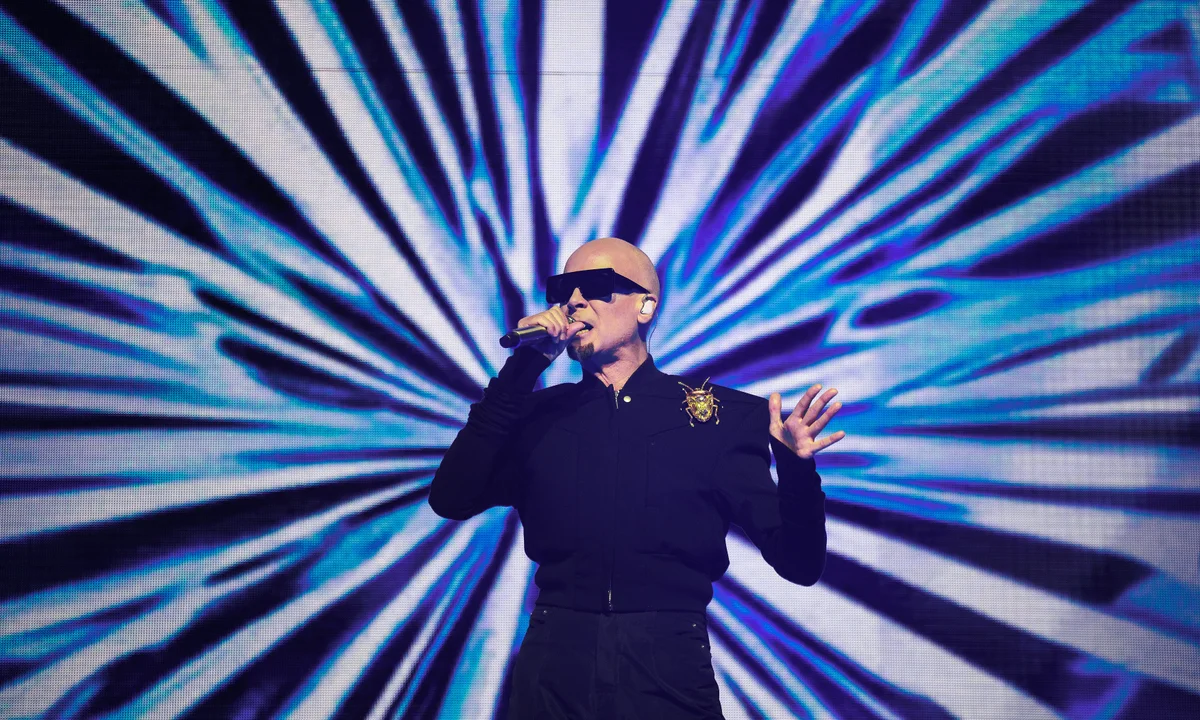
The Human League lead singer Philip Oakey reflected on the band's role as cultural ambassadors preserving 1980s synth-pop heritage. Having sold over 20 million records globally, the Sheffield-formed group continues to draw large international tour audiences, demonstrating the lasting commercial and artistic vitality of foundational electronic music.
SHEFFIELD, UK — Philip Oakey, the lead vocalist and co-founder of synth-pop pioneers The Human League, has described the long-running electronic outfit as historical representatives of a transformative cultural era. Speaking in connection with recent live performance schedules and international retrospective retrospectives, The Human League singer stated that the group functions as "ambassadors for a different time," bridging four decades of electronic pop heritage with modern global audiences. The development highlights the enduring commercial and artistic relevance of new wave synth music as legacy acts navigate evolving global touring markets.
The Legacy of Synth-Pop Pioneers
Formed in Sheffield, South Yorkshire, in 1977, The Human League played a central role in establishing electronic music within mainstream popular culture. The band achieved multi-platinum global success with their landmark 1981 studio album Dare, which yielded chart-topping international singles including "Don't You Want Me", "Love Action (I Believe in Love)", and "Open Your Heart".
As lead vocalist, The Human League singer Philip Oakey helped define the visual and sonic aesthetic of the early MTV era alongside long-time vocalists Joanne Catherall and Susan Ann Sulley. Across a career spanning nearly 50 years, the group has amassed over 20 million record sales worldwide, maintaining an active international touring roster that draws cross-generational audiences.
Preserving 1980s Electronic Heritage
Unlike many contemporary electronic acts that rely heavily on automated backing tracks, The Human League singer and his bandmates maintain an emphasis on physical synthesizer setups and live vocal execution. According to performance coordinators and tour management statements, maintaining vintage electronic timbres while integrating current sound reinforcement technology requires ongoing technical adaptation.
Industry analysts note that post-punk and new wave electronic catalog listening has expanded significantly across streaming platforms, introducing 1980s synthesizer tracks to younger demographic brackets. Live tour production data shows elevated demand for authentic legacy acts who established the fundamentals of digital and analog pop composition.
Economic and Cultural Impact on Live Music
The continued touring presence of legacy synth-pop acts delivers substantial economic value to local hospitality, arena venue operations, and international concert promoters.
Concert Tourism: Retrospective arena tours consistently drive regional travel, hotel occupancy, and local entertainment spending.
Catalog Streaming: Live tour cycles correlate directly with increased streaming activity and physical vinyl re-issuances for historical back catalogs.
Cross-Generational Appeal: Festival bookings demonstrate growing attendance from younger concertgoers seeking foundational synth-pop experiences.
Official Sources Section
Statements regarding group history, touring operations, and discography achievements are documented in public filings, industry press releases, and official archives:
Band Representative Press Releases: The Human League Management and Live Nation Entertainment.
Industry Archives: The British Phonographic Industry (BPI) and Recording Industry Association of America (RIAA) historical certifications.
Official Band History Records: British Broadcasting Corporation (BBC) Music Performance Archives.
Quote Section
Reflecting on the group's ongoing role in the modern live music ecosystem, The Human League singer Philip Oakey outlined the band's perspective on their long-standing career:
"We are ambassadors for a different time. We represent an era when electronic music was entering uncharted territory, and our goal on stage today is to deliver those original songs with the same energy and authenticity that defined them originally."
According to concert organizers and venue operators, ticket demand across recent arena dates confirms that audiences continue to seek out primary sources of the early 1980s synth revolution.
Why It Matters
For music consumers and concertgoers, the continued active presence of The Human League singer Philip Oakey and the group guarantees authentic access to landmark electronic pop compositions. For the broader music industry, the success of long-running synth-pop tours demonstrates the durability of legacy music intellectual property in driving live event revenue, merchandise sales, and catalog streaming monetization across global markets.
Key Facts at a Glance
Founding Year & Origin: Formed in Sheffield, UK, in 1977.
Global Sales: Over 20 million records sold worldwide across a five-decade career.
Major Hits: "Don't You Want Me" (#1 UK and US), "Human", "Mirror Man", and "(Keep Feeling) Fascination".
Core Lineup: Philip Oakey (lead vocals), Joanne Catherall (vocals), and Susan Ann Sulley (vocals).
Industry Accolades: BRIT Award winner for Best British Breakthrough Act (1982) and Q Award for Innovation in Sound.
Frequently Asked Questions (FAQ)
Who is the lead singer of The Human League?
Philip Oakey is the co-founder and lead vocalist of The Human League, serving as the band's primary frontperson since its inception in 1977.
Is The Human League still actively touring?
Yes, The Human League continues to perform live at major venues, international music festivals, and headlining arena tours across Europe, North America, and Australia.
What is The Human League's biggest commercial success?
The group's 1981 album Dare and its signature single "Don't You Want Me" reached number one in both the United Kingdom and the United States, selling millions of copies globally.
Who are the current members of The Human League?
The band's permanent recording and touring trio consists of lead singer Philip Oakey alongside vocalists Joanne Catherall and Susan Ann Sulley.
Source: Official statements from The Human League Official Desk, tour announcements via Live Nation Entertainment, performance listings on BBC Music Archives, and historical catalog certifications from the British Phonographic Industry.