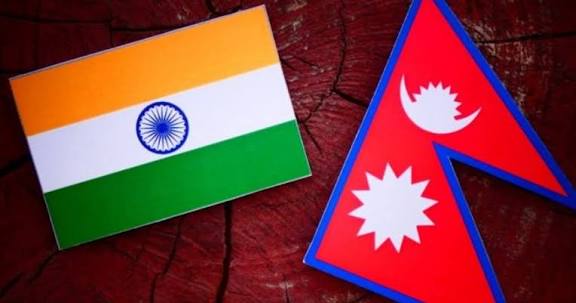
Nepal has requested India recognize its biometric National Identity card as a valid travel document to replace older identification forms. The proposal, aimed at leveraging biometric security for smoother cross-border travel, is currently under review by the Indian government following positive preliminary discussions between immigration officials.
KATHMANDU — The Government of Nepal has officially requested the Indian government to recognize its biometric National Identity (NID) card as an approved document for travel between the two nations. This diplomatic proposal, aimed at modernizing and streamlining travel procedures, is currently under consideration by authorities in New Delhi, according to officials from Nepal’s Department of Immigration (DoI).
The request, routed through the Ministry of Foreign Affairs, seeks to add the NID card to the existing list of recognized travel documents, which currently includes passports and citizenship certificates for Nepali nationals traveling to India. Immigration officials confirmed that representatives from the Indian Embassy in Kathmandu have reviewed the proposal and expressed a positive initial response, with the matter now escalated for further review in the Indian capital.
Modernizing Border Management
The push for NID card recognition aligns with Nepal’s internal transition toward a more digitized administrative framework. As the government progressively mandates the NID card for essential public services—including banking, land registration, and passport issuance—officials intend for the card to eventually replace the traditional citizenship certificate.
"In the long run, we will have a single identity card replacing the citizenship certificate," said Ram Chandra Tiwari, Director General at the Department of Immigration. "It is verified, authentic, and technology-friendly. That is why we have requested India to allow the use of the National Identity Card while traveling by both air and land routes."
The NID card is equipped with advanced biometric security features, including fingerprints, facial images, and iris scans. To date, more than 4.5 million Nepali citizens have received their cards, while approximately 20 million applications have been processed, reflecting a nationwide shift toward this digitized identification system.
Bilateral Cooperation and Security
Beyond the immediate convenience for travelers, the proposal is part of ongoing bilateral dialogues aimed at regulating cross-border movement more systematically. Home Ministry officials have noted that both nations are discussing mechanisms to better maintain records of travelers at land and air entry points.
While the open border between India and Nepal has traditionally allowed for free movement, security experts and policymakers are increasingly exploring ways to balance accessibility with modern surveillance. Proponents of the biometric NID suggest that its integration into travel protocols could provide a "smarter" border management solution, utilizing technology to verify identities while maintaining the ease of travel for legitimate citizens.
Official Sources
This report is based on information from the Department of Immigration (DoI), Nepal, and diplomatic discussions involving the Indian Embassy in Kathmandu. The proposal was formally forwarded through the Ministry of Foreign Affairs and is currently awaiting a final decision from the Government of India.
Why It Matters
For thousands of Nepali citizens who travel to India daily for work, medical care, or tourism, the recognition of the NID card would eliminate the necessity of carrying a passport or paper-based citizenship certificate. If approved, the measure would significantly reduce documentation hurdles, particularly for those in the process of transitioning to the newer digital identification system.
Key Facts at a Glance
Proposal Status: Formally submitted to the Government of India; under review.
Document Features: The NID card includes biometric data such as iris scans, facial images, and fingerprints.
Current Requirements: Nepali travelers currently rely on passports or citizenship certificates for air and land travel to India.
Scale: Over 4.5 million NID cards have been issued, with roughly 20 million applications in progress.
FAQ
How will the NID card facilitate travel?
If approved, it will serve as a third official travel document alongside passports and citizenship certificates, streamlining identity verification at checkpoints.
Is there a timeline for India's response?
The proposal is currently being reviewed in New Delhi; officials have not provided a specific timeline for a formal decision.
Will this change visa requirements?
No. Citizens of Nepal and India do not require visas to travel between the two countries; this request is strictly regarding the recognition of identification documents.
Source: The Kathmandu Post, ANI News, Kantipur Media