The BaZi Almanac is a traditional Chinese metaphysical tool that helps individuals select auspicious dates for significant life events. By analyzing birth data (Eight Characters) and elemental interactions, it offers guidance for timing activities like weddings and business launches, serving as a reflective planning aid rooted in centuries of cultural history.
HONG KONG — For centuries, practitioners of Chinese metaphysics have turned to a specialized guide to navigate the timing of life’s most significant moments. Known as the BaZi Almanac, this traditional system goes beyond the standard Gregorian calendar, offering a framework based on the Chinese lunar calendar and complex metaphysical principles to identify days deemed suitable or unsuitable for specific activities.
Unlike a general calendar, the BaZi Almanac is a highly specific tool used by consultants and individuals alike to plan major occasions. Whether it is scheduling a wedding, moving into a new home, signing a business contract, or launching a new project, the almanac is consulted to align human activity with the perceived energetic flow of the day.
The Foundation of BaZi
The term "BaZi" translates literally to "Eight Characters," referring to the eight Chinese characters that constitute an individual's birth chart. These characters are derived from the exact year, month, day, and hour of a person's birth. According to traditional belief, this chart functions as a "structural map" of the elemental forces—Wood, Fire, Earth, Metal, and Water—present at the moment of one's arrival, which continue to influence the trajectory of one’s life.
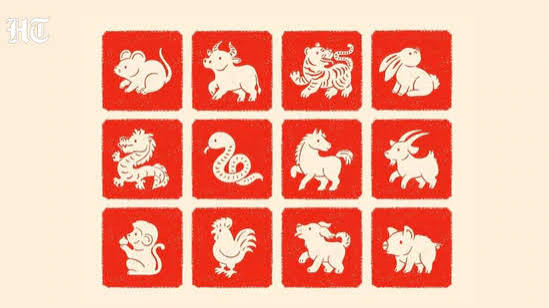
While many are familiar with the Chinese zodiac, which assigns an animal to each year, experts note that this provides only a partial view. A BaZi reading, and by extension the almanac’s guidance, considers the complete interaction of these Eight Characters, the Five Elements, and the concepts of Yin and Yang. This allows for personalized interpretations that vary even between individuals born in the same zodiac year.
Beyond the Calendar: How It Works
The BaZi Almanac is often utilized alongside the traditional Tong Shu—or "Book of Myriad Things"—which has served as a guide for farmers, fishermen, and families for generations. While the Tong Shu provides general auspicious and inauspicious dates, the BaZi Almanac refines this by integrating the user’s specific birth data.
"Practitioners use the almanac to suggest days that are traditionally considered favorable for travel, business ventures, or home renovations," explain experts in Chinese metaphysics. "By calculating the relationship between the day’s energy and the individual's birth chart, the system attempts to identify windows of time where circumstances might better support a specific endeavor."
Integration into Modern Life
In recent years, interest in Chinese metaphysics has seen a resurgence, largely driven by the popularity of Feng Shui and wellness content on social media. As a result, terms like BaZi, the Five Elements, and "lucky dates" have become increasingly prevalent in modern lifestyle discussions.
Despite this growing interest, it is important to distinguish the practice from predictive science. Practitioners emphasize that the BaZi Almanac is not a tool for fortune-telling or a guarantee of outcomes. Instead, followers view it as a diagnostic framework and a method for reflection, helping them organize their lives in accordance with traditional cultural practices.
Official Perspective and Context
The use of such almanacs remains deeply embedded in Chinese communities globally, used to determine both cultural festivals, such as the Lunar New Year, and personal milestones. While historical versions were once sanctioned by the Qing Dynasty government to aid agricultural planning, modern iterations have adapted to include contemporary needs like business start-ups and digital contract signings.
Key Facts at a Glance
Meaning: "BaZi" stands for "Eight Characters," representing the Four Pillars of Destiny: year, month, day, and hour.
Metaphysical Basis: It relies on the interaction of the Five Elements (Wood, Fire, Earth, Metal, Water) and Yin/Yang theory.
Usage: Consulted for major life events including weddings, property moves, and business launches.
Customization: Unlike zodiac-only predictions, BaZi analysis requires precise birth data to tailor guidance.
FAQ
What is the difference between the Chinese Zodiac and BaZi?
The Chinese Zodiac relies solely on the birth year, whereas BaZi uses the full birth data (year, month, day, and hour) to provide a comprehensive elemental analysis.
Is the BaZi Almanac scientifically validated?
No, its principles are based on traditional beliefs and metaphysical frameworks. It is widely considered a cultural tool for personal reflection and planning rather than a scientific instrument.
Can anyone use a BaZi Almanac?
Yes, while many consult professionals for deep analysis, basic versions are widely available and used as a common reference for daily planning in many Chinese households.
Source: Hindustan Times, Britannica, Imperial Harvest, Wanli Book