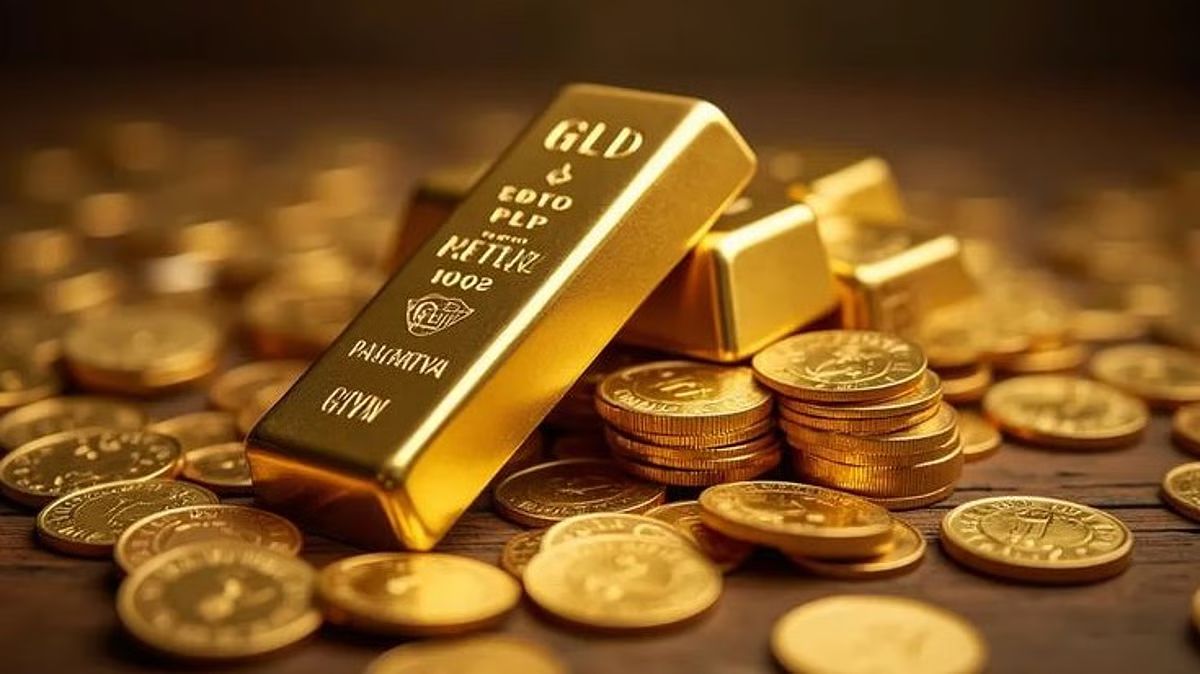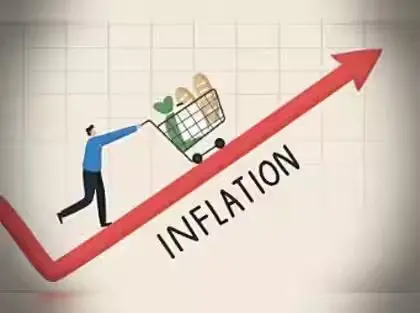
Gold and silver prices retreated globally on September 14, 2026, pressured by surging crude oil prices near $108 per barrel. Intensifying inflation fears and a looming U.S. Federal Reserve policy meeting pushed the 10-year Treasury yield past 5%, triggering a broad sell-off across precious metals and raising expectations of a potential rate hike.
Pressured by soaring energy costs and mounting speculation of a U.S. Federal Reserve interest rate hike, international gold and silver prices suffered sharp mid-September declines as global bond yields crossed critical multi-year thresholds.
Global precious metals markets faced intense downward pressure on Monday, September 14, 2026, as a dramatic rally in crude oil prices reignited global inflation anxiety. Spot gold and silver prices retreated significantly across major domestic and international commodity exchanges as Brent crude surged toward $108 per barrel amid escalating geopolitical tensions in West Asia. According to market analysts and commodity desks reporting on September 14, 2026, the energy shock sent shockwaves through sovereign debt markets, pushing the benchmark U.S. 10-year Treasury yield above the key 5% threshold for the first time since late 2023. With investors aggressively pricing in a potential interest rate hike by the U.S. Federal Reserve during its upcoming two-day policy meeting, non-yielding bullion assets lost short-term appeal.
Evaluating Commodity Sell-Offs, Energy Shocks, and Bond Yield Pressures
Analyzing the macroeconomic drivers behind the sharp pullback highlights the interconnected volatility between energy benchmarks, central bank policy expectations, and investor capital allocation. According to financial market updates and commodity exchange filings from September 2026, core factors shaping the current trading environment include:
Crude Oil Surge and Supply Strains: Brent crude climbed toward $108 a barrel following heightened supply disruptions and tanker security concerns, immediately stoking fears of sticky global inflation.
Bond Market Reaction: The U.S. 10-year Treasury yield climbed past 5%, reflecting aggressive repositioning among institutional investors anticipating tighter monetary policy.
Precious Metals Retreat: Spot gold and silver witnessed broad-based profit-booking and long liquidation as higher bond yields raised the opportunity cost of holding non-yielding bullion.
Federal Reserve Expectations: Markets are factoring in an increased probability that the U.S. central bank will signal further monetary tightening or implement a 25-basis-point rate hike to curb oil-driven price pressures.
Why It Matters
The practical implications of tumbling gold and silver prices combined with surging oil costs directly impact domestic consumer inflation expectations, import bills, and retail investment flows. For retail investors and jewelry buyers, shifting commodity values offer a temporary price correction, though broader macroeconomic tightening could increase borrowing costs globally. For equity and currency markets, sustained high crude prices test the resilience of emerging market currencies and corporate profit margins.
Key Facts at a Glance
Market Event: Sharp retreat in international and domestic gold and silver prices on September 14, 2026.
Catalyst: Crude oil futures surging near $108 per barrel amid geopolitical supply anxieties.
Bond Milestone: U.S. 10-year Treasury yield breached the 5% mark ahead of the Federal Reserve policy decision.
Policy Outlook: Markets pricing in heightened probability of monetary tightening to combat oil-led inflation.
FAQ Section
Why did gold and silver prices drop sharply?
Precious metal prices fell due to a combination of surging crude oil prices, rising bond yields, and growing market expectations of a U.S. Federal Reserve interest rate hike.
How have crude oil prices impacted global financial markets?
Brent crude spiked toward $108 per barrel, reviving worldwide inflation concerns and driving up sovereign bond yields.
What is the current status of U.S. Treasury yields?
The benchmark U.S. 10-year Treasury yield climbed above 5% for the first time since October 2023, reflecting heightened caution ahead of the central bank's policy announcement.
How do rising interest rates affect gold and silver?
Higher interest rates increase the opportunity cost of holding non-yielding bullion assets, typically triggering capital outflows from precious metals into fixed-income securities.
Where can investors track real-time commodity prices and market updates?
Live price trackers, expert columns, and financial disclosures are accessible via The Economic Times Commodities Portal and Bloomberg Markets.
Source: The Economic Times, U.S. Department of the Treasury, Reuters