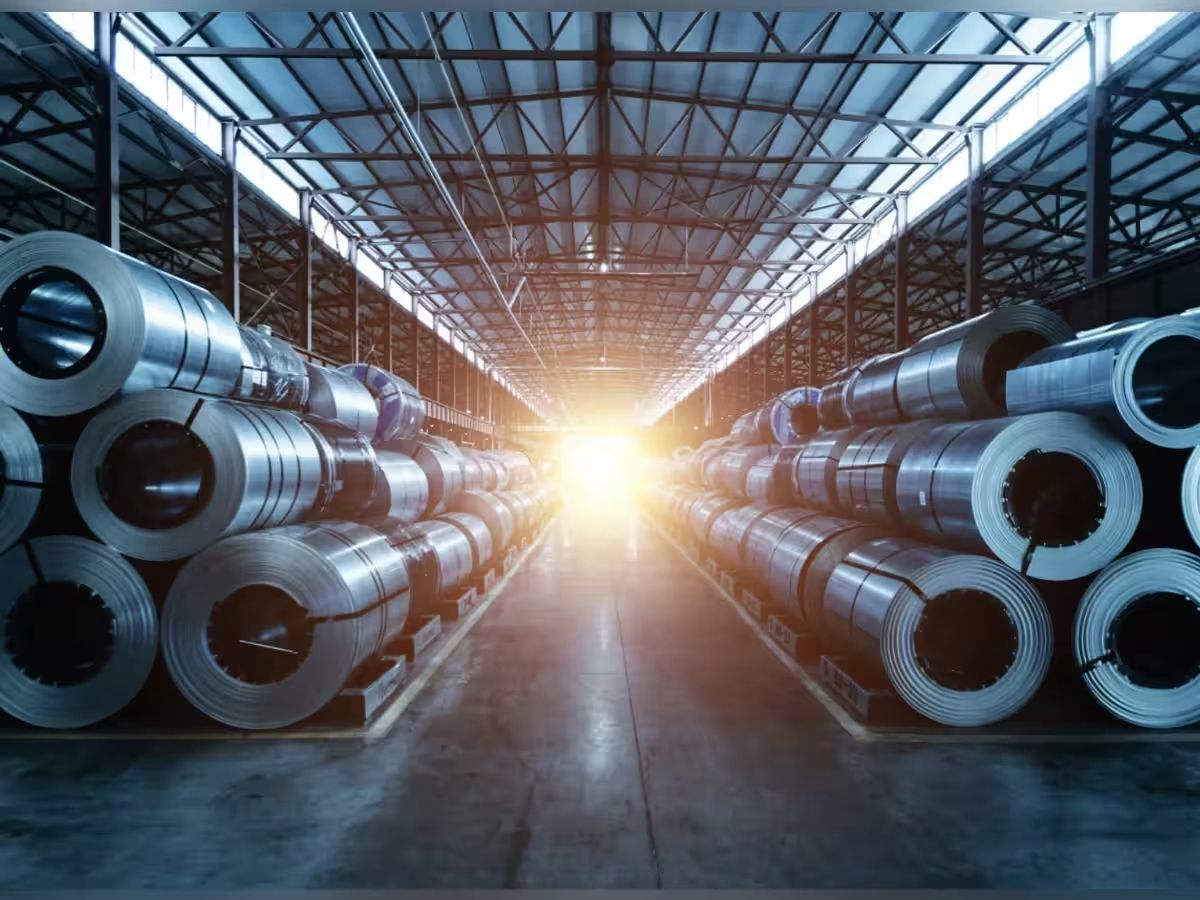
India secured an expanded quota to export up to 1.64 million metric tons of steel annually to the European Union under a new free trade agreement. However, domestic exporters must still navigate stringent carbon border taxes, balancing broader market access against new environmental compliance costs.
Securing higher export limits under a landmark trade agreement, Indian steel manufacturers gained permission to ship up to 1.64 million metric tons annually to the European Union, though exporters continue to face strict carbon adjustment levies.
Marking a significant development in bilateral commerce, India and the European Union finalized critical trade provisions granting domestic metal producers wider entry into European markets. Announced through official trade disclosures on Monday, September 14, 2026, the updated framework establishes a guaranteed country-specific quota allowing Indian mills to dispatch up to 1.64 million metric tons of steel a year. While the agreement opens vital commercial pathways for industrial producers seeking diversified international demand, the legal text of the pact confirms that shipments remain subject to the EU's aggressive carbon border adjustment mechanisms.
Evaluating Export Quotas, Carbon Levies, and Trade Pact Realities
Analyzing the structural impact of the trade arrangement reveals a complex trade-off between expanded volume allowances and stringent environmental compliance mandates. According to official regulatory filings and trade ministry summaries released in September 2026, core dimensions of the pact include:
Expanded Volume Thresholds: The guaranteed country-specific quota lifts annual export caps to 1.64 million metric tons, providing major domestic steel mills predictable access across European industrial hubs.
The Carbon Levy Hurdle: Despite higher volume caps, exporters remain fully exposed to the EU’s carbon border taxes, requiring heavy investments in green production technologies to maintain pricing competitiveness.
Manufacturing and Supply Chain Adaptation: Indian steel producers are accelerating decarbonization efforts, shifting toward renewable energy integration to reduce emission intensities per ton of output.
Impact on Domestic Investors: Market analysts note that while top-tier mills with modern green furnaces benefit from the expanded quota, smaller secondary producers may face margin pressures meeting compliance metrics.
Why It Matters
The practical implications of the trade agreement redefine how Indian heavy industries compete in highly regulated Western markets. For major steel producers, the larger quota guarantees substantial export revenue potential. For consumers and domestic industrial buyers, the global push toward carbon compliance accelerates green technology adoption across local supply chains, altering long-term production economics.
Key Facts at a Glance
New Export Quota: Up to 1.64 million metric tons of steel annually to the EU.
Regulatory Challenge: Shipments remain subject to the EU's carbon border levy mechanisms.
Agreement Framework: Established under the latest bilateral free trade pact negotiations.
Strategic Focus: Encouraging domestic mills to accelerate carbon-neutral manufacturing practices.
FAQ Section
What are the main terms of the new steel trade arrangement with the EU?
India can export up to 1.64 million metric tons of steel annually to the European Union under a guaranteed country-specific quota.
Do Indian steel exporters still have to pay carbon taxes in Europe?
Yes, the legal text of the pact confirms that Indian steel shipments remain subject to the EU's carbon border adjustment levies.
Which domestic industries are most affected by this trade update?
Primary steel manufacturing firms and secondary metal exporters targeting European automotive and construction sectors feel the direct impact.
How are Indian steelmakers responding to carbon levy requirements?
Producers are investing in green technology, shifting toward renewable energy, and reducing carbon intensity to preserve export margins.
Where can stakeholders read the official legal text and trade announcements?
Complete documentation and trade statistics are accessible via the Ministry of Commerce and Industry Portal and The Economic Times Industrial Desk.
Source: Ministry of Commerce and Industry, Government of India, The Economic Times, The Hindu