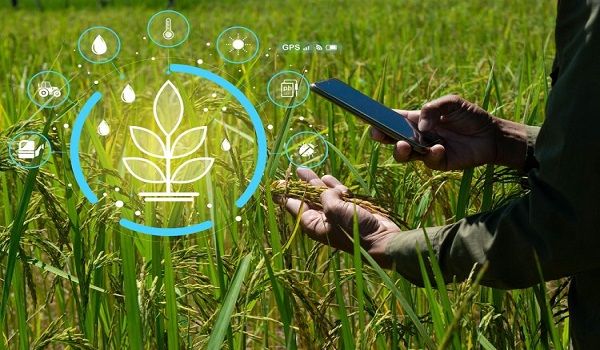
The Indian government is expanding its digital fertilizer tracking architecture to improve supply chain transparency and subsidy targeting. According to the Ministry of Chemicals and Fertilizers, the Integrated Fertilizer Management System (iFMS) now oversees over 14 crore Aadhaar-linked buyers, streamlining a ₹2 lakh crore annual subsidy ecosystem.
Backed by official ministry releases, India's digital fertilizer infrastructure has entered a new phase of data-driven tracking to optimize supply chains and subsidy distribution.
Strengthening accountability across the agricultural sector, the central government has expanded its technology-driven oversight of subsidized farm inputs. According to official announcements released by the Ministry of Chemicals and Fertilizers on August 30, 2026, the Integrated Fertilizer Management System (iFMS)—developed alongside the National Informatics Centre (NIC)—now spans a nationwide digital footprint covering more than 14 crore Aadhaar-linked farmers and 2.5 lakh retail outlets.
The expanded digital framework addresses long-standing distribution inefficiencies by tracking fertilizer inventories, imports, domestic dispatches, and retail transactions in real time. By integrating transactional point-of-sale (PoS) data with state land records and AgriStack databases, authorities aim to curb black-marketing, prevent hoarding, and direct approximately ₹2 trillion in annual fertilizer subsidies precisely where needed.
Integration of AgriStack and Real-Time Logistics Tracking
The newly introduced initiatives incorporate advanced analytics and vehicle tracking mechanisms to provide end-to-end supply chain visibility. According to departmental disclosures, core operational upgrades include:
Framework for Fertilizer Sale (FFS): Allows verified farmers to book fertilizer requirements via mobile applications linked to AgriStack identities, generating QR-based authorizations for retail pickup.
Vehicle Location Tracking System (VLTS): Monitors commercial transit vehicles in real time, matching dispatch data with goods-in-transit metrics to prevent supply diversions.
Electronic Subsidy Processing: Integrates subsidy claims directly with Public Financial Management Systems (PFMS) to reduce manual intervention and enhance auditability.
Granular Analytical Dashboards: Empowers administrators to track stock movements and consumption anomalies across national, state, district, and retail tiers.
Why It Matters
The practical implications of digitizing the fertilizer supply chain affect millions of farming households and taxpayers alike. For farmers, transparent booking frameworks ensure timely access to genuine products at controlled prices without falling prey to localized artificial shortages. For fiscal planners, plugging distribution leakages across a ₹2 lakh crore subsidy ecosystem ensures that state support reinforces agricultural productivity efficiently.
Key Facts at a Glance
Primary Platform: Integrated Fertilizer Management System (iFMS), supported by the National Informatics Centre (NIC).
User Reach: Covers over 14 crore Aadhaar-linked buyers and 2.5 lakh registered retailers.
Annual Throughput: Manages approximately 7 crore metric tonnes of sales transactions annually.
Financial Scale: Underpins the administration of nearly ₹2 lakh crore in annual government fertilizer subsidies.
FAQ Section
What is the Integrated Fertilizer Management System (iFMS)?
The iFMS is India's digital backbone for monitoring the entire fertilizer supply chain—from manufacturing and imports to retail sales and subsidy disbursement.
How does the new mobile booking framework work for farmers?
Farmers can use AgriStack-verified identities via mobile applications to pre-book required fertilizers, generating a QR code that validates purchases at local retail PoS terminals.
Why is vehicle tracking being integrated into fertilizer distribution?
The Vehicle Location Tracking System (VLTS) monitors transport trucks in transit, preventing illegal diversions and ensuring stocks reach their designated destinations.
Where can stakeholders monitor official agricultural policy updates?
Official administrative circulars, press releases, and system analytics are published directly on the Ministry of Chemicals and Fertilizers Portal and the Press Information Bureau (PIB).
Source: Press Information Bureau (PIB), News On AIR, The Hans India, LiveMint