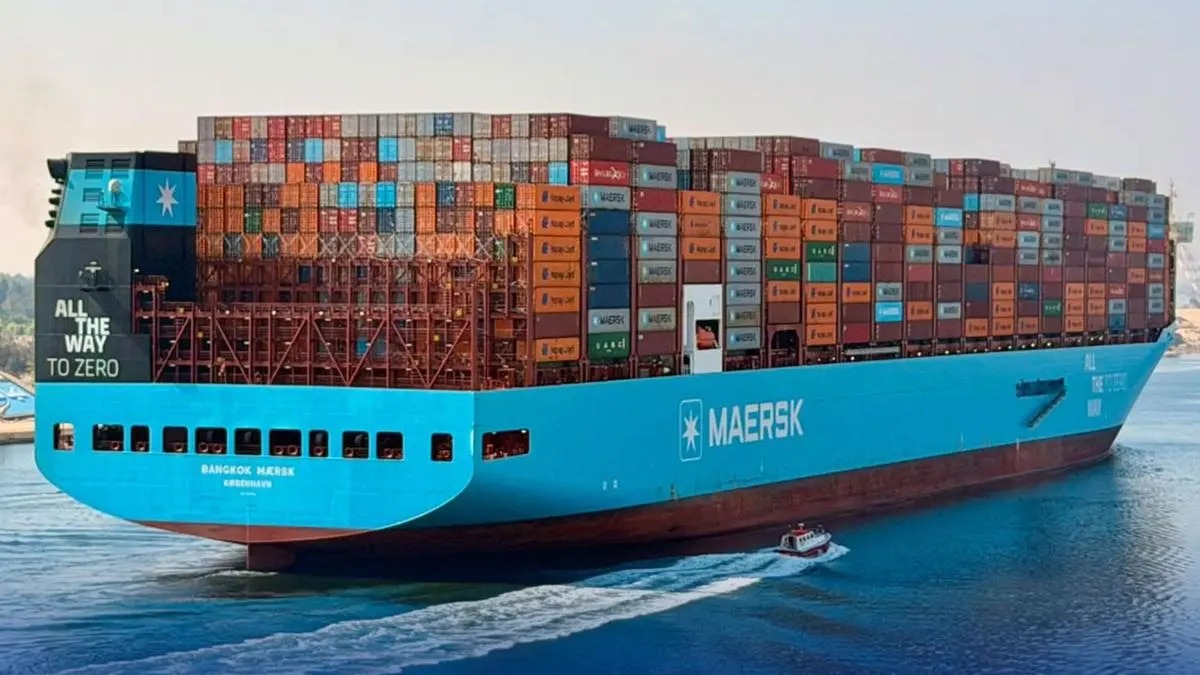
The phased return of mega container ships to the Suez Canal offers significant relief to Indian exporters by slashing transit times by up to two weeks and reducing freight costs. Major carriers resuming select Red Sea services help stabilize supply chains and ease vessel congestion at key Indian ports.
The gradual return of mega container ships to the Suez Canal brings renewed optimism for Indian exporters facing high freight costs and shipping delays.
NEW DELHI — As global shipping lines progressively restore transits through the Red Sea and the Suez Canal corridor in mid-2026, the development has emerged as a major economic relief for Indian exporters. Following nearly two years of costly and extended voyages around Africa’s Cape of Good Hope due to regional security challenges, major carriers like CMA CGM and Maersk have begun routing select key services back through the vital waterway. For Indian manufacturing and trade hubs connecting to Europe and North America, the resumption drastically trims transit durations, improves supply chain predictability, and alleviates severe container shortages.
Restoring Efficiency to India-West Trade Corridors
The disruption of the Suez route had previously forced vessels to take the longer southern detour around the Cape of Good Hope, adding weeks to transit schedules and sending freight rates soaring. With major lines like CMA CGM scheduling regular Suez transits for services such as the INDAMEX route—connecting Indian ports like Nhava Sheva and Mundra to the US East Coast—transit times are dropping significantly.
According to logistics data analysed by platforms like Xeneta, utilizing the Suez Canal instead of the African detour cuts full-loop sailing times by up to two weeks. This operational streamlining directly addresses cargo backlogs, equipment roll-overs, and vessel scarcity that have plagued western Indian ports over recent months.
Economic Impact on Exporters and Businesses
For Indian exporters shipping textiles, engineering goods, chemicals, and consumer products, the return of mega container ships translates into tangible financial relief. Extended shipping routes had driven up spot freight rates and locked up working capital in transit.
The reinstatement of shorter, more reliable rotations allows businesses to fulfill overseas orders faster, reduce inventory holding costs, and regain competitive pricing power in Western markets. Although shipping lines maintain a cautious approach amid ongoing security evaluations, the steady revival of the corridor promises a normalization of international freight dynamics.
Official Sources Section
Insights and updates regarding the phased reopening of the Red Sea route and schedule adjustments are drawn from official announcements by carrier CMA CGM, market intelligence reports from Xeneta, and trade logistics updates published via Portnews and Timescan Logistics.
"Organizers stated that the progressive resumption of maritime traffic through the Suez Canal is a welcome step toward stabilizing global supply chains, lowering transit overheads, and restoring predictable shipping schedules for regional exporters."
Why It Matters
The reactivation of the Suez trade lane is critical for maintaining India's export competitiveness. By compressing transit time and lowering fuel-driven freight surcharges, Indian businesses can better compete globally, protect profit margins, and ensure that perishable or time-sensitive shipments reach Western markets on schedule.
Key Facts at a Glance
Route Restored: Phased return of container ships through the Red Sea and Suez Canal.
Key Beneficiaries: Indian exporters utilizing major gateways like Nhava Sheva and Mundra connecting to Europe and the US East Coast.
Logistical Benefit: Shorter voyages reduce full-loop transit times by up to two weeks compared to the Cape of Good Hope detour.
Market Impact: Helps ease equipment shortages, cargo rollovers, and escalating freight rates.
FAQ Section
Why is the return of mega container ships to the Suez Canal important for India?
It shortens shipping routes to Europe and North America, reducing transit times by weeks and lowering transportation overheads for Indian exporters.
Which shipping lines are resuming Suez transits?
Major global carriers, including CMA CGM and Maersk, have started routing select services back through the Red Sea corridor.
How did the previous closure affect Indian trade?
Rerouting vessels around the Cape of Good Hope increased voyage times, burned more fuel, drove up freight rates, and created equipment shortages at Indian ports.
Where can I track updates on maritime routes and shipping schedules?
Carrier-specific schedule changes and logistics insights are regularly updated via Portnews and market analysis platforms like Xeneta.
Source: Portnews, Xeneta, Timescan Logistics.