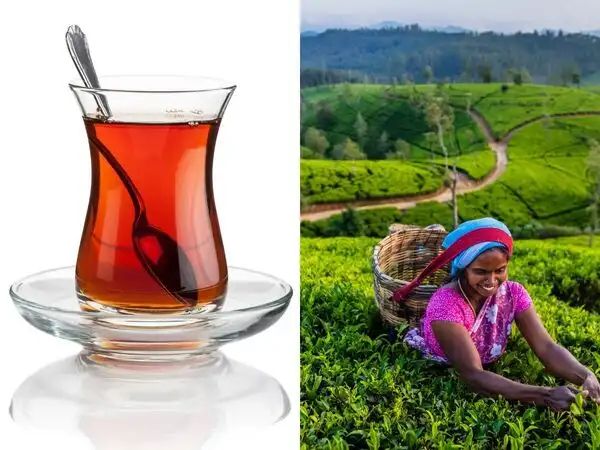
Analyzing global consumption trends, culinary reports highlight how Turkey’s massive milk-free tea culture offers vital lessons for India's domestic market. While India remains saturated with milky masala chai, experts suggest that expanding the appeal of pure black and orthodox tea could unlock new avenues for growth.
Drawing parallels from international beverage markets, food historians suggest that India's domestic tea industry could find its next major growth wave by embracing unmilked black tea.
As the domestic beverage sector navigates fluctuating auction rates and shifting consumer preferences, industry analysts are looking outward for structural inspiration. A comparative review published in September 2026 highlights the remarkable trajectory of Turkey, which transformed into the world's highest per capita tea consumer by championing strong, milk-free black tea. According to cultural food analyses featured in The Economic Times Panache, while India remains deeply devoted to milky, spiced masala chai, exploring unadulterated black tea could provide the domestic market with a much-needed strategic pivot.
Evaluating Global Consumption Models, Cultural Habits, and Market Growth
Analyzing the structural differences between Indian and Turkish tea habits reveals distinct paths of market development. According to historical findings and industry reports outlined in September 2026, key insights include:
The Turkish Model: Turkey built its massive tea culture in the 1920s under state-backed shifts, promoting strong, sweetened black tea drunk without milk from the Black Sea region.
The Indian Chai Foundation: India’s domestic consumption patterns were forged during World War I, when returning soldiers popularized the British-style strong brew adapted with local milk, sugar, and spices.
Global Precedents: Major tea-consuming populations—including China, Iran, and Morocco—traditionally consume their brews plain, maximizing appreciation for leaf origin and flavor profiles.
Domestic Niche Precedents: Regional Indian variations such as Bengal’s lebu chai, South India’s sulaimani, and Northeast smoked phalap demonstrate that black tea consumption already has deep cultural roots.
Why It Matters
The practical implications of diversifying domestic consumption patterns allow tea producers to tap into health-conscious demographics seeking lower dairy and sugar intake. For everyday consumers, embracing orthodox black tea offers an alternative way to experience regional flavors without relying exclusively on heavy milk preparations. For domestic growers facing fluctuating export demands, expanding local appreciation for pure black tea secures long-term market resilience.
Key Facts at a Glance
Per Capita Contrast: Turkey leads global per capita consumption at roughly 3.16 kilos annually, compared to India's relatively modest 0.33 kilos.
Historical Shift: Both nations developed mass domestic consumption largely during the early 20th century through distinct cultural and state interventions.
Regional Black Teas: Traditional examples like sulaimani and lebu chai show existing domestic familiarity with milk-free infusions.
Strategic Opportunity: Promoting orthodox black tea can alleviate surplus pressures on lower-grade crush-tear-orthodox (CTC) markets.
FAQ Section
What lessons does Turkey offer for the Indian tea market?
Turkey demonstrates how a nation can achieve massive per capita consumption by fostering a deep cultural preference for strong, milk-free black tea.
Why is milk-free black tea gaining fresh attention in India?
With changing consumer health preferences and surplus pressures on standard grades, exploring black tea variants offers new avenues for domestic market expansion.
Do Indians already drink black tea in any traditional forms?
Yes, regional preparations such as Bengal’s lebu chai, South Indian sulaimani, and northeastern smoked phalap are traditionally consumed without milk.
How does Indian tea consumption compare globally?
While India is among the largest overall consumers due to its massive population, its per capita consumption remains low at around 0.33 kg compared to countries like Turkey.
Where can readers find the full analysis on global tea trends?
Complete commentary and historical breakdowns are available via The Economic Times Panache.
Source: The Economic Times Panache