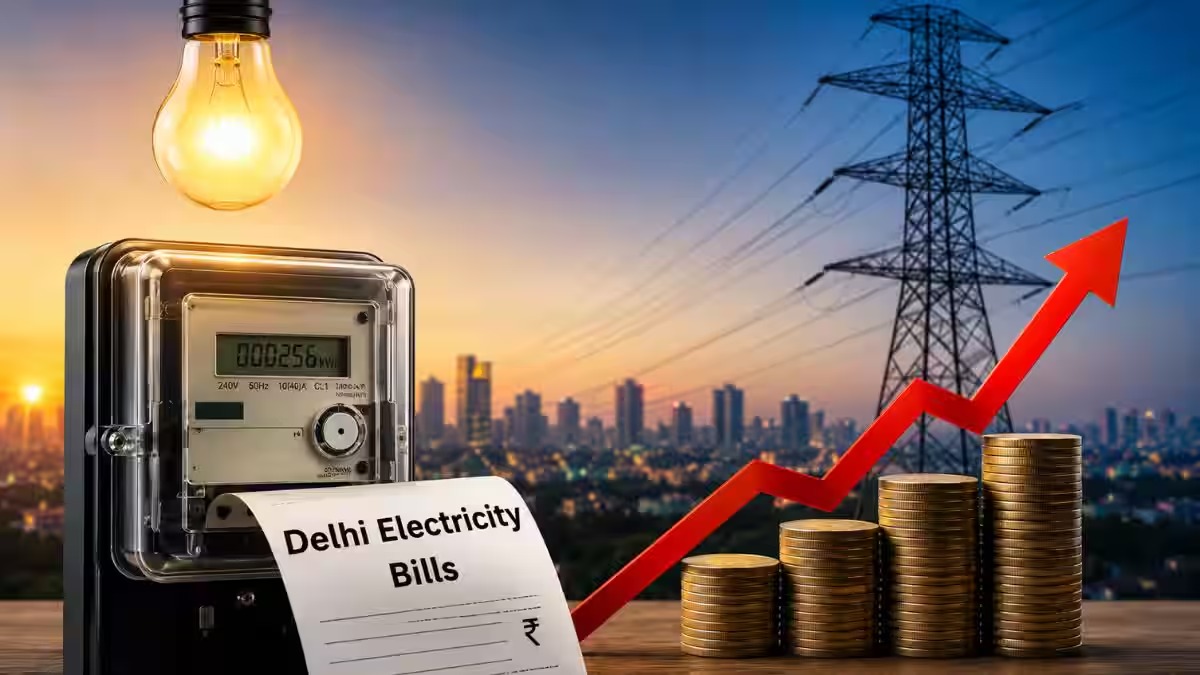
The Delhi Electricity Regulatory Commission has cleared a hike in the Fuel and Power Purchase Adjustment Surcharge, effective June 10, 2026. While subsidized households remain insulated, non-subsidized consumers and businesses will face higher power bills due to rising global fuel and procurement costs impacting distribution companies.
NEW DELHI – Electricity consumers in the national capital are set to face increased monthly power bills following a recent decision by the Delhi Electricity Regulatory Commission (DERC) to approve a higher Fuel and Power Purchase Adjustment Surcharge (FPPAS). The revised surcharge, which aims to help power distribution companies (discoms) recover the escalating costs of electricity procurement, took effect on June 10, 2026, with the impact expected to reflect in billing cycles starting in July.
The adjustment comes amid a sharp rise in global fuel prices, including coal and imported energy, which have significantly increased the cost of generating and purchasing power. According to DERC, the new mechanism shifts the FPPAS recovery from a quarterly to a monthly review, allowing utilities to adjust for cost fluctuations more rapidly.
Impact on Consumers and Subsidy Structure
While the surcharge hike has raised concerns among various segments, Delhi Power Minister Ashish Sood emphasized that the city’s extensive subsidy framework remains intact. Households benefiting from the Delhi government’s electricity subsidy—which provides full coverage for those consuming up to 200 units and a 50% discount for those consuming up to 400 units—will not see any changes to their bills.
"All consumers receiving Delhi government electricity subsidies will face absolutely no impact on their electricity bills due to this regulatory adjustment," Minister Sood stated. However, non-subsidized households and commercial consumers—particularly those with monthly usage exceeding 500 units—are expected to bear the brunt of the increased costs.
Revised Surcharge Rates by Discom
The DERC has approved varied surcharge increases for the three private distribution companies operating in the city:
BSES Rajdhani Power Limited (BRPL): The surcharge has been increased to 17.94%.
BSES Yamuna Power Limited (BYPL): The surcharge has been raised to 17.43%.
Tata Power Delhi Distribution Limited (TPDDL): The surcharge is now set at 16%.
Discoms had initially sought permission to recover significantly higher percentages, citing the gap between the base power purchase costs established in 2021 and current market rates. The regulator, however, capped the recovery at the approved levels to balance the financial viability of the utilities with the immediate burden on consumers.
Political Reaction and Economic Context
The decision has sparked debate within the political sphere. The Delhi Pradesh Congress Committee has publicly criticized the move, alleging that the hike places unnecessary financial pressure on residents already struggling with rising fuel and gas prices. Meanwhile, the Aam Aadmi Party (AAP) has characterized the increase as an "inflation blow," contrasting it with their previous policy of free electricity.
Government officials have countered these allegations by noting that the FPPAS mechanism is a standard statutory provision under India’s electricity laws. They maintain that the hike is a direct result of the West Asian geopolitical tensions, which have led to a 31% increase in power procurement costs over the past month.
Quote Section
"According to officials, the surcharge is a statutory recovery mechanism necessitated by global energy market uncertainties. Minister Ashish Sood stated, 'PPAC is not a new arrangement. The electricity laws of the country already permit power companies to adjust for the rising cost of fuel used to generate electricity.'"
Why It Matters
For businesses and high-consumption households, the surcharge adjustment represents a notable uptick in monthly operational and living expenses. As trade bodies have warned, the resulting rise in commercial electricity rates may place Delhi at a competitive disadvantage compared to neighboring states like Haryana and Uttar Pradesh. For domestic users, the hike underscores the critical role of the state subsidy in insulating middle- and lower-income families from global energy price volatility.
Key Facts at a Glance
Effective Date: Revised surcharges were implemented on June 10, 2026.
Mechanism Shift: Move from quarterly to monthly review and recovery of power purchase costs.
Subsidy Protection: Consumers receiving full or partial subsidies are fully insulated from the surcharge increase.
Trigger: Rising coal prices, import costs, and geopolitical instability in West Asia.
FAQ
Who will be most affected by the electricity bill hike?
The hike primarily affects commercial/industrial users and domestic consumers who do not receive any electricity subsidies (typically those consuming over 400 units).
Are subsidized consumers impacted?
No, those receiving the Delhi government’s electricity subsidy for consumption up to 400 units remain fully protected from this surcharge revision.
Why is the surcharge increasing?
The hike is intended to help discoms recover the 31% increase in power procurement costs caused by rising coal and fuel prices globally.
Will the surcharge be reviewed again?
Yes, under the new order, the DERC will conduct monthly reviews of the FPPAS to determine if further adjustments are required.
Source: DERC, Ministry of Power, Hindustan Times, Mint