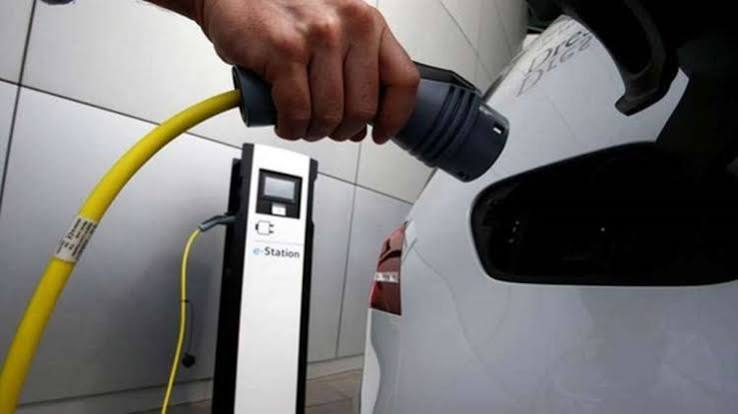
Delhi’s new EV Policy 2026 mandates that electric vehicle buyers must self-apply for subsidies via a new portal within 30 days of RC issuance. The policy, effective July 1, offers tiered incentives for two-wheelers, three-wheelers, and e-trucks, while excluding hybrids to promote pure electric vehicle adoption across the capital.
NEW DELHI — The Delhi government has overhauled its electric vehicle (EV) incentive framework, shifting the responsibility of subsidy applications directly onto vehicle owners. Under the newly enacted Delhi EV Policy 2026, which took effect on July 1, 2026, buyers are now required to submit their claims for financial incentives within 30 days of the generation of their vehicle’s Registration Certificate (RC).
This change marks a significant departure from the previous policy, where vehicle dealerships were responsible for facilitating subsidy applications at the time of purchase. According to the Delhi Transport Department, the new, centralized system is designed to streamline the disbursal process, ensure transparency, and eliminate the delays that hampered previous subsidy schemes.
Shift to a Direct Application Model
The Delhi Cabinet approved this policy as part of a broader ₹15,000 crore roadmap aimed at curbing vehicular pollution and positioning the national capital as a hub for electric mobility. To facilitate the new process, the government is currently developing a specialized, Aadhaar-linked EV portal.
"The portal will serve as the nodal platform for implementing the policy, processing subsidy applications, and monitoring the implementation," a senior government official stated.
Under the new system, once a vehicle is registered and the RC is generated, the onus lies with the owner to register on the upcoming portal and submit their claim. Once verified, the subsidy will be disbursed directly into the beneficiary's bank account through the Direct Benefit Transfer (DBT) system. The government anticipates that the Public Financial Management System (PFMS) will ensure faster processing compared to previous cycles, where thousands of claims remained pending after the expiration of the earlier policy in 2023.
Incentives and Policy Scope
The Delhi EV Policy 2026 excludes hybrid vehicles, focusing exclusively on "pure" electric vehicles to maximize environmental impact. Key provisions of the policy include:
Electric Two-Wheelers: A subsidy of up to ₹30,000 in the first year, ₹20,000 in the second year, and ₹10,000 in the third year.
Electric Three-Wheelers (E-Autos): Incentives of ₹50,000, ₹40,000, and ₹30,000 in the first, second, and third years, respectively.
Electric Cars: While there are no direct purchase subsidies, the policy offers a 100% exemption on road tax and registration fees for all pure electric four-wheelers with an ex-showroom price of ₹30 lakh or less.
Commercial Trucks: N1 category electric goods carriers are eligible for incentives of up to ₹1 lakh in the first year of the policy.
The policy also introduces a "three-year lock-in" period, prohibiting beneficiaries from transferring or re-registering their vehicles outside of Delhi during this timeframe.
Official Sources
According to official government announcements and notifications from the Delhi Transport Department:
The policy remains in effect until March 31, 2030.
Applications must be filed within 30 days of RC generation to remain eligible.
Subsidies will be disbursed within 60 days of successful application submission via the government portal.
Why It Matters: Implications for Consumers
The transition to a self-application model places a greater administrative burden on individual buyers. While the previous dealer-assisted model was more convenient, it was prone to documentation delays and coordination issues. By moving to a digital, owner-led process, the government intends to minimize third-party errors. However, buyers must now be vigilant regarding the 30-day deadline to avoid forfeiting their financial incentives.
Furthermore, the policy outlines a clear timeline for the phasing out of internal combustion engine vehicles, with only electric three-wheelers allowed for new registrations from January 1, 2027, and only electric two-wheelers from April 1, 2028.
Key Facts at a Glance
Application Deadline: Claims must be submitted within 30 days of RC generation.
Disbursal Timeline: Incentives are expected to be processed within 60 days of application submission.
Exclusion: Hybrid vehicles are strictly ineligible for subsidies under the new policy.
Registration Mandates: Delhi will shift to an "EV-only" registration model for three-wheelers starting 2027 and two-wheelers starting 2028.
Direct Benefit Transfer: All funds will be sent directly to the beneficiary's Aadhaar-linked bank account.
Frequently Asked Questions (FAQ)
Can I still ask my dealer to apply for the subsidy?
No. Under the Delhi EV Policy 2026, the process is owner-driven. Dealers are only required to inform customers about eligible models and policy provisions at the time of booking.
What happens if I miss the 30-day window?
The policy mandates the 30-day limit for application submission. Failing to apply within this timeframe may result in the forfeiture of the incentive.
Are hybrid cars covered under the new EV policy?
No, the Delhi government has explicitly excluded hybrid vehicles, limiting benefits to pure battery-powered electric vehicles.
When will the online portal be available?
The government has indicated that the dedicated portal is currently under development and is expected to be live within the first week of July 2026.
Source: Delhi Transport Department, The Indian Express, The Economic Times, Times of India