Delhi Power Minister Ashish Sood has launched two key energy programs to modernize the capital's utility grid. The initiatives introduce space-saving, SCADA-monitored smart substations to Gandhi Nagar and roll out the "Solarise East" campaign, accelerating rooftop solar adoption under the state's ₹1,427 crore capital improvement plan.
NEW DELHI — Delhi Power Minister Ashish Sood formally inaugurated two primary energy programs on Sunday, July 19, 2026, aimed at updating the national capital’s utility grid and expanding localized renewable power generation. The dual-track development introduces a highly compressed smart substation architecture to East Delhi while deploying a community-centric solar energy framework across consumer districts.
The policy execution rolls out at a critical juncture for the city's utility network. Having successfully handled an all-time record peak power demand of 8,748 megawatts (MW) earlier in the summer without systemic distribution blackouts, the administration is shifting focus toward preventive modernization and space-saving engineering inside dense urban environments.
Smart Substation Infrastructure Deployed in Densely Populated Gandhi Nagar
The first pillar of the modernization drive is a new Smart Pad Mounted Substation located in the Gandhi Nagar commercial hub. Engineered explicitly for the structural limits of East Delhi, the modular facility occupies roughly 80% less physical space than standard conventional open-air electrical substations.
According to technical specifications released by the local electricity distribution company (DISCOM), BSES Yamuna Power Limited (BYPL), the pad-mounted layout encloses all live high-voltage components within a sealed, weather-resistant cabinet. This configuration drastically minimizes the risk of electrocution and thermal failures in tightly packed market sectors.
The installation is monitored via Supervisory Control and Data Acquisition (SCADA) telemetry. This digital integration enables control room operators to isolate faults instantly, reroute load pathways remotely, and reduce local down-times from hours to minutes.
"Solarise East" Campaign Targets Household Power Generation
Simultaneously, the administration launched the "Solarise East" campaign, a decentralized green energy platform designed to integrate consumer households directly into the regional transmission network. The program accelerates domestic onboarding for the central government's PM Surya Ghar: Muft Bijli Yojana.
Under this framework, Resident Welfare Associations (RWAs), local civic groups, and designated solar vendors establish neighborhood guidance cells to streamline net-metering approvals and clear public capital subsidies.
The pilot phase will run across South-East Delhi before the General Administration Department coordinates an identical expansion across all remaining BYPL service sectors. The model enables retail consumers to offset their baseline utility bills by injecting surplus solar generation back into the municipal grid.
Financial Allocations and Long-Term Grid Strategy
The upgrades are backed by a capital expenditure pool designed to reinforce aging public distribution systems. The power ministry confirmed that the Delhi Government has deployed ₹1,427 crore in power sector capex over the preceding twelve months.
The funding supports transmission updates, advanced transformers, and intelligent line components to handle future demand spikes projected to approach 9,000 MW by next season. For citizens and businesses, the initiative stabilizes line voltage, reduces electronic equipment damage, and creates clear micro-generation pathways for residential property owners.
Official Sources Section
Data regarding grid performance, capital expenditure levels, and project implementations were sourced directly from the official executive releases published by the Delhi Power Ministry, municipal telemetry logs maintained by the State Load Despatch Centre (SLDC) Delhi, and financial allocation registries from the Government of Delhi Finance Department.
Quote Section
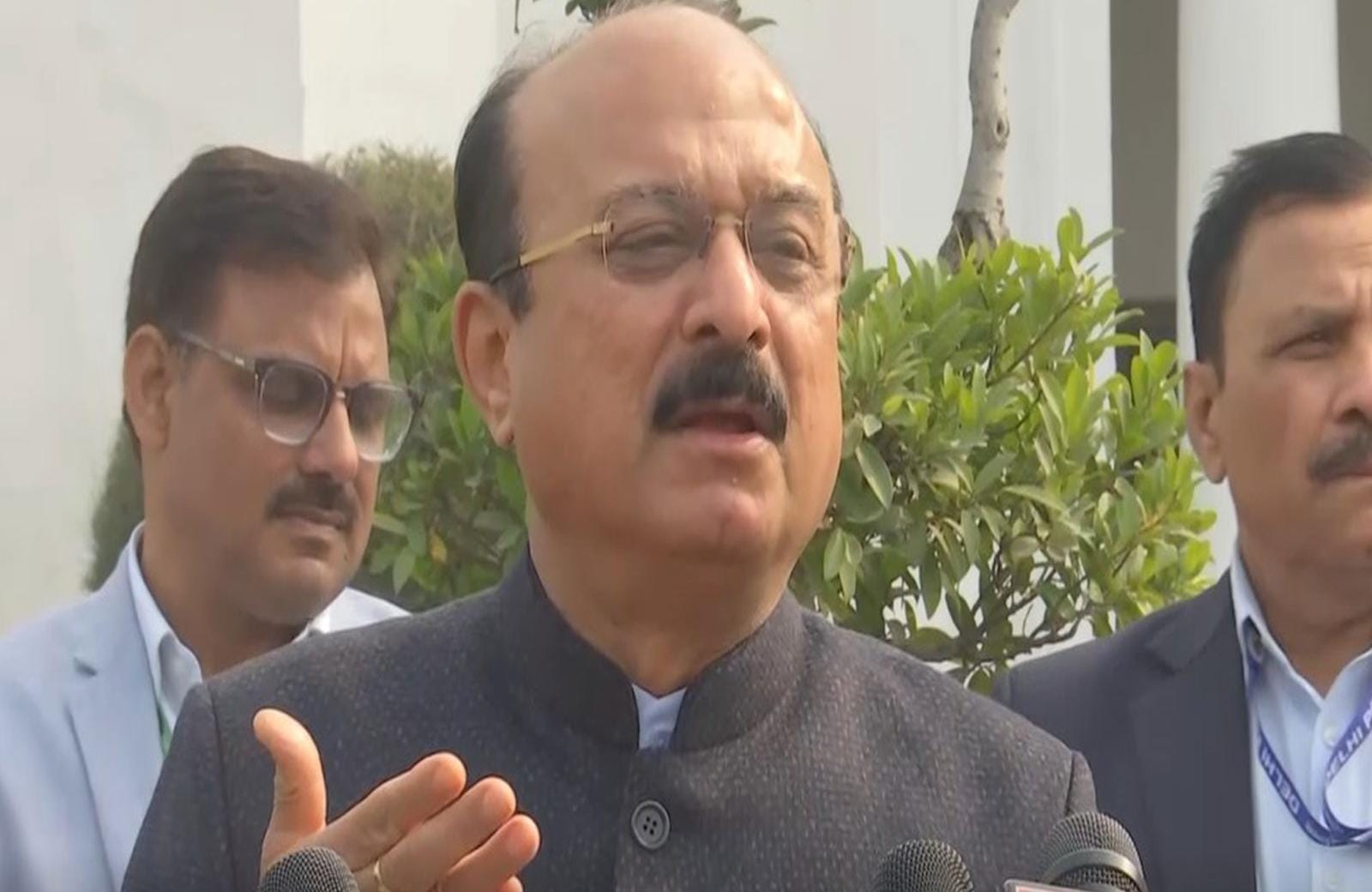
Detailing the forward-looking strategy at the Gandhi Nagar launch, Power Minister Ashish Sood stated:
"Our objective is not merely to provide electricity. Our goal is to deliver reliable power, affordable power, smart power, and now green power. The people of Delhi should not only purchase electricity but also generate their own power and earn additional income by supplying surplus electricity to the grid."
An official coordinator from the BSES Engineering Division added:
"According to officials, compact pad-mounted substation frameworks represent a necessary architectural shift for historic, high-density zones where traditional land acquisition for grid expansion remains physically impossible."
Why It Matters
The dual-launch signals a transition away from bulky, hazardous open-air transformers toward clean-energy systems inside high-density Asian metropolises. For business owners in crowded zones like Gandhi Nagar, it means safer streets and lower fire risks. For everyday consumers, the streamlined solar campaign simplifies green subsidies, converting passive energy buyers into active grid suppliers who can earn extra income while building regional energy independence.
Key Facts at a Glance
Spatial Efficiency: The smart pad-mounted substation requires 80% less space than older models, ideal for narrow urban streets.
Green Campaign: "Solarise East" simplifies registration and net-metering under the PM Surya Ghar solar scheme.
Capex Funding: Backed by an annual capital investment of ₹1,427 crore dedicated to upgrading transmission and distribution.
Grid Resilience: The upgrades build on infrastructure that successfully managed an all-time record load of 8,748 MW this year.
FAQ Section
Q1: What makes a pad-mounted substation different from traditional ones?
A1: Traditional urban substations require wide, fenced compounds with exposed high-voltage lines. Pad-mounted systems are self-contained in locked steel cabinets, dramatically lowering their physical footprint and reducing safety risks in crowded spaces.
Q2: Who is eligible to participate in the "Solarise East" initiative?
A2: The campaign targets residential electricity consumers, housing societies, and commercial properties located in East and South-East Delhi distribution zones overseen by BYPL.
Q3: How will this infrastructure impact regular power cuts during hot summer months?
A3: By integrating automated SCADA tech and upgrading grid components, the system isolates issues instantly to prevent localized overloads from blowing out regional lines.
Source: