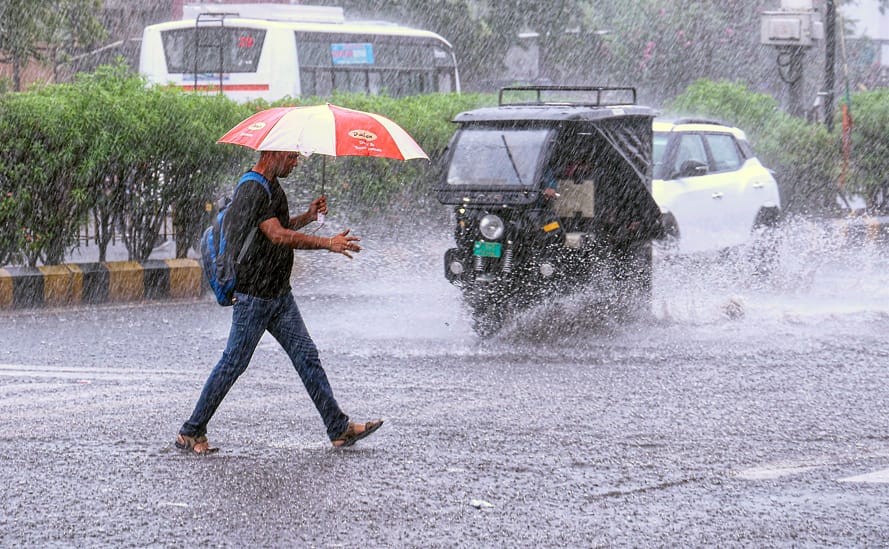
Heavy rains struck Delhi-NCR on Wednesday, causing waterlogging and traffic disruptions. The India Meteorological Department (IMD) issued orange and yellow alerts, urging commuters to exercise caution as civic agencies mobilized emergency teams to clear flooded roads and manage public transit corridors.
Overview and Meteorological Activity
A fresh spell of intense monsoon rainfall struck the National Capital Region (NCR) early Wednesday morning, causing significant waterlogging, traffic snarls, and localized disruptions across multiple thoroughfares. According to the India Meteorological Department (IMD), active weather systems centered over northwest India led to continuous heavy showers that reduced visibility and lowered temperatures across the metropolis.
The regional weather forecasting center issued an orange alert for several parts of Delhi and adjoining areas, warning of moderate to heavy spells accompanied by gusty winds. Concurrently, yellow alerts remained in place for adjacent districts, indicating persistent light to moderate rainfall activity expected to continue through the day.
Traffic Disruptions and Commuter Impact
The sudden surge in precipitation triggered widespread urban flooding across critical transit corridors, including stretches near ITO, Minto Bridge, the Delhi-Gurugram Expressway, and parts of Noida. Commuters faced severe delays during the morning rush hour as vehicles navigated waterlogged roads and slow-moving traffic bottlenecks.
Traffic police departments across Delhi, Gurugram, and Noida deployed field personnel to manage congestion, diverting vehicles away from chronically waterlogged underpasses. Public transit networks, including the Delhi Metro, continued normal operations, providing a vital alternative for thousands of office-goers seeking refuge from road delays. Civic agencies activated emergency pumping mechanisms to drain accumulated water from low-lying residential and commercial zones.
Official Sources and Weather Advisories
According to official bulletins released by the India Meteorological Department (IMD) and local municipal disaster management cells, the ongoing spell is driven by a shifting monsoon trough passing close to the region.
The weather bureau advised residents to exercise caution, avoid travel through known waterlogging hazard zones, and monitor live traffic updates before embarking on journeys. Municipal corporations confirmed that rapid response teams were stationed across all administrative zones to address complaints regarding fallen trees and water stagnation.
"According to officials, continuous monitoring of radar imagery indicates that intermittent heavy spells will persist across the capital, prompting the continuation of high-severity weather alerts for commuters and local authorities," stated disaster management spokespersons.
Why It Matters
The implementation of orange and yellow weather alerts carries direct practical implications for millions of residents, daily commuters, and local businesses within the Delhi-NCR ecosystem. Unprecedented downpours severely strain urban drainage infrastructure, disrupt supply chains, and lead to productivity losses due to transit delays.
For civic planners, recurrent waterlogging underscores the urgent need for long-term stormwater management upgrades. For everyday citizens, remaining informed about IMD advisories prevents avoidable gridlock and ensures personal safety during severe weather events.
Key Facts at a Glance
Weather Event: Heavy monsoon rainfall lashing Delhi and the National Capital Region.
Alert Status: Orange and yellow weather alerts issued by the India Meteorological Department (IMD)
Impact Zones: Major arterial roads, underpasses, and low-lying areas experiencing waterlogging and traffic congestion.
Advisory: Authorities urged commuters to check traffic advisories and avoid vulnerable transit routes.
Frequently Asked Questions
What do the IMD orange and yellow alerts signify for Delhi-NCR?
An orange alert warns of moderate to heavy disruptive weather requiring preparedness, while a yellow alert serves as an advisory to stay updated on localized weather developments.
Which areas experienced the worst waterlogging?
Major bottlenecks were reported across traditional low-lying points, including stretches near ITO, Minto Bridge, and key expressway connectors.
Where can citizens check live weather updates?
Official updates and live radar tracking are accessible via the India Meteorological Department (IMD) portal and municipal traffic handles.
How is public transport operating during the rain?
While road transport faced heavy delays, rail and metro transit networks operated largely on schedule, absorbing commuter overflow.
Source: India Meteorological Department (IMD), Delhi Traffic Police Bulletins, Municipal Disaster Management Reports