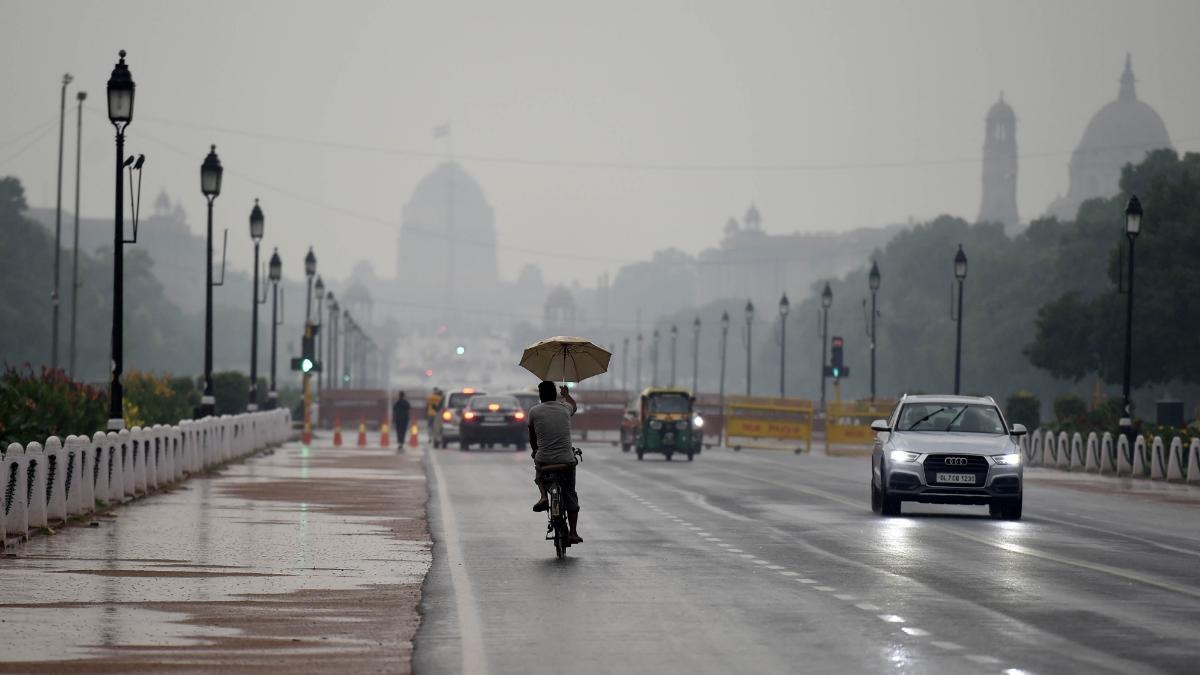
Heavy monsoon downpours triggered a maximum IMD Red Alert across Delhi-NCR, causing severe waterlogging at key sites like Minto Bridge and delaying primary rail routes. The adverse weather conditions forced major carriers including Air India and IndiGo to issue urgent passenger advisories regarding disrupted flight schedules.
NEW DELHI — Incessant monsoon downpours heavily disrupted normal life across the National Capital Region (NCR) on July 9, 2026, prompting the India Meteorological Department (IMD) to elevate its weather warning status to a maximum "Red Alert". The overnight torrential precipitation caused widespread infrastructure bottlenecks, leaving core arterial roads severely waterlogged and heavily slowing down vehicular traffic.
The climate event impacted multiple cross-country transport networks. Intercity railway connections suffered notable procedural delays, while leading commercial carriers, including Air India, IndiGo, and SpiceJet, issued urgent network-wide travel advisories warning passengers of inevitable flight schedule changes at Indira Gandhi International Airport.
Heavy Rain Submerges Key Transits and Railroads
According to local municipal reports, prolonged deluges turned strategic urban junctions into virtual gridlocks. Severe waterlogging was officially logged across prominent arterial sectors, including:
The underpass at Minto Bridge
Roads surrounding the New Delhi Railway Station
Munirka and Sangam Vihar residential and commercial zones
Key points on the Delhi-Gurugram Expressway (NH-48)
Commuters faced extreme delays as vehicles were stranded in knee-high water, causing traffic to move at a snail's pace along the Ring Road and Outer Ring Road corridors.
On the rail network, commuters faced severe structural setbacks. Multiple long-distance express lines operating under Northern Railway experienced delays as localized track flooding compromised automatic electronic signaling grids. Passengers stranded at peripheral transit locations, such as the Gurugram railway station, reported an absence of real-time schedule adjustments, with major lines like the Delhi-Jaipur Shatabdi Express running well behind schedule.
Aviation Networks Face Severe Delays
The extreme weather directly affected the capital's aviation network, forcing terminal management teams to coordinate real-time adjustments with air traffic control. Due to reduced runway visibility and heavy convective thunderstorm clusters over Delhi-NCR airspace, inbound and outbound flights faced consecutive holding patterns.
The sudden reduction in operational efficiency prompted three major domestic airlines to publish urgent updates via social channels:
Air India: Cautioned passengers that adverse weather could affect flights operating to and from Delhi, advising travelers to verify their operational status online.
IndiGo: Declared that bad weather over the national capital had directly impacted comprehensive flight schedules. The carrier urged passengers to factor in extra commute time due to heavy road waterlogging en route to the airport.
SpiceJet: Warned that departures and arrivals could face significant consecutive delays, advising customers to monitor live flight trackers closely.
Official Sources Section
Emergency weather alerts and precipitation measurements are continuously generated by the India Meteorological Department (IMD). Urban infrastructure management data and regional tracking logs are coordinated by the National Disaster Management Authority (NDMA) alongside local municipal corporations.
Quote Section
"Moderate to heavy rain accompanied by severe thunderstorms and lightning is very likely to persist over the multi-district zones of New Delhi," stated the National Disaster Management Authority (NDMA) in an early morning emergency bulletin. "Residents are strongly urged to avoid unnecessary outdoor travel and keep clear of vulnerable structures and flooded underpasses."
According to officials at Indira Gandhi International Airport, "Ground handling teams are operating under adverse weather protocols to ensure structural safety. While runways remain functional, safety buffers require expanded aircraft separation intervals, which will cause rolling flight delays throughout the afternoon."
Why It Matters
For daily commuters and corporate employees, the severe waterlogging highlights ongoing structural drainage challenges within metropolitan centers. For air and rail travelers, the active alerts mean long-distance journeys require checking live schedule trackers, allowing significant buffer times to avoid missing critical transport connections.
Key Facts at a Glance
Alert Status: The IMD upgraded the regional weather warning to a strict Red Alert for Delhi-NCR.
Transit Disruption: Core urban hot spots, including Minto Bridge and New Delhi Railway Station routes, are deeply waterlogged.
Rail Failures: Multiple express train lines are facing indefinite delays due to track flooding and signaling technical faults.
Airlines Advisory: Air India, IndiGo, and SpiceJet have activated passenger alerts warning of rolling schedule changes.
Frequently Asked Questions
Why did airlines issue special travel advisories for Delhi?
Airlines activated special advisories because severe thunderstorms and low visibility directly compromised landing slots at the airport, while city-wide waterlogging made roads heading to the terminals highly congested.
Which areas in Delhi are experiencing the worst waterlogging?
The most severe flooding and traffic logjams have been reported near Minto Bridge, the New Delhi Railway Station area, Munirka, Sangam Vihar, and several low-lying stretches along National Highway 48.
How long is the IMD's severe rain warning expected to last?
According to current IMD updates, widespread heavy precipitation and accompanying gusty winds will persist through July 9, before gradually tapering down into an orange or yellow alert phase by late evening.
Source: Official weather bulletins published by the India Meteorological Department, emergency advisories released by the National Disaster Management Authority, and passenger safety statements issued by Air India and IndiGo Corporate.