Delhi authorities have processed 2.16 crore metric tonnes of legacy waste across the Bhalswa, Okhla, and Ghazipur landfills, successfully reclaiming 100 acres of municipal land. The initiative combines heavy bio-mining, inert material reuse in road construction, and the development of four new Waste-to-Energy facilities to modernize urban waste handling.
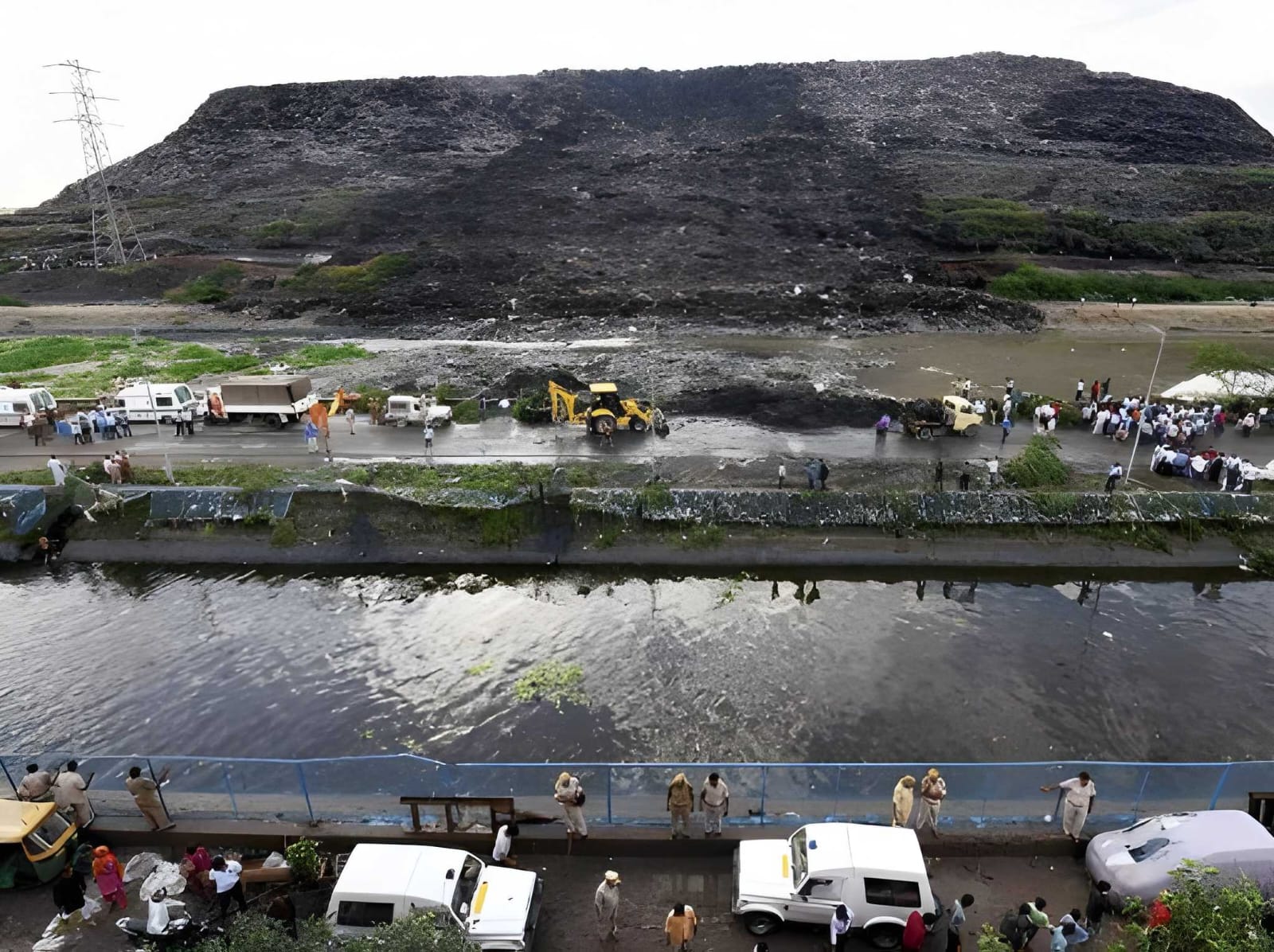
NEW DELHI — The Delhi government announced on August 30, 2026, that civic agencies have cleared 2.16 crore metric tonnes (MT) of legacy waste across three primary landfill sites in the capital. The bio-mining and remediation drives across Okhla, Bhalswa, and Ghazipur have reclaimed 100 acres of urban land, marking a critical milestone in the city's long-term municipal waste management policy.
Breakdown of Biomining Operations Across Landfills
The Municipal Corporation of Delhi (MCD) executed waste processing operations across three major garbage mounds using heavy trommel machinery and bio-remediation protocols. According to data released by the Chief Minister’s Office, the total volume cleared includes:
Bhalswa Landfill: 102 lakh metric tonnes of waste processed, freeing 45 acres of land.
Okhla Landfill: 70 lakh metric tonnes of waste processed, reclaiming 35 acres.
Ghazipur Landfill: 44 lakh metric tonnes of waste processed, clearing 20 acres.
The recovered inert material and soil-like fractions generated during biomining are being repurposed systematically. Municipal contractors are utilizing these residual inert materials to backfill low-lying areas and construct base layers for regional road projects.
Infrastructure Initiatives for Daily Solid Waste Management
To prevent future accumulation of legacy waste, municipal authorities have completed preliminary work on four new Waste-to-Energy (WtE) processing plants. Once fully operational, these facilities will expand Delhi’s daily waste treatment capacity to match the capital’s daily solid waste output.
The technical strategy combines active legacy remediation with real-time daily waste incineration and recycling, aiming to eliminate open dumping practices over time.
Official Statements
"Garbage mountains had remained a major problem for the people of Delhi for years," Chief Minister Rekha Gupta stated. "Our government worked towards fulfilling the commitment to clear them through a scientific roadmap, dedication, and a time-bound approach. The goal is to ensure as much waste as Delhi generates every day is processed on a daily basis".
According to officials, the long-term plan prioritizes sustainable scientific processing of all categories of municipal solid waste while continuously freeing land parcels locked under legacy dumps.
Practical Implications for Residents and Urban Development
The reclamation of 100 acres of land directly addresses environmental and public health concerns for nearby residential zones. Legacy landfills have historically contributed to groundwater contamination via leachate, airborne particulate pollution, and seasonal methane fires during summer months.
The physical reduction of garbage mounds improves air quality and stabilizes surrounding real estate values. Furthermore, reclaimed municipal acreage provides space for civil infrastructure, urban parks, and waste management facilities.
Key Facts at a Glance
Total Waste Processed: 2.16 crore metric tonnes (MT) across three sites.
Total Land Reclaimed: 100 acres (Bhalswa: 45 acres, Okhla: 35 acres, Ghazipur: 20 acres).
Material Recycling: Recovered inert material used for road basework and filling low-lying land.
Future Capacity Expansion: Four new Waste-to-Energy plants planned to handle daily garbage generation.
Frequently Asked Questions
What is legacy waste?
Legacy waste refers to solid waste that has accumulated at landfill sites over years or decades without undergoing processing or containment.
How is the cleared landfill waste being processed?
Municipal agencies use trommel screening machines and bio-remediation to separate waste into refuse-derived fuel (RDF), inert soil, and recyclable materials.
What is happening to the land reclaimed from Delhi's landfills?
Reclaimed land is earmarked for municipal infrastructure, urban greening projects, and modern processing facilities to ensure long-term environmental sustainability.
Source: Chief Minister's Office Delhi, Municipal Corporation of Delhi