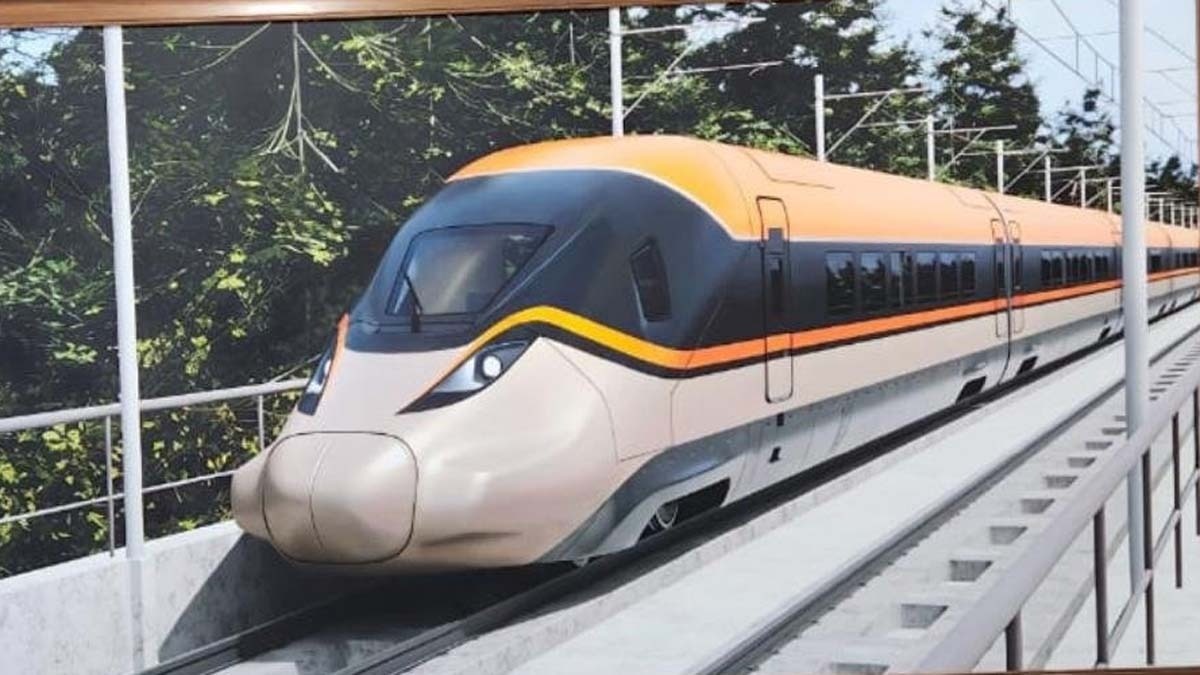
Railways Minister Ashwini Vaishnaw has announced a new high-speed bullet train corridor connecting Delhi to Siliguri via Lucknow, Varanasi, and Patna. The project aims to reduce travel time from 20 hours to six hours, serving as a cornerstone of a massive ₹1 lakh crore rail infrastructure push for West Bengal.
KOLKATA — In a major infrastructure push for West Bengal, Union Railways Minister Ashwini Vaishnaw announced on Saturday, June 6, 2026, that the Centre will develop a new bullet train corridor connecting Delhi to Siliguri. The ambitious project is designed to cut the travel duration between the national capital and the gateway to the Northeast from the current 20 hours to just six hours.
The proposed high-speed route will transit through key urban centers, including Lucknow, Varanasi, and Patna. This development marks a significant expansion in India’s high-speed rail network, following the 508-km Mumbai-Ahmedabad corridor, which is slated to become operational in 2027.
Expanding High-Speed Connectivity
The Delhi-Siliguri corridor is envisioned as a strategic link for eastern and northern India. By integrating major cities in Uttar Pradesh and Bihar, the project aims to foster regional economic growth, enhance trade, and provide seamless passenger connectivity.
"A bullet train project will come to West Bengal," Minister Vaishnaw said during his visit to Kolkata. "It will connect Delhi and Siliguri via Lucknow, Varanasi, and Patna. The journey will take only six hours by bullet train."
The initiative forms part of a broader rail infrastructure investment exceeding ₹1 lakh crore currently under implementation across West Bengal. During his visit, the Minister held discussions with West Bengal Chief Minister Suvendu Adhikari, who pledged state government support, particularly regarding the crucial aspect of land acquisition.
Revamping Infrastructure in West Bengal
Alongside the bullet train announcement, the Ministry of Railways unveiled several other modernization efforts for the state:
Kolkata Metro Expansion: The network is set to receive 60 next-generation trains over the next five years, aiming to alleviate congestion and improve transit efficiency in the state capital.
Amrit Bharat Stations: A total of 102 railway stations across West Bengal are slated for comprehensive redevelopment.
Freight and Electrification: The government highlighted the progress of the East-West Dedicated Freight Corridor, which aims to boost industrial logistics between Dankuni and Surat, alongside the achievement of 100% railway electrification in the state.
Minister Vaishnaw also criticized the previous state administration, citing historical delays in railway and metro projects due to administrative and legal hurdles, including cases regarding the Chingrighata metro stretch. With the new coordination between the Centre and the state, officials expect these stalled projects to see accelerated progress.
Quote Section
According to officials, the Delhi-Siliguri high-speed rail corridor is a flagship priority designed to integrate North Bengal more closely with the national logistics and passenger networks. Organizers stated that the project, once operational, will dramatically improve trade and tourism potential for the entire Northeast region.
Why It Matters
The implementation of a high-speed corridor connecting Delhi to Siliguri holds immense strategic and economic value. For the passenger, it offers a near-70% reduction in travel time. Economically, it links industrial clusters in Uttar Pradesh and Bihar with the trade gateway of Siliguri, likely spurring manufacturing and logistics investment. For the state of West Bengal, the commitment to land support from the current government signifies a renewed "double-engine" collaboration aimed at overcoming years of project stagnation.
Key Facts at a Glance
Project Scope: High-speed bullet train connecting Delhi to Siliguri.
Key Intermediary Stops: Lucknow, Varanasi, and Patna.
Travel Time Reduction: From 20 hours to approximately 6 hours.
Total Rail Investment: Over ₹1 lakh crore worth of railway projects currently underway in West Bengal.
Metro Upgrades: 60 next-generation rakes for Kolkata Metro and redevelopment of 102 Amrit Bharat stations.
FAQ
When will the Delhi-Siliguri bullet train be operational?
While the project has been announced, specific timelines for completion and project reports are expected to be shared by the Ministry of Railways in the coming months.
Is this India's first bullet train?
No. India’s first bullet train, the Mumbai-Ahmedabad corridor, is expected to become operational in 2027. The Delhi-Siliguri project is part of the subsequent expansion of the high-speed rail network.
How will this affect North Bengal?
As Siliguri serves as the gateway to the Northeast, the bullet train is expected to significantly boost regional trade, tourism, and national security logistics by providing rapid connectivity to the national capital.
Will land acquisition be an issue for this project?
The West Bengal Chief Minister has pledged the state government's full cooperation and support for land acquisition, citing successful recent transfers for border security infrastructure as a model for cooperation.
Official Sources