The launch of Delhi's first eco-friendly Yamuna river cruise has been delayed until at least October 2026 due to insufficient water depth along its 5-kilometer route. While the 40-seater electric catamaran and floating passenger jetties are fully ready, water levels remain well below the required 2-meter operational baseline.
NEW DELHI, India — The Delhi government's multi-million-rupee plan to introduce commercial cruise tourism on the Yamuna River has encountered a critical environmental standstill. Official engineering reviews conducted on Wednesday, June 24, 2026, confirmed that the primary 5-kilometer navigation corridor between Sonia Vihar and Jagatpur lacks the necessary depth to float the newly delivered passenger vessel, forcing authorities to delay the project's launch indefinitely.
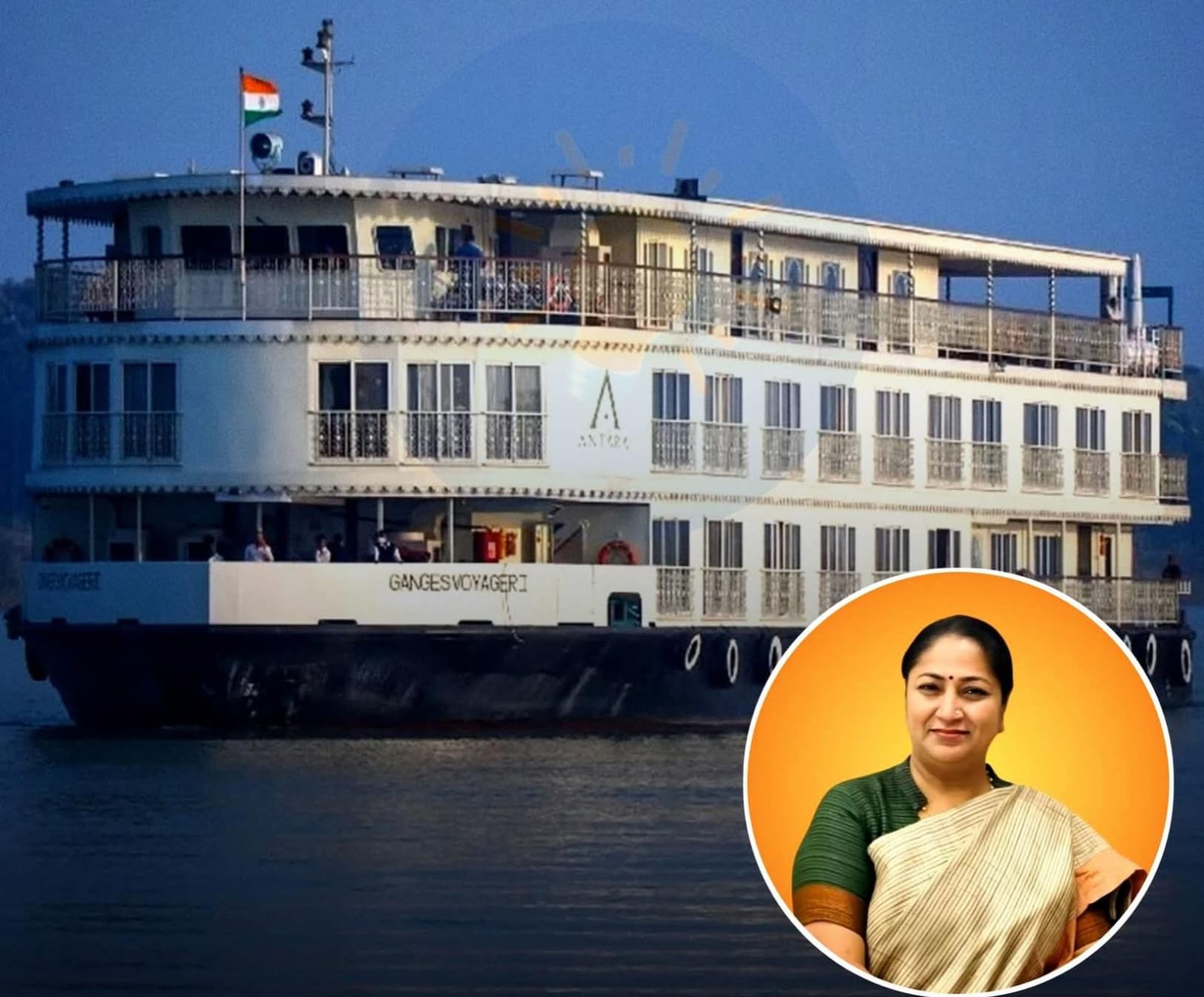
The eco-friendly ferry, named 'Namo Yamuna,' is currently stationed under protective tarpaulin sheets near the Wazirabad Barrage. According to senior representatives from the Inland Waterways Authority of India (IWAI), regional dry spells have reduced parts of the riverbed upstream of Wazirabad to shallow pools measuring less than one meter deep, rendering immediate tourism or transport operations structurally impossible.
Technical Draft Violations and Environmental Flows
The postponement underscores a recurring friction between seasonal river variations and the technical parameters required for modern inland vessel navigation. The custom-built 'Island Boats 40' (IB 40) catamaran cruise vessel—manufactured by Mumbai-based Inspiration Marine Private Limited—requires a stable, minimum operational water depth of 2.0 meters to sail safely under full passenger payload constraints.
Field surveys carried out by hydrographic teams near the Sonia Vihar Sports Club revealed that the actual depth along major sections of the planned route fluctuates between 0.6 and 0.9 meters. Local water management logs show that the Hathnikund Barrage in Haryana is currently releasing roughly 350 cusecs of water into the downstream channel, whereas the project's baseline environmental flow model requires a sustained minimum discharge of 1,500 cusecs to maintain navigate-ready levels.
Infrastructure Readiness and Financial Exposure
While the natural waterway remains dry, ground construction for the project is nearly complete. Joint development work between the central government, the Delhi Tourism Transportation Development Corporation (DTTDC), and the Delhi Development Authority (DDA) has successfully delivered dual floating jetties capable of accommodating 50 passengers each at the Sonia Vihar boarding station.
Contractors at the site are completing the final installations for ticketing cabins, solar-electric charging terminals, passenger waiting bays, and dedicated parking facilities. The total financial allocation for the cruise corridor is estimated at INR 20 crore. Financial consultants note that while onshore capital remains secure, the return on investment for private concessionaires will remain locked until regular passenger ticketing—expected to be priced at INR 500 per person—can officially commence.
Public Impact and Future Operational Horizons
The persistent launch delays directly impact city commuters and domestic tourists looking for sustainable alternatives to Delhi’s highly congested roadways. Designed as a key segment of National Waterway 110, the zero-emission electric cruise was promoted as a blueprint for clean, short-distance public transit capable of bypassing the capital's severe vehicle emission gridlocks.
The current delay pushes the earliest possible public launch out to October 2026. While the incoming summer monsoon is expected to quickly replenish the river’s volume, maritime experts warn that heavy rainy season flows bring unpredictable silt movement, floating debris, and dangerous water surges that present severe safety risks for commercial passenger operations.
Official Sources Section
Project metrics and engineering constraints have been compiled from official progress updates published by the Press Information Bureau (PIB) and ongoing site inspection summaries issued by the Delhi Tourism department. All revised sailing schedules remain contingent on regional water allocations and formal safety clearances from the IWAI.
Quote Section
"According to officials associated with the infrastructure project, the vessel cannot be safely deployed under current conditions without risking severe grounding or propulsion system damage from thick, accumulated river silt."
Why It Matters
The stalling of the Yamuna cruise project serves as an active case study showing how changing environmental realities can immediately disrupt urban infrastructure planning. It demonstrates that transforming metropolitan rivers into viable transport canals requires more than purchasing specialized ships or building modern docks; it demands long-term, inter-state cooperation to secure stable environmental water flows amidst increasingly volatile seasonal droughts.
Key Facts at a Glance
Depth Deficiency: The 'Namo Yamuna' cruise vessel requires a 2-meter depth to operate, but sections of the river are currently measuring under 1 meter deep.
Supply Shortage: The river is receiving just 350 cusecs of water from northern upstream barrages, far below the 1,500 cusecs needed for stable navigation.
Vessel Readiness: The INR 20-crore project features a fully completed 40-seater electric catamaran utilizing zero-emission solar-hybrid battery packs.
Onshore Progress: Floating passenger jetties and basic boarding zones are completely built, while secondary parking spaces are in their final stage of work.
Revised Timeline: Government planning boards have shifted the target launch date from the dry summer months to October 2026.
Frequently Asked Questions
Why can't the Yamuna cruise operate during the summer?
During the peak summer months, water levels in the Yamuna drop drastically due to limited upstream releases from the Hathnikund Barrage, leaving the riverbed too shallow for the boat to sail without getting stuck in the mud.
Why not launch the boat immediately when the monsoon rains start?
While the monsoon will bring plenty of water, it also causes unpredictable currents, heavy flooding, and floating debris. Running a passenger tour service under those volatile conditions poses severe safety risks.
How much will the cruise tickets cost once operations begin?
According to initial tariff frameworks drafted by the tourism department, tickets are expected to be priced at approximately INR 500 per passenger for the one-hour scenic round trip.
Source: Inland Waterways Authority of India Project Logs, Press Information Bureau Government Briefings, Delhi Development Authority Land and Water Review Boards.