The UAE Ministry of Economy and Tourism has confirmed strong interest from Emirati companies in investing in Rajasthan's hospitality sector. During the recent UAE-Rajasthan Round Table in Jaipur, discussions emphasized expanding hotel infrastructure, improving direct air connectivity, and leveraging bilateral trade frameworks to deepen economic cooperation between the two regions.
Backed by official ministerial announcements, international delegates confirm strategic investment intents to expand luxury tourism infrastructure across Jaipur and regional heritage hubs.
Deepening Bilateral Ties Through Tourism and Infrastructure
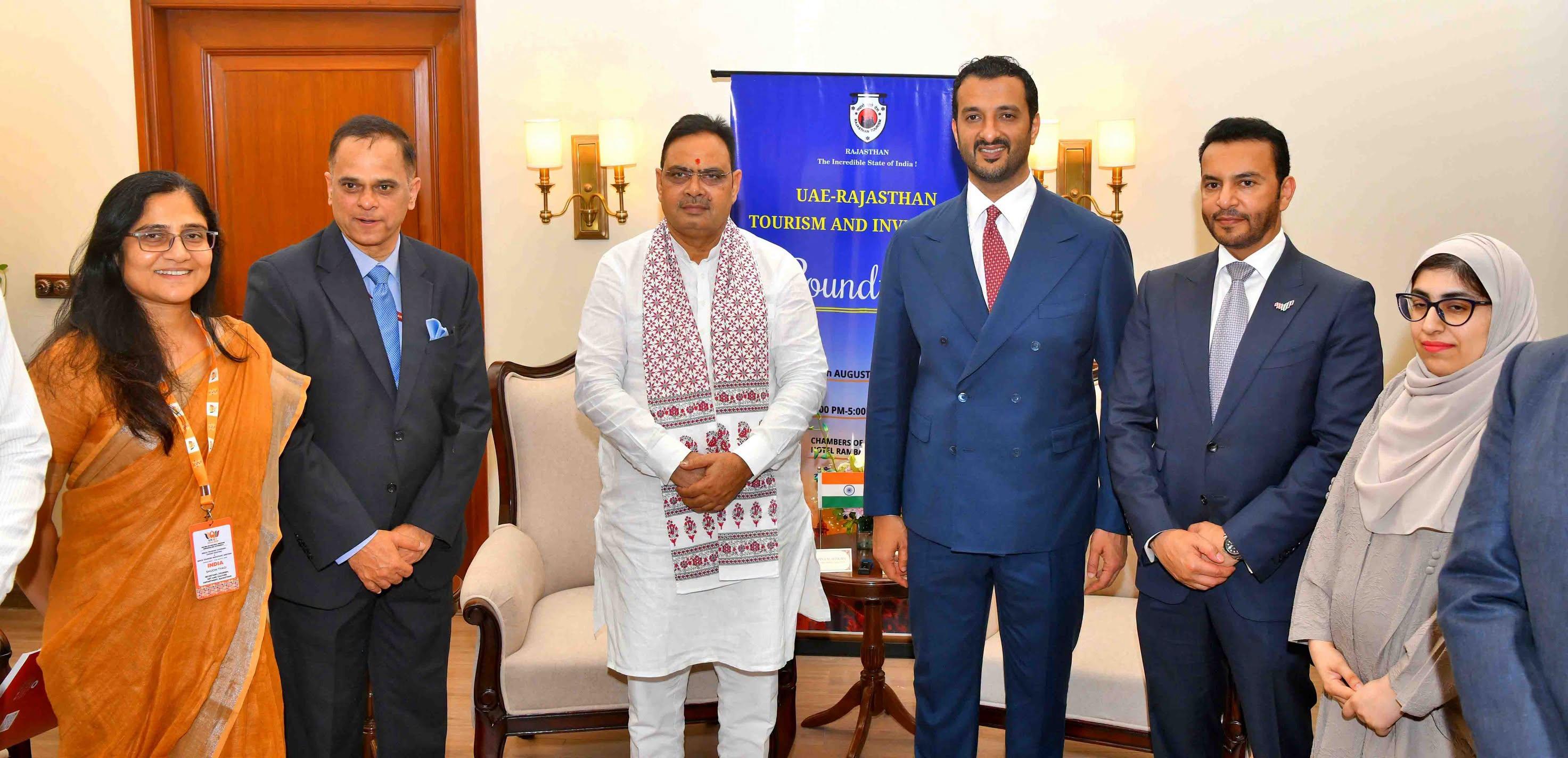
India's western frontier is poised for a major influx of international capital. According to official statements released by the [Ministry of Economy and Tourism, UAE](cite: 1.1.2), and the [Government of Rajasthan](cite: 1.1.3), companies from the United Arab Emirates have expressed explicit intent to invest in Rajasthan's expanding hospitality and tourism landscape. The announcement followed high-level deliberations held during the UAE-Rajasthan Tourism and Investment Round Table at the Rambagh Palace Hotel in Jaipur.
The diplomatic and economic engagement brought together senior government leaders, including Rajasthan Chief Minister Bhajan Lal Sharma and UAE Minister of Economy and Tourism Abdulla Bin Touq Al Marri. Against the backdrop of bilateral trade consistently surpassing $100 billion annually, the discussions centered on channeling sovereign and private Gulf capital into sustainable hotel developments, heritage conservation projects, and enhanced regional air connectivity.
Strategic Focus Areas and Air Connectivity Expansion
The collaborative framework emphasizes mutual growth across service industries, with a distinct emphasis on elevating hospitality standards to match rising global travel demand. State authorities outlined a pro-business environment supported by structured industrial policies and heritage preservation initiatives, such as the ongoing conservation of historic havelis in the Shekhawati region.
Key operational highlights and cooperative objectives discussed during the summit include:
Hospitality and Infrastructure Investment: Channelling UAE private equity into luxury resorts, boutique hotels, and eco-tourism properties across Rajasthan's major cultural corridors.
Enhanced Air Routes: Exploring targeted proposals to improve direct flight connectivity between Dubai and Jaipur to facilitate seamless tourist movement.
Bilateral Trade Frameworks: Leveraging the existing Comprehensive Economic Partnership Agreement (CEPA) to streamline cross-border commercial ventures and regulatory approvals.
Cultural and Culinary Exchanges: Promoting joint culinary tourism initiatives that blend traditional Rajasthani heritage with modern Middle Eastern hospitality standards.
Why It Matters
The formal expression of interest by UAE enterprises carries practical implications for local businesses, travelers, and regional investors. Increased foreign direct investment in hospitality translates to expanded hotel inventories, higher employment opportunities in service sectors, and improved international transit corridors that benefit both business travelers and leisure tourists visiting the state.
Key Facts at a Glance
Key Delegation: Led by UAE Minister of Economy and Tourism Abdulla Bin Touq Al Marri and Rajasthan Chief Minister Bhajan Lal Sharma.
Primary Sector Focus: Hospitality, luxury tourism development, and regional air connectivity.
Bilateral Context: Backed by ongoing bilateral trade volumes exceeding $100 billion annually and the India-UAE CEPA framework.
Venue: Hosted at the Rambagh Palace Hotel in Jaipur.
FAQ Section
Why are UAE companies interested in Rajasthan’s hospitality sector?
Rajasthan offers rich cultural heritage, historical forts, palaces, and a growing tourism footprint that aligns with international investors seeking high-yield hospitality assets.
What specific areas were discussed during the UAE-Rajasthan Round Table?
Discussions focused on hospitality investments, heritage conservation, tourism promotion, and establishing direct air routes between Dubai and Jaipur.
How does the Comprehensive Economic Partnership Agreement (CEPA) impact these investments?
The CEPA framework facilitates stronger economic integration, making it easier for bilateral trade, capital deployment, and cross-border commercial partnerships to thrive.
Where can stakeholders review official updates regarding the investment meet?
Official summaries and policy updates are published regularly by financial news portals and government information outlets, including The Economic Times.
Source: The Economic Times, Press Information Bureau (PIB), Government of Rajasthan Portal