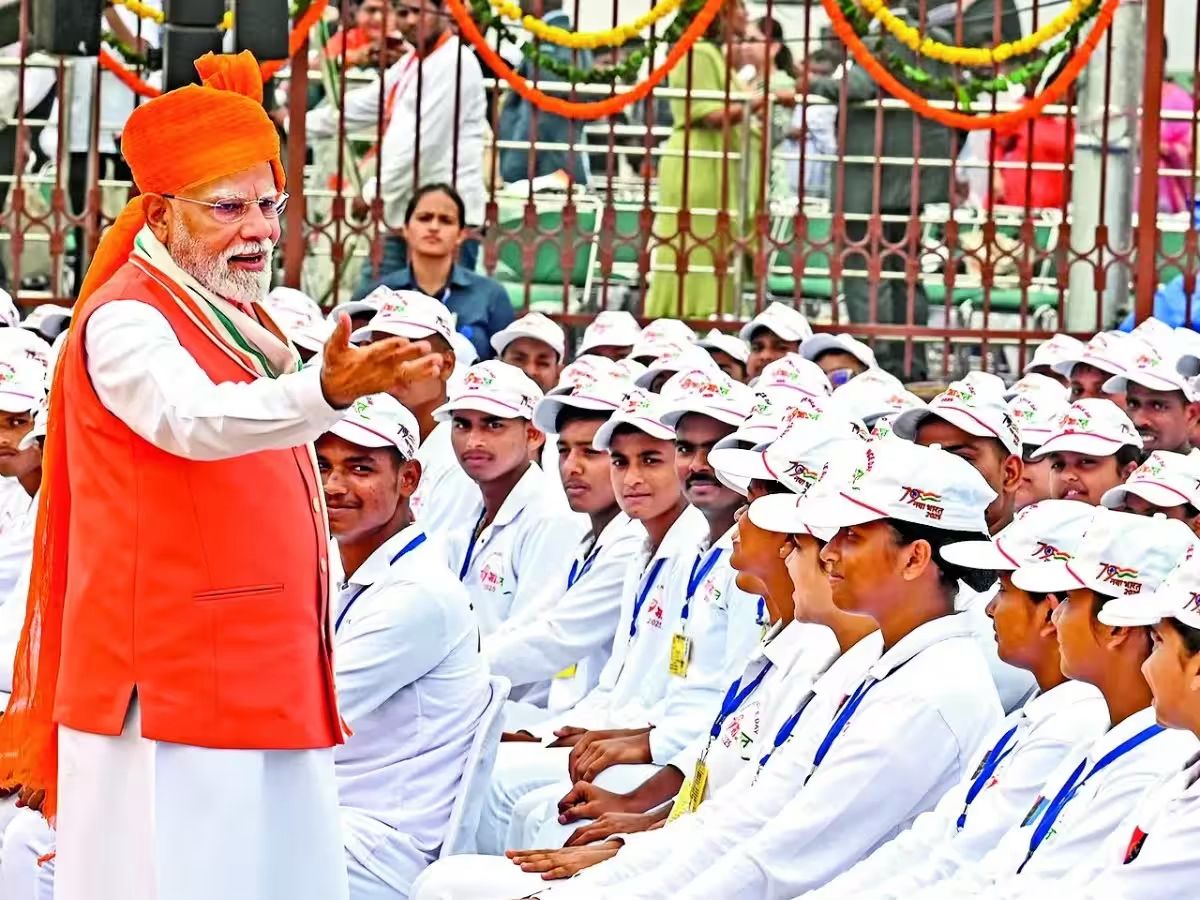
The central government is actively modernizing its communication strategy to engage Gen Z and Generation Alpha. By leveraging short-form social media videos, interactive digital portals, and nationwide campus outreach programs, ministries aim to foster civic participation and disseminate public welfare policies effectively among digital-native citizens.
Backed by official administrative updates, policymakers are deploying short-form video campaigns and university campus programs to connect with digital-native generations.
Modernizing Public Communication for Digital Natives
The mechanism of civic engagement in India is undergoing a structural evolution to keep pace with digitally fluent demographics. According to official administrative releases and media reports published in August 2026, various government ministries and public bodies have ramped up targeted campaigns to engage Gen Z and Generation Alpha. Recognizing that traditional print bulletins and static websites no longer suffice for younger audiences, authorities are shifting their communication footprint toward dynamic digital platforms and direct university interactions.
This strategic pivot is designed to bridge the information gap between state policy formulation and tech-savvy youth. By utilizing interactive social media channels, meme-literate messaging, and structured campus dialogues, the government seeks to foster early political and civic awareness while demystifying complex legislative frameworks for younger citizens.
Core Strategies in Social Media and Campus Outreach
The modern outreach initiative combines digital content creation with grassroots academic participation. Rather than relying on official jargon, communication teams across ministries are translating welfare schemes, budgetary allocations, and technological missions into engaging visual formats.
Key components of the multi-channel youth engagement strategy include:
Short-Form Video Campaigns: Deploying reels, infographics, and bite-sized explainers across platforms like YouTube, Instagram, and regional social networks to highlight policy impacts.
University and College Connects: Organizing interactive quizzes, hackathons, and youth parliaments across central and state campuses to encourage direct policy debates.
Gamified Civic Platforms: Utilizing apps like MyGov to launch interactive challenges, youth advisory boards, and digital feedback loops for public policy suggestions.
Multilingual Digital Outreach: Creating localized video and audio content in regional languages to ensure maximum resonance with Tier-2 and Tier-3 youth cohorts.
Why It Matters
The shift toward digital-first civic communication carries practical implications for young citizens, educational institutions, and public administrators. By demystifying government initiatives through familiar digital formats, policymakers empower the next generation to access welfare benefits, participate in democratic processes, and contribute meaningfully to public policy discussions.
Key Facts at a Glance
Target Audience: Gen Z and Generation Alpha digital-native cohorts.
Communication Channels: Short-form videos, interactive apps, and social media networks.
Grassroots Component: Nationwide campus quizzes, hackathons, and youth forums.
Primary Objective: Enhancing civic awareness and participation in public welfare programs.
FAQ Section
Why is the government shifting its focus toward Gen Z and Alpha?
Younger generations consume information primarily through digital channels; adapting communication styles ensures that critical public policies and welfare schemes reach them effectively.
What platforms are being utilized for modern youth outreach?
Ministries are leveraging short-form video platforms, interactive government apps like MyGov, and targeted social media campaigns.
How do campus outreach programs benefit students?
University events—such as youth parliaments, hackathons, and policy quizzes—allow students to engage directly with governance structures and voice their ideas.
Where can citizens and students review official policy updates and youth initiatives?
Official announcements, digital campaigns, and civic engagement portals are accessible through the Press Information Bureau (PIB) and the MyGov Portal.
Source: Press Information Bureau (PIB), The Print, MyGov Portal