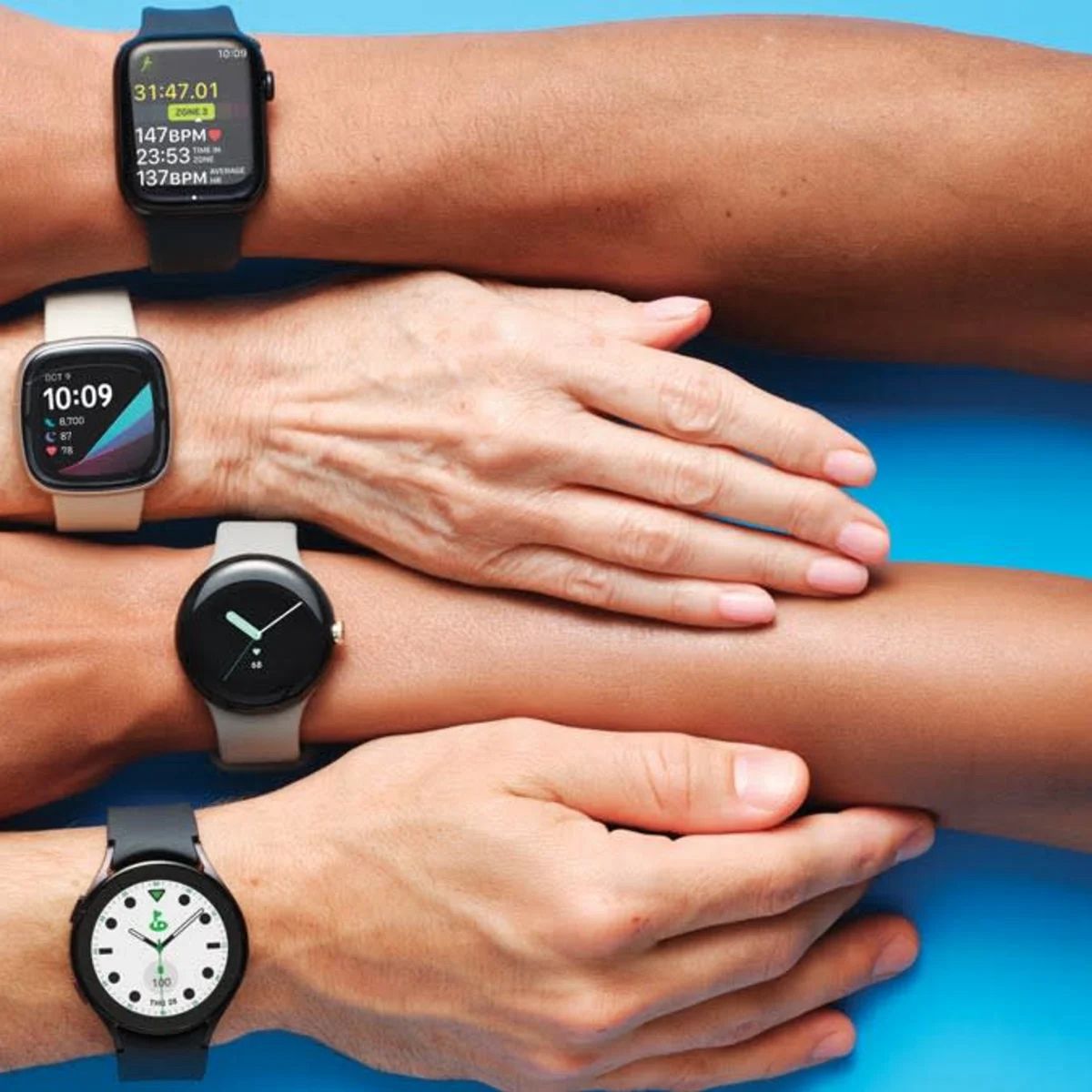
Choosing the right smartwatch requires evaluating more than just brand popularity or basic fitness tracking. According to consumer technology reviews and gadget analysts in August 2026, buyers should verify eight key factors—including battery longevity, OS compatibility, sensor accuracy, build durability, and notification integration—to ensure the wearable genuinely supports their daily routine.
Backed by consumer technology reviews and device testing guidelines, experts highlight eight critical factors to evaluate before purchasing a new wearable.
Evaluating Wearable Technology Beyond the Marketing Hype
The consumer electronics market offers an extensive array of wearable devices, ranging from basic activity bands to advanced health-monitoring smartwatches. According to gadget analysis reports published in August 2026, selecting the right device requires a systematic evaluation of individual lifestyle requirements rather than relying solely on aesthetic appeal or brand prominence. With modern smartwatches functioning as extensions of smartphones and personal medical hubs, making an informed purchase prevents buyer's remorse and ensures long-term utility.
Industry benchmarks indicate that consumers frequently overlook critical hardware and software limitations when upgrading their accessories. To maximize value and functionality, technology reviewers recommend conducting a thorough checklist inspection before committing to any wearable investment.
Eight Vital Features to Inspect Before Purchase
Before bringing home a new smartwatch, buyers must assess core performance metrics that directly impact daily usability, charging habits, and health data tracking reliability.
Key factors and technical specifications to verify include:
Operating System Compatibility: Ensuring seamless integration with your primary smartphone operating system (iOS or Android) to avoid feature restrictions.
Battery Longevity: Reviewing real-world battery endurance under active use, distinguishing between basic power-saving modes and continuous GPS/health tracking.
Sensor Accuracy: Checking the precision of integrated health sensors, including optical heart rate monitors, blood oxygen tracking, and sleep analysis tools.
Build Durability and Water Resistance: Verifying ingress protection (IP) ratings and sapphire crystal or Gorilla Glass screens to withstand physical wear and tear.
Notification and Connectivity Depth: Assessing whether the device supports direct message replies, Bluetooth stability, and optional cellular (LTE) capabilities.
Comfort and Ergonomics: Evaluating strap materials, casing weight, and wrist footprint to ensure comfortable 24/7 wearability, particularly during sleep tracking.
Third-Party App Ecosystem: Confirming access to essential navigation, payment, and fitness applications directly from the device interface.
After-Sales Support and Warranty: Reviewing manufacturer repair policies, software update lifecycles, and accessory availability.
Why It Matters
The practical implications of selecting a well-suited smartwatch extend to daily productivity, health monitoring consistency, and financial value. Consumers who carefully evaluate device specifications avoid purchasing redundant features or underpowered hardware, ensuring their wearable technology remains functional and relevant for years.
Key Facts at a Glance
Primary Evaluation Metrics: Battery longevity, OS compatibility, and sensor accuracy.
Durability Standard: Water resistance ratings and screen scratch protection are vital for active users.
Integration Need: Seamless smartphone synchronization ensures reliable notifications and call management.
Long-Term Value: Assessing software update lifecycles protects the longevity of the investment.
FAQ Section
Why is OS compatibility the most critical factor when buying a smartwatch?
Certain smartwatches are optimized exclusively for specific operating systems; purchasing an incompatible device can limit messaging replies, app downloads, and sensor synchronization.
How does battery longevity vary across different smartwatch models?
Basic fitness bands may last up to two weeks on a single charge, whereas full-featured smartwatches with bright AMOLED displays and cellular connectivity typically require daily charging.
Are integrated health sensors on consumer smartwatches medically accurate?
While modern wearables provide reliable general trends for heart rate and sleep patterns, they are designed for wellness tracking rather than formal medical diagnosis.
Where can shoppers read comprehensive, independent smartwatch reviews?
Detailed technical evaluations and comparative rankings are published regularly through trusted technology portals such as CNET and The Verge.
Source: The Verge Tech Desk, CNET Product Reviews, IDC Wearable Device Trackers