The Shanghai Cooperation Organization (SCO) Summit held in Tianjin, China, has drawn sharp criticism from Ukraine’s Foreign Ministry for omitting any mention of Russia’s ongoing war in Ukraine in its final declaration. Despite the presence of major global leaders and the summit’...
The Shanghai Cooperation Organization (SCO) Summit held in Tianjin, China, has drawn sharp criticism from Ukraine’s Foreign Ministry for omitting any mention of Russia’s ongoing war in Ukraine in its final declaration. Despite the presence of major global leaders and the summit’s stated commitment to regional peace and security, the absence of direct reference to the conflict has sparked diplomatic backlash and raised questions about the bloc’s geopolitical stance.
Here’s a detailed breakdown of the controversy and its broader implications:
Key highlights from the SCO Summit
- The SCO’s Tianjin Declaration, adopted on September 1, made no mention of Russia’s invasion of Ukraine, despite the war’s centrality to current global security concerns
- Russian President Vladimir Putin used the summit platform to blame the West and NATO expansion for the conflict, calling it a response to a Western-backed coup in Kyiv
- Indian Prime Minister Narendra Modi urged both Russia and Ukraine to explore peaceful solutions, emphasizing the humanitarian cost of the war
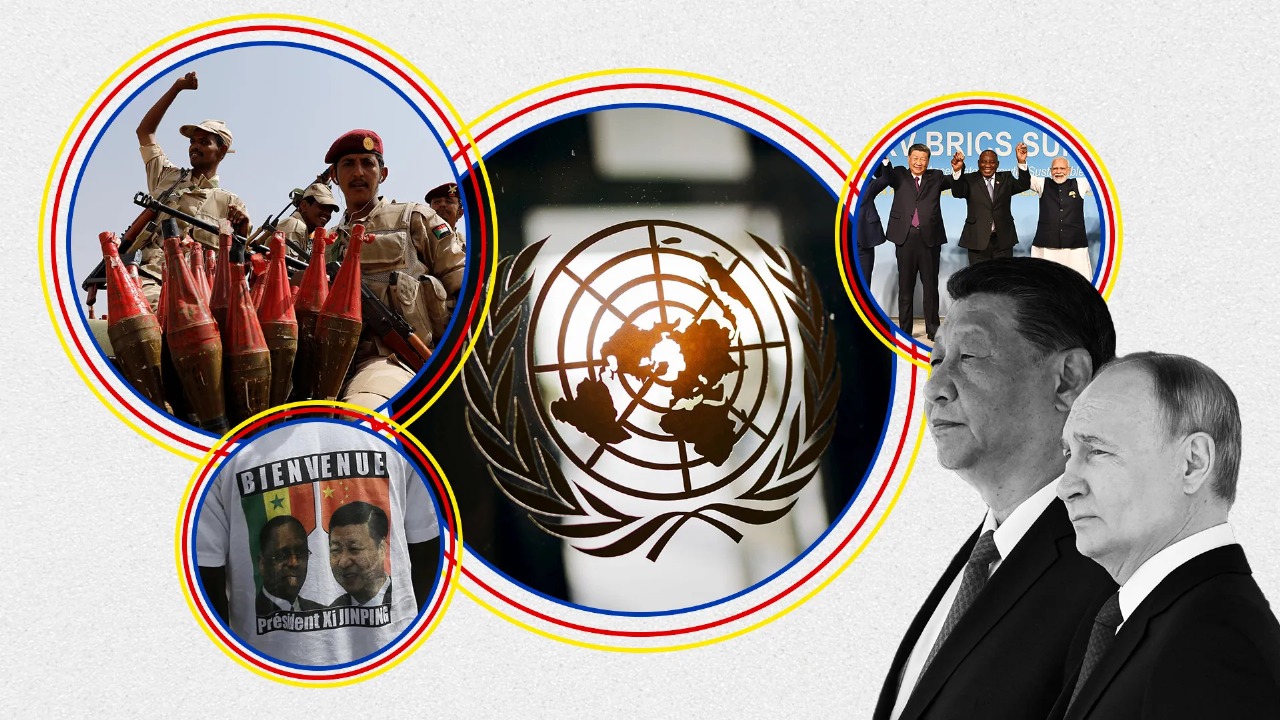
- Chinese President Xi Jinping and Putin showcased deepening ties, with both leaders promoting the SCO as a counterweight to Western-led alliances
- The summit focused on multipolarity, economic cooperation, and regional stability, but avoided direct engagement with the Ukraine crisis
Ukraine’s reaction and diplomatic stance
Ukraine’s Foreign Ministry issued a strongly worded statement criticizing the SCO for failing to address what it called one of the most pressing international crises. Officials expressed disappointment that a bloc comprising major Eurasian powers chose to sidestep the war, especially given Russia’s prominent role in the organization.
The ministry emphasized that silence on such a critical issue undermines the credibility of multilateral forums and signals tacit approval of aggression. Ukrainian diplomats also noted that the declaration’s omission contradicts the SCO’s stated principles of sovereignty, territorial integrity, and peaceful coexistence.
Russia’s narrative and summit messaging
President Putin used the summit to reinforce Russia’s position that the war was provoked by Western interference, particularly NATO’s eastward expansion. He reiterated that the 2014 Ukrainian revolution was a Western-backed coup and framed Russia’s actions as defensive.
Putin praised India and China for their diplomatic efforts, suggesting that their proposals could help facilitate a resolution. He also referenced recent talks with US leaders, including a summit with Donald Trump in Alaska, as steps toward peace.
However, Russia’s framing of the conflict was not challenged by other SCO members, and the summit’s final declaration avoided any language that could be interpreted as criticism of Moscow.
India’s balancing act
Prime Minister Modi walked a diplomatic tightrope, calling for peace without directly condemning Russia. In his address, he highlighted the need for permanent solutions and humanitarian sensitivity, while also thanking SCO members for their support following the Pahalgam terror attack.
India’s position reflects its broader strategy of maintaining strong ties with both Russia and Western powers, especially amid rising global polarization.
Geopolitical implications
- The SCO’s silence on Ukraine underscores the bloc’s growing alignment with non-Western narratives and its reluctance to confront member states
- It signals a shift toward multipolar diplomacy, where regional interests may override global consensus on issues like war and human rights
- Ukraine’s criticism may further isolate Russia diplomatically but also highlights the limitations of forums like the SCO in addressing contentious conflicts
Looking ahead
As the war in Ukraine continues with no clear resolution, the role of multilateral organizations in shaping global opinion and policy remains under scrutiny. Ukraine’s rebuke of the SCO may prompt other nations to reassess the effectiveness and neutrality of such platforms.
Whether future summits will confront the issue head-on or continue to sidestep it will depend on shifting alliances, economic interests, and the evolving balance of power in Eurasia.
Sources: Reuters, Outlook Business, India TV News, News18, Al Jazeera, Radio Free Europe, Censor.NET