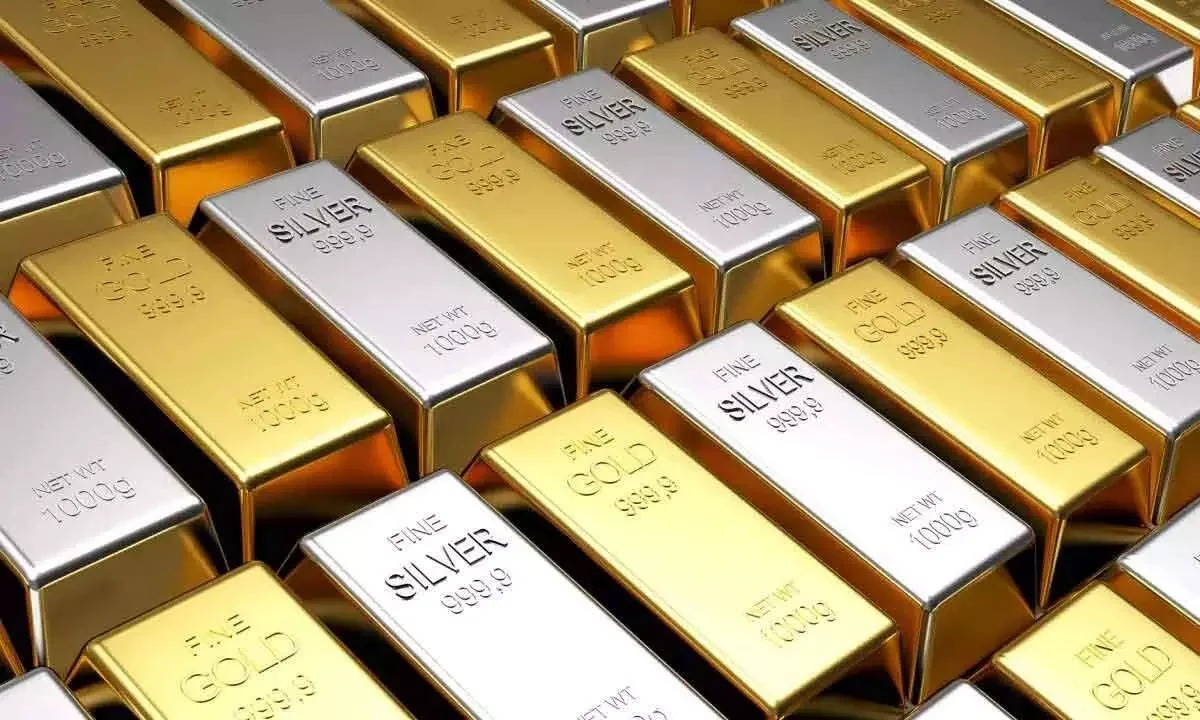
On June 16, 2026, MCX gold futures remained steady above ₹1.53 lakh per 10 grams, while silver futures dipped to ₹2,50,545 per kg. Driven by an easing of West Asian tensions and a softer U.S. dollar, analysts recommend that long-term investors stick to disciplined, systematic accumulation strategies.
MUMBAI — Precious metal valuations diverged during volatile morning trading on the Multi Commodity Exchange (MCX) today, Tuesday, June 16, 2026. Standard benchmark data showed MCX gold August futures trading higher by 0.07% at ₹1,53,030 per 10 grams, holding firmly above the key psychological threshold of ₹1.53 lakh. Conversely, MCX silver July futures came under sudden profit-taking pressure, dropping 0.36% to slide down to ₹2,50,545 per kilogram. The mixed trading patterns follow an aggressive broad-based rally in the previous session, with investors recalibrating their defensive positions as the United States and Iran finalize a preliminary peace framework to wind down their regional conflict.
Macroeconomic Drivers Adjusting Safe-Haven Premiums
The immediate structural catalyst altering the momentum of bullion markets is the announcement of a tentative diplomatic resolution to the four-month-old war in the Gulf. According to trade announcements published by commodity research desks, the geopolitical breakthrough has triggered a sharp correction in international energy costs, pushing Brent crude indices down near $83 per barrel.
While a dampening of geopolitical conflict traditionally weakens the classic "safe-haven" demand for non-yielding assets, global macroeconomic shifts have counterintuitively supported gold prices:
Slowing Inflation Trajectories: Collapsing oil prices have immediately curbed global inflation expectations, prompting expectations of a faster path for interest rate cuts from major central banks.
Currency Support Frameworks: The U.S. Dollar Index fell toward ten-day lows against a basket of peer currencies, directly lowering the relative acquisition cost of commodities for offshore buyers.
Federal Reserve Monitoring: Bond and bullion desks are maintaining a cautious approach ahead of the Federal Open Market Committee (FOMC) June policy meeting starting today. This marks the initial interest rate review led by newly appointed Federal Reserve Chair Kevin Warsh.
While gold held its gains due to its strong ties to global currency values, silver encountered localized selling. This trend emerged as speculative institutional accounts moved quickly to lock in short-term profits following Monday's sharp 4% vertical surge.
Recommendations and Tactical Strategies for Retail Investors
The current price environment presents unique challenges for physical buyers and derivative traders across India. With 24-carat retail spot gold trading at approximately ₹1,49,070 per 10 grams in Mumbai and reaching up to ₹1,51,119 in Chennai due to localized premiums, retail jewelry consumption is showing signs of near-term cooling.
To help investors navigate these high price levels, domestic advisory desks have issued several structural asset allocation strategies:
| Investor Profile | Recommended Tactical Strategy | Technical Levels to Monitor |
| Long-Term Strategic Investors | Maintain a disciplined 5% to 15% core portfolio allocation; utilize Systematic Investment Plans (SIPs) via Gold ETFs or digital gold accounts to average out costs. | Disregard short-term volatility; focus on long-term wealth preservation. |
| Short-Term Position Traders | Exercise extreme caution; buy on dips near key structural baselines while keeping strict stop-losses to protect capital. | Primary MCX Support: ₹1,52,705
Major Upside Resistance: ₹1,53,902 |
| Silver Industrial Allocators | Avoid chasing momentum spikes; accumulate on structural pullbacks as the reopening of the Strait of Hormuz stabilizes electronics manufacturing demand. | Intermediate Target Support: ₹2,46,186
Immediate Resistance: ₹2,53,520 |
Official Sources Section
The derivative pricing statistics, percentage movements, and baseline technical levels outlined across this report are sourced explicitly from live market feeds published by the Multi Commodity Exchange of India (MCX), international spot notifications from Comex, and regulatory tracking datasets managed by the Securities and Exchange Board of India (SEBI).
Quote Section
"According to officials from domestic commodity brokerage houses, the current price divergence highlights a standard transition period where speculative safe-haven premiums are easing, while long-term portfolio rebalancing takes over ahead of the upcoming Federal Reserve interest rate announcement."
Why It Matters
When precious metals climb to historic highs, it significantly alters consumer purchasing power and shifts how institutional capital is allocated. For everyday citizens and corporate treasuries alike, keeping tabs on these commodity trends is essential to shield savings from inflation and preserve real purchasing power during periods of global currency transition.
Key Facts at a Glance
Gold Futures Performance: MCX gold August contracts climbed 0.07% to trade at ₹1,53,030 per 10 grams.
Silver Price Action: July silver futures slipped 0.36%, trading lower at ₹2,50,545 per kilogram.
Geopolitical Influence: A preliminary peace framework between the U.S. and Iran pushed Brent crude prices down toward $83 per barrel.
Central Bank Cues: Market participants are holding back large positions ahead of the June FOMC interest rate review under new Fed Chair Kevin Warsh.
FAQ Section
1. Why are gold rates remaining elevated despite the announcement of a peace deal?
While a peace agreement usually lowers safe-haven demand, the resulting drop in crude oil prices has also dampened global inflation expectations. This shifts market expectations toward faster interest rate cuts from central banks. Because gold does not yield interest, lower global interest rates reduce its opportunity cost, keeping the metal highly attractive to international buyers.
2. What are the key technical support and resistance levels for MCX gold today?
According to technical pivot charts, immediate support for the August futures contract is established at ₹1,52,705, with deeper structural support lower at ₹1,52,070. On the upside, initial resistance sits at ₹1,53,902, followed by a secondary target ceiling at ₹1,54,464.
3. How does the value of the Indian Rupee affect domestic gold pricing?
Since international spot gold is priced in U.S. dollars, any fluctuations in the USD-INR exchange rate directly impact domestic costs. A stronger Indian Rupee helps insulate local buyers from the full impact of rising global dollar prices, whereas a weaker rupee amplifies domestic price increases.
Source: