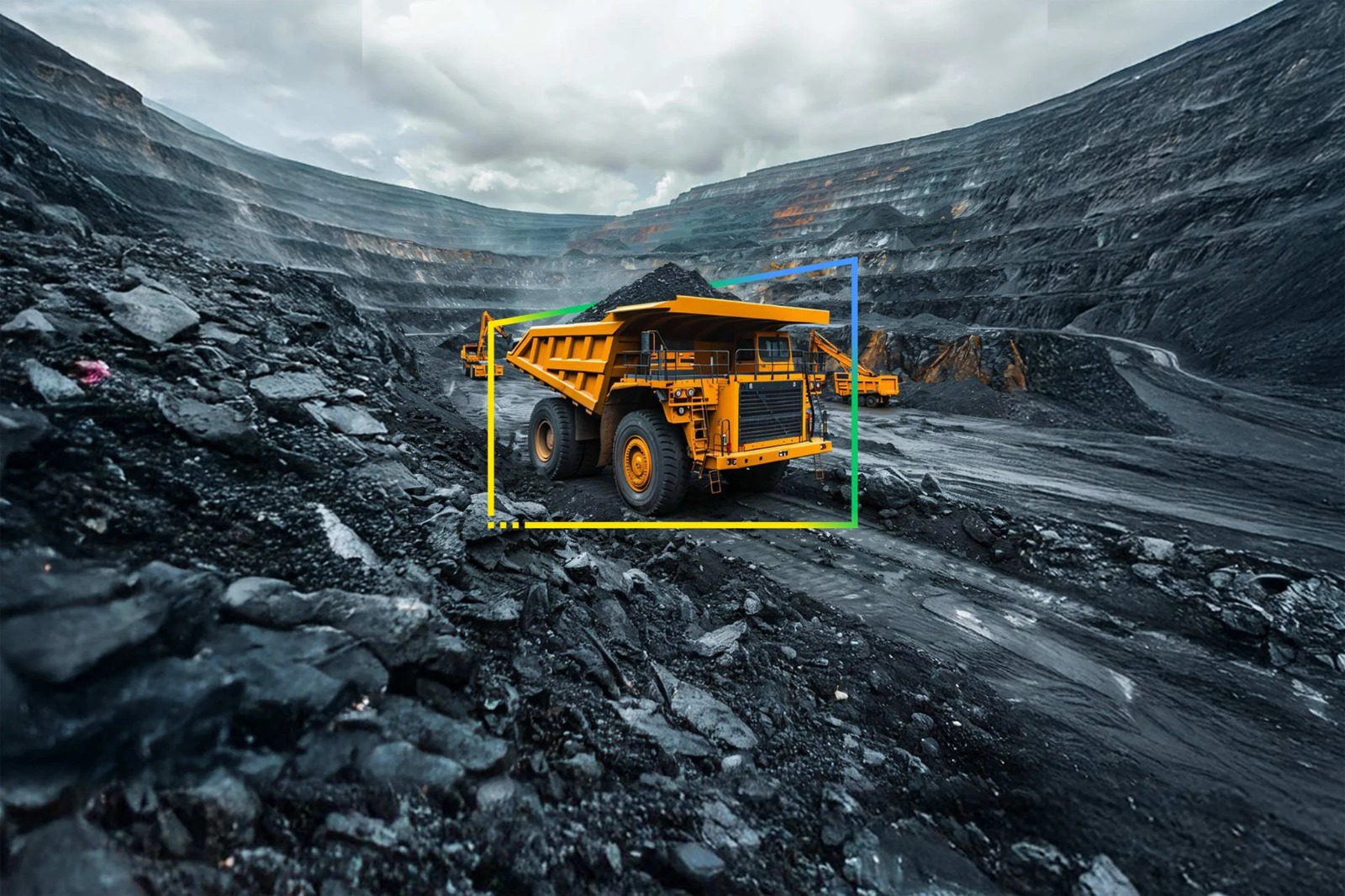
BHP executives project India's demand for metallurgical coking coal will more than double, rising from 55 million tons in 2025 to 116 million tons by 2050. This growth matches India's goal of reaching a 300 Mtpa steel capacity by 2030, establishing the nation as a vital destination for high-grade international commodity exports.
MUMBAI — Driven by rapid urban expansion and an intensive build-out of primary steelmaking infrastructure, India’s domestic demand for metallurgical coking coal is projected to surge to 116 million tons by the year 2050. The updated long-term market tracking was formally disclosed by executive directors from global mining giant BHP Billiton during an industrial trade and metals infrastructure summit held on Monday, June 15, 2026. The forecast trajectory represents a substantial expansion from the baseline demand of 55 million tons recorded across Indian smelting hubs during the 2025 calendar fiscal cycle, positioning the South Asian nation as the primary engine for seaborne metallurgical commodities over the next quarter-century.
Strategic Shift in the Global Steel and Smelting Landscape
According to global trade assessments published by the Ministry of Steel, India is actively pushing ahead with national target blueprints designed to double its domestic crude steel manufacturing capacity to 300 million metric tons per annum (Mtpa) by 2030. Because the vast majority of this newly planned industrial infrastructure relies directly on the traditional Basic Oxygen Furnace (BOF) and Blast Furnace routes, securing stable long-term energy raw materials has become a core priority for sovereign infrastructure planners.
Data shared by market analytics desks at the summit reveals a distinct geographic rebalancing in the seaborne coking coal market:
India's Emerging Dominance: India’s share of global seaborne metallurgical coal demand is forecast to grow, compensating for shrinking imports in aging industrial economies.
BHP Export Alignment: More than 40% of BHP's premium hard coking coal shipments are now routed directly to Indian ports, compared to 30% in 2019.
Chinese Market Contraction: Conversely, China's internal coking coal import demand is forecast to contract by nearly 100 million tons over the next decade as its steel mills steadily transition toward scrap-metal-based Electric Arc Furnaces (EAF).
This permanent eastward shift in primary commodity consumption anchors the strategic growth plans of major Australian miners, who view the Indian subcontinent as an essential counterweight to cooling industrial demand across East Asia and the European Union.
Technological Quality Pivots and Decarbonization Pressures
Beyond simple volume increases, the long-term consumption outlook highlights a major structural shift toward higher-quality raw materials. In corporate briefings presented to institutional energy funds, BHP Chief Executive Officer Mike Henry emphasized that Indian steel mills are adjusting their blending operations to meet stricter environmental mandates.
To optimize their fuel consumption and curb greenhouse gas emissions per ton of crude steel produced, local mills are shifting toward premium Hard Coking Coal (HCC). This high-grade coal features lower ash content and superior hot strength (Coke Strength after Reaction), allowing large blast furnaces to operate at peak thermal efficiency.
Concurrently, India's Ministry of Coal is advancing its domestic Atmanirbhar (self-reliant) policy agendas. While domestic raw coal production surpassed 1 billion tons during the 2024-25 cycle, the country’s internal reserves consist primarily of thermal-grade coal used for power generation, leaving local steel plants structurally dependent on seaborne imports for high-fluidity metallurgical coal.
The Price Premium Factor: Premium hard coking coal routinely commands a market premium of $30 to $80 per metric ton over semi-soft varieties in the seaborne spot market. This makes stable procurement agreements critical for preserving the operating margins of domestic steelmakers.
Practical Impact on Citizens, Housing, and Corporate Industries
The long-term security of the coking coal supply chain has direct, practical implications for domestic consumers and the broader commercial sector. Steel remains the core building block for national infrastructure, directly impacting the development costs of public transit networks, expressways, and urban real estate projects.
By locking in stable, high-efficiency raw materials from international suppliers like BHP, domestic steel producers can run their operations continuously, keeping production costs predictable. For everyday citizens, this stability helps insulate the cost of residential housing units and consumer automobiles from unexpected inflationary spikes caused by sudden supply shortages in the metals market.
Official Sources Section
The underlying demand projections, corporate export allocations, and national industrial capacity milestones cited across this report are drawn from official regulatory disclosures filed by BHP Billiton, steel infrastructure databases maintained by the Indian Steel Association (ISA), and structural energy forecasts published by the International Energy Agency (IEA).
Quote Section
"According to officials operating international commodity logistics divisions, the expansion of India's baseline metallurgical demand to 116 million tons by 2050 represents the most critical long-cycle growth trend in the global dry-bulk shipping industry today."
Why It Matters
As developing nations urbanize, managing raw material access becomes central to economic stability. Securing high-grade coking coal lines protects manufacturing networks from structural cost shocks, ensuring that long-cycle national infrastructure projects can proceed with reliable financial planning.
Key Facts at a Glance
Demand Escalation: Indian coking coal demand is projected to reach 116 million tons by 2050, up from 55 million tons in 2025.
Capacity Targets: The sovereign roadmap aims to install 300 million tons of annual steel capacity by 2030.
Export Concentration: BHP has redirected its supply lines, with approximately 40% of its metallurgical coal now bound for India.
Quality Requirements: Local steel mills are prioritizing premium hard coking coal to maximize blast furnace performance and manage emissions.
FAQ Section
1. Why does India rely on imported coking coal despite its massive domestic coal production?
While India produces over 1 billion tons of domestic coal annually, the vast majority is low-grade thermal coal suited for power plants. The country lacks sufficient reserves of high-fluidity, low-ash coking coal, requiring imports to feed its steel mills.
2. How does using high-quality hard coking coal assist in decarbonization?
Premium hard coking coal yields higher-strength coke, which improves the structural permeability inside blast furnaces. This allows the furnace to run with lower fuel volumes per melt, directly reducing carbon dioxide emissions per ton of steel.
3. What role does BHP play in India's industrial supply chains?
BHP is one of the world's largest exporters of metallurgical coal. With about 40% of its production shipped to India, it serves as a key supplier for major domestic steel manufacturers.
Source: