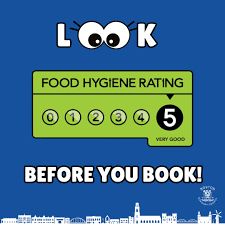
Ensuring restaurant hygiene is essential for consumer safety. Diners can verify standards by looking for official government-issued hygiene certificates and observing cues like staff cleanliness, restroom maintenance, and table tidiness. These proactive checks help avoid foodborne illnesses and encourage businesses to maintain high public health compliance.
Savvy diners can use simple visual cues and official ratings to verify restaurant safety before placing an order.
When dining out or ordering in, the difference between a memorable meal and a foodborne illness often comes down to the hygiene standards practiced behind the scenes. As health authorities emphasize, food safety is a critical public health concern, and consumers are increasingly encouraged to take an active role in verifying the cleanliness of the establishments they frequent. From checking for official hygiene certifications to observing staff behavior and facility upkeep, there are several practical steps diners can take to assess an eatery's commitment to sanitation.
The Role of Official Hygiene Ratings
In many regions, regulatory bodies—such as the Food Safety and Standards Authority of India (FSSAI) or local health departments—have implemented voluntary or mandatory hygiene rating schemes. These systems typically score restaurants on a scale of 1 to 5, providing a transparent snapshot of an establishment's compliance with safety regulations.
According to food safety experts, these ratings are often displayed prominently on the premises as certificates or "Food Safety Display Boards." A high rating indicates that the restaurant has undergone rigorous third-party audits covering areas like food storage, staff training, and pest management. If a restaurant does not display such a rating, consumers are encouraged to inquire about it or check official government portals to see if the establishment is registered and compliant.
Visual Cues: What to Watch For
Beyond official documentation, the physical environment of a restaurant often serves as a primary indicator of its internal safety culture. Whether you are entering a restaurant or picking up an order, experts suggest keeping an eye on these key areas:
Front-of-House Tidiness: A clean exterior, tidy entrance, and dust-free windows are strong indicators of a business that values attention to detail.
Table and Utensil Cleanliness: Sticky tables, dirty menus, or unpolished cutlery are common "pet peeves" that suggest poor cleaning protocols.
Restroom Condition: Public health advocates frequently cite the state of restrooms as a reflection of the overall kitchen hygiene. A poorly maintained restroom often suggests that sanitation is not a priority elsewhere in the building.
Employee Hygiene: Observe the staff. Food handlers should ideally be wearing clean uniforms, hair restraints (like hairnets or hats), and should not be handling food with dirty hands or after touching non-food surfaces without proper sanitization.
Why It Matters: Protecting Your Health
The implications of poor restaurant hygiene extend beyond just an unpleasant dining experience. Improper food handling can lead to the transmission of harmful pathogens. Official guidelines emphasize that temperature control—keeping hot foods above 60°C (140°F) and cold foods below 4°C (40°F)—is essential to prevent bacterial growth. Similarly, the clear segregation of raw and ready-to-eat foods is vital to avoid cross-contamination, a leading cause of foodborne illness.
When restaurants fail to enforce these standards, the risk to the consumer increases significantly. By being observant, diners can support businesses that prioritize safety while avoiding those that may be cutting corners.
Key Facts at a Glance
Check for Certification: Look for FSSAI hygiene rating certificates or similar local health department placards at the entrance.
Observe Staff: Proper hygiene includes staff wearing hairnets, clean uniforms, and maintaining visible handwashing protocols.
The Restroom Test: A dirty restroom is often a red flag for poor sanitation standards in the kitchen.
Temperature Matters: If you notice hot food sitting out at room temperature for extended periods, it may be a sign of improper time-temperature management.
Frequently Asked Questions
Q: What is the most important thing to look for when entering a restaurant?
A: Start with the overall cleanliness of the entrance, seating area, and the prominent display of a current health or hygiene inspection certificate.
Q: Can I ask the staff about their hygiene practices?
A: Yes. Simple questions, such as "Do you have a dedicated hand-wash station separate from dishwashing?" can often reveal if the establishment prioritizes safety standards.
Q: Should I avoid a restaurant if I see minor clutter?
A: While minor clutter may not always indicate a safety violation, persistent issues like dirty floors, unpleasant odors, or pest sightings are serious red flags that warrant caution.
Source: Food Safety and Standards Authority of India (FSSAI), FoodSafetyWorks, GOJO Industries, Bunzl Forté, 3M Food Service, Next Insurance, Miratag, AAA Food Handler.