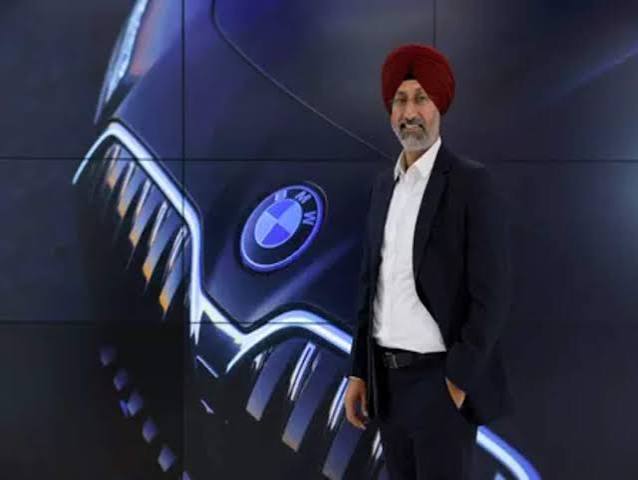
As the Indian automotive market experiences a significant shift toward sustainable mobility, BMW Group India has identified the development of charging infrastructure as the critical catalyst for widespread electric vehicle adoption. Hardeep Singh Brar, President and CEO of BMW Group India, recently noted that the growing availability of charging stations along major highways is directly influencing consumer confidence and reducing the barriers to premium electric vehicle ownership.
GURUGRAM – As the Indian automotive market experiences a significant shift toward sustainable mobility, BMW Group India has identified the development of charging infrastructure as the critical catalyst for widespread electric vehicle adoption. Hardeep Singh Brar, President and CEO of BMW Group India, recently noted that the growing availability of charging stations along major highways is directly influencing consumer confidence and reducing the barriers to premium electric vehicle ownership.
Speaking on the company's robust performance in the first half of 2026, Brar emphasized that enhanced infrastructure is no longer just a luxury convenience but a fundamental requirement for the maturity of the Indian EV market. "The growing network of charging stations on highways is playing a key role in making EVs more acceptable to Indian consumers," Brar stated, pointing to infrastructure improvements as a primary driver for the company's strong sales momentum.
Strengthening the EV Ecosystem
BMW Group India has reported a 17% year-on-year sales growth for the first half of 2026, with electric vehicles accounting for 25% of its total deliveries—effectively meaning every fourth vehicle sold by the brand was an EV. This surge in demand is attributed to a combination of a diverse product lineup, including the iX, i4, and i7 models, and a more robust charging ecosystem.
To further support this transition, BMW has been actively investing in charging solutions, including partnerships with third-party operators to expand coverage across key transit routes. By addressing range anxiety—a primary concern for prospective buyers—the company aims to sustain its lead in the electric luxury segment.
Commitment to Sustainable Growth
The company's strategic focus aligns with broader national efforts to expand EV charging networks. Industry observers note that while home charging remains the foundation for many urban EV owners, the ability to undertake longer-distance travel with reliable charging infrastructure is essential for the transition to electric mobility.
Looking ahead to the remainder of 2026, BMW Group India intends to continue its expansion into both established and emerging domestic markets. The brand plans to introduce 27 new products throughout the year, with a continued emphasis on sustainable, premium mobility solutions that resonate with the evolving preferences of the Indian luxury consumer.
Official Sources
According to sales reports and statements provided by BMW Group India, the company maintains a dominant position in the luxury EV segment. Financial and operational disclosures are managed in accordance with the group's commitment to transparency and premium service standards.
Why It Matters
For the Indian consumer, the development of highway charging infrastructure signifies a major milestone in the usability of electric vehicles. By bridging the gap between urban commuting and inter-city travel, the expansion of these networks allows more buyers to confidently consider electric alternatives to conventional internal combustion engines. For investors and industry stakeholders, the successful adoption of EVs within the premium segment serves as a positive indicator of the market's readiness for large-scale electric mobility transformation.
Key Facts at a Glance
Sales Performance: BMW Group India recorded a 17% year-on-year growth in H1 2026.
EV Market Penetration: Electric vehicles accounted for 25% of the total cars delivered by the brand in the first half of the year.
Infrastructure Focus: Enhanced highway charging networks are identified as the primary factor in mitigating range anxiety and increasing EV acceptance.
Expansion Strategy: The company plans to launch 27 new products in 2026 and significantly expand its network of touchpoints across India.
FAQ
Why is charging infrastructure critical for BMW’s EV strategy in India?
Infrastructure reduces range anxiety, enabling customers to use their premium EVs for long-distance travel, which is a major factor in the decision to switch from conventional fuel vehicles.
How does BMW support EV charging for its customers?
BMW invests in charging solutions, including partnerships with third-party operators, to increase coverage across essential highway routes.
What is the current EV lineup for BMW in India?
The company’s portfolio includes high-performance electric models such as the iX, i4, and i7, alongside the MINI Electric.
What are BMW’s growth targets for 2026?
The company plans to introduce 27 new products and expand its domestic footprint to 10 new markets, building on the 17% growth achieved in the first half of the year.
Source: BMW Group PressClub India, ETAuto, The Hindu