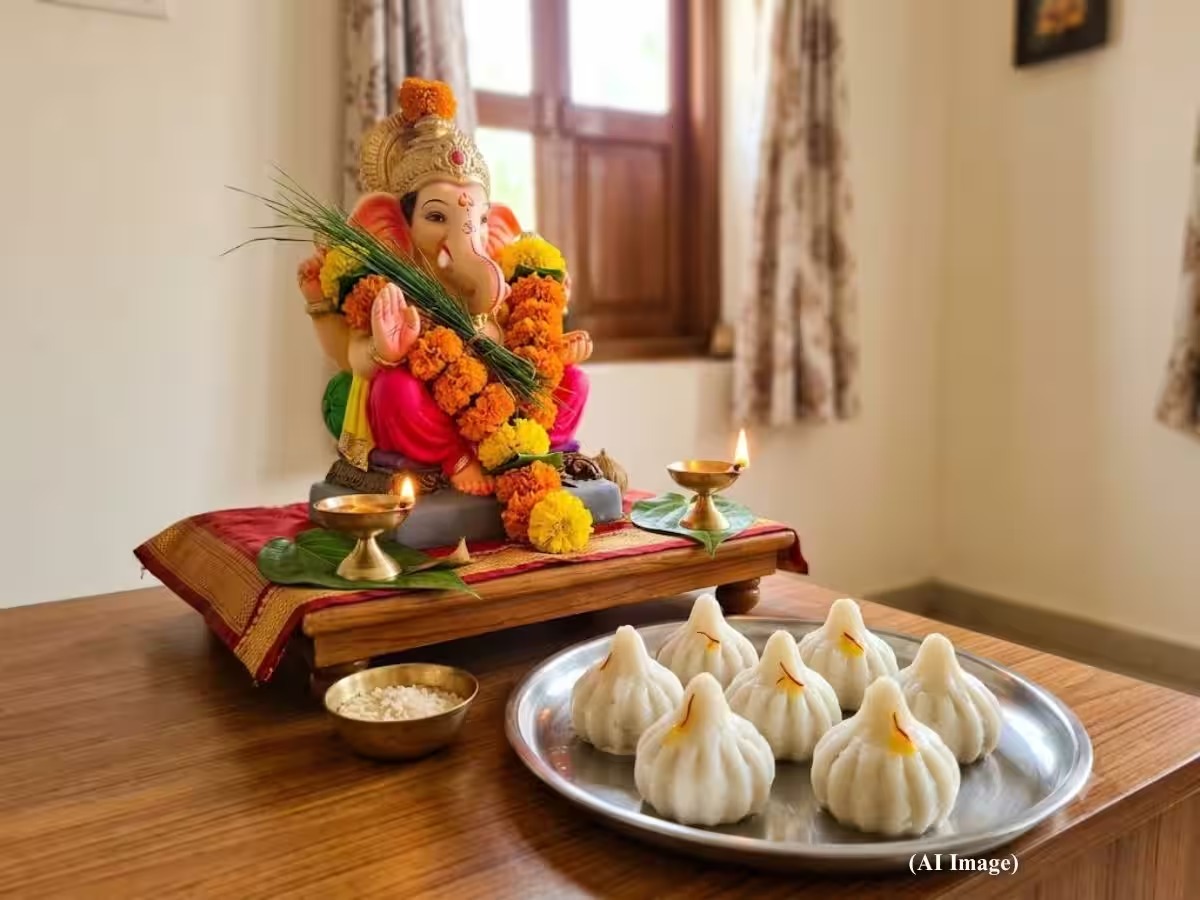
As Ganesh Chaturthi celebrations peak, home cooks are embracing simplified recipes for traditional and modern modaks. Official culinary guidelines highlight that managing dough moisture, utilizing molds, and using alternatives like condensed milk or dry fruits allow families to efficiently prepare festive sweets at home.
The annual Ganesh Chaturthi festival sees households nationwide embracing simplified, step-by-step culinary techniques to prepare traditional modaks at home.
As millions prepare to welcome Lord Ganesha into their homes for the ten-day festival, culinary interest has surged around accessible methods for crafting traditional and modern modak variations. Culinary experts, nutritionists, and event organizers have released streamlined guidelines to help home cooks master the delicate art of making soft, crack-free sweets without requiring professional training.
Traditional Steamed and Mawa Preparation Techniques
According to traditional food authorities and professional chefs, making authentic Ukadiche Modak (steamed rice-flour dumplings with a coconut-jaggery filling) requires precise water-to-flour ratios. Cooking experts emphasize that boiling water with a teaspoon of ghee and a pinch of salt before gradually mixing in rice flour creates an optimal, pliable dough.
For households seeking quicker alternatives, milk-powder-based Mawa Modaks and dry fruit variations have gained widespread traction. Nutritionists note that utilizing condensed milk or alternative sweeteners allows families to customize treats according to dietary preferences while maintaining the festive spirit.
Official Sources Section
According to official announcements and culinary guidelines issued by cultural organizations, food boards, and celebrity chefs, standardized recipes ensure consistent results for first-time practitioners. Culinary authorities emphasize that using grease-proof molds or adhering to traditional hand-pleating methods helps maintain structural integrity during the steaming or chilling process.
"Whether opting for classic steamed rice flour or quick-setting chocolate and dry fruit variations, the key to a successful modak lies in managing moisture levels and securing the outer seal properly," organizers stated.
Practical Implications for Households
Adopting simplified home-cooking protocols enables families to manage festival schedules efficiently while partaking in traditional rituals. Preparing modaks at home ensures ingredient quality, cost-effectiveness, and active participation from all family members during the sacred Madhyahna prayer periods.
Key Facts at a Glance
Primary Ingredient Options: Traditional variants utilize freshly grated coconut and jaggery, while modern quick recipes use milk powder, condensed milk, or crushed biscuits.
Cooking Time: Instant mawa and dry fruit modaks require approximately 15 to 25 minutes, whereas traditional steamed versions take up to 40 minutes.
Shaping Methods: Both traditional hand-pleating and convenient polymer modak molds are widely recommended to achieve uniform shapes.
Storage Guidelines: Steamed modaks are best consumed fresh, while chocolate and dry-fruit variants can be stored in airtight containers for up to a week.
Frequently Asked Questions
How can I prevent the outer dough of steamed modaks from cracking?
Keeping the rice-flour dough covered with a damp cloth while shaping prevents moisture loss. Kneading the warm dough with a few drops of warm water ensures a smooth, crack-free texture.
Can modaks be prepared without a specialized metal or plastic mold?
Yes. Traditional Ukadiche Modaks are hand-pleated by flattening small dough discs, creating an outer wall, adding the filling, and pinching the edges together at the top.
What are some quick alternatives to traditional khoya?
Home cooks frequently substitute store-bought khoya with milk powder combined with milk and butter or condensed milk to achieve a rich texture rapidly.
How long can homemade modaks be stored?
While traditional coconut-filled steamed modaks should be consumed within a day, nut-and-chocolate-based or roasted-dal modaks safely last up to a week when refrigerated in airtight containers.
Source: Ministry of Food Processing Industries, Nestlé MILKMAID Festive Cookbook, Chef Kunal Kapur Culinary Guides, Indiatoday Food Desk