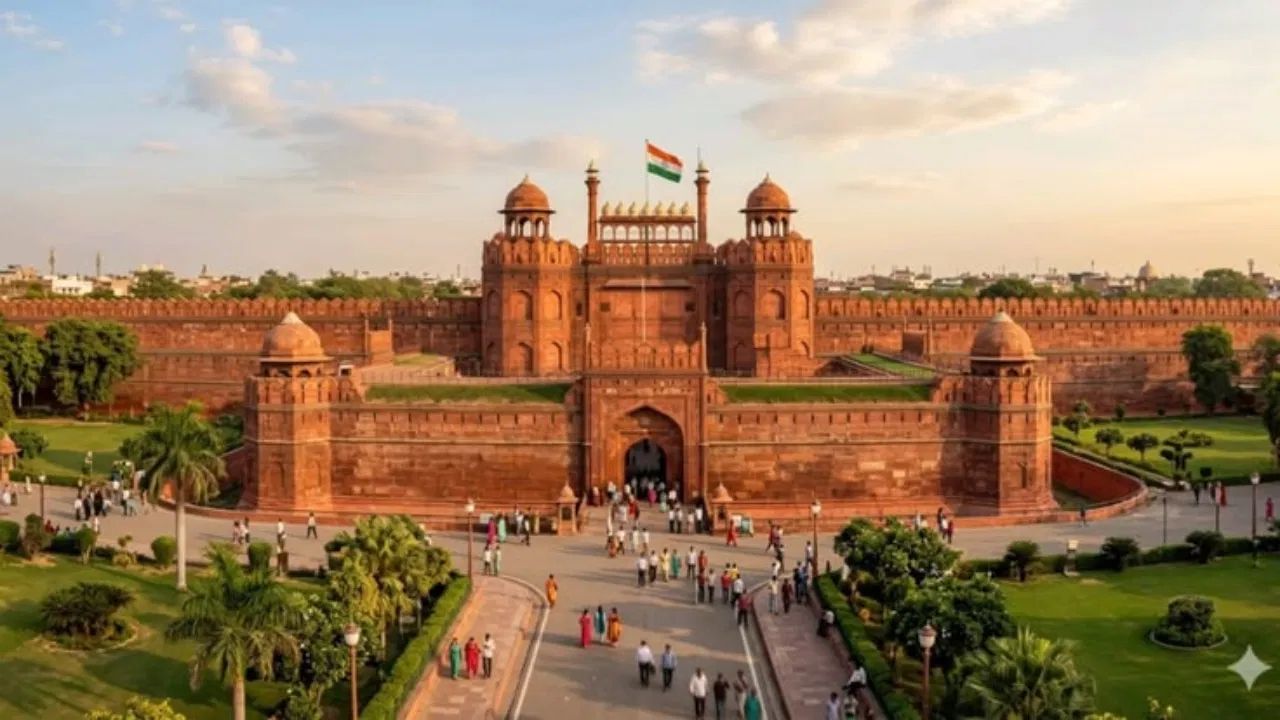
As India marks its national commemorations, exploring historic sites linked to the independence movement offers a profound way to connect with the nation's past. From the Red Fort in New Delhi to the Cellular Jail in Port Blair, ten vital landmarks stand as enduring reminders of extraordinary sacrifice and resilience.
Moving beyond conventional holiday routines, travelers across India are turning to iconic freedom struggle landmarks to experience the nation's historical legacy firsthand.
As citizens and travelers across the country observe Independence Day celebrations in August 2026, interest in heritage tourism has surged toward locations that witnessed pivotal moments in India's journey toward sovereignty. Rather than traditional leisure getaways, a growing segment of citizens is visiting historic monuments, memorial grounds, and colonial-era prisons to understand the immense sacrifices made by freedom fighters. According to cultural tourism reports released by heritage organizations, exploring sites directly connected to the independence movement provides a tangible connection to the past that standard academic texts cannot replicate.
Tracing the Pillars of India's Independence Movement
The landscape of India's freedom struggle is mapped across diverse geographical regions, each representing a unique chapter of resistance, non-violent philosophy, and ultimate triumph. Government cultural bodies and heritage event organizers emphasize that these landmarks preserve the collective memory of the nation.
Ten essential historical locations shaping this patriotic trail include:
Red Fort, New Delhi: The quintessential symbol of national sovereignty where the Prime Minister hoists the national flag every August 15.
Jallianwala Bagh, Amritsar: A solemn public garden bearing bullet-marked walls and serving as a poignant reminder of the tragic 1919 massacre.
Sabarmati Ashram, Ahmedabad: Mahatma Gandhi's sanctuary and the starting point of the historic 1930 Dandi Salt March.
Cellular Jail, Port Blair: The notorious 'Kala Pani' colonial prison in the Andaman Islands that held countless political prisoners under harsh conditions.
August Kranti Maidan, Mumbai: The historic ground where the Quit India Movement was proclaimed in August 1942.
Aga Khan Palace, Pune: The site where Mahatma Gandhi and other key leaders were interned during the Quit India movement.
Jhansi Fort, Uttar Pradesh: The formidable stronghold immortalized by the fierce leadership and resistance of Rani Lakshmibai during the Revolt of 1857.
Netaji Bhawan, Kolkata: The ancestral residence of Netaji Subhas Chandra Bose, preserving rare memorabilia of his revolutionary campaigns.
Kakori Shaheed Smarak, Uttar Pradesh: Honoring the courageous revolutionaries who executed the historic 1925 train action against the British administration.
Partition Museum, Amritsar: Located within Town Hall, it preserves the oral histories, personal relics, and emotional narratives of the 1947 partition.
Impact on Heritage Tourism and Local Communities
The annual surge of visitors toward these historical destinations significantly stimulates local economies, guides regional hospitality sectors, and promotes sustainable heritage awareness. Tourism boards and event organizers note that increased foot traffic encourages municipal bodies to upgrade preservation efforts, lighting installations, and educational exhibits. For citizens, families, and young students, walking through these authenticated spaces fosters a deeper appreciation for democratic values and civic responsibility.
Why It Matters
Engaging with India's historical milestones reinforces national identity and collective memory. For travelers and local communities alike, heritage tourism transforms a national holiday into an immersive educational journey that honors past sacrifices while inspiring future generations.
Key Facts at a Glance
Primary National Venue: The Red Fort in New Delhi hosts official state address and flag-hoisting ceremonies.
Key Movement Sites: Sabarmati Ashram and August Kranti Maidan represent major milestones in non-violent civil disobedience.
Memorial Significance: Cellular Jail and Jallianwala Bagh stand as eternal symbols of supreme sacrifice.
Educational Impact: Promotes heritage tourism, local economies, and deeper historical awareness among younger demographics.
FAQ Section
What are the most significant places to visit in India during Independence Day?
Key destinations include the Red Fort in Delhi, Jallianwala Bagh in Amritsar, Sabarmati Ashram in Ahmedabad, and the Cellular Jail in Port Blair.
Why is Sabarmati Ashram important to India's history?
It served as Mahatma Gandhi's headquarters for 13 years and marked the launching pad for the historic Dandi Salt March in 1930.
How do historic sites prepare for Independence Day visitors?
Cultural authorities enhance security protocols, organize special museum exhibitions, and run evening light-and-sound shows detailing the freedom struggle.
Where can travelers find verified guides and schedules for these landmarks?
Official schedules, entry timings, and ticketing details are accessible directly via the Incredible India Tourism Portal and the Ministry of Culture Official Website.
Source: Ministry of Culture, Government of India Portal, Archaeological Survey of India (ASI) Disclosures, Incredible India Tourism Portal, Universal Adventures Travel Guides