Eleven Power, a subsidiary of the Eleven Group, has proposed a ₹4,717 crore renewable-focused electricity network for Gurugram and Nuh. The bid, which seeks a parallel distribution licence, faces intense scrutiny from state utilities regarding the company's financial stability, ability to meet universal service obligations, and potential impact on existing cross-subsidy structures.
A private proposal to build a parallel electricity distribution network in Haryana has sparked regulatory scrutiny over financial viability and market competition concerns.
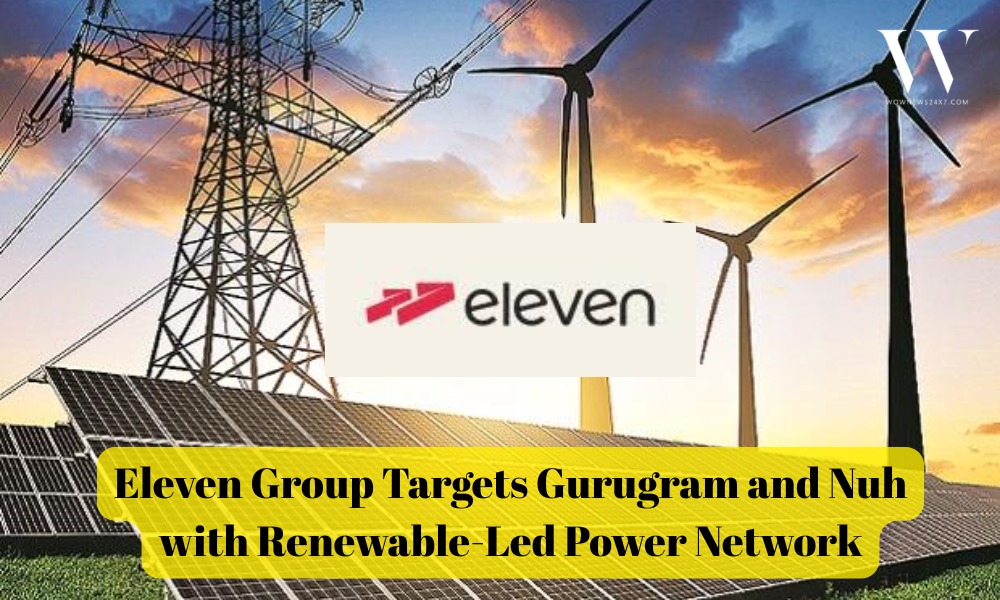
GURUGRAM — Eleven Power Private Limited, a subsidiary of the diversified Eleven Group, has petitioned the Haryana Electricity Regulatory Commission (HERC) for a parallel electricity distribution licence to operate in the Gurugram and Nuh districts. The company, chaired by Medanta co-founder Sunil Sachdeva, has proposed a capital expenditure of approximately ₹4,717 crore to develop a modern, renewable energy-focused grid aimed at providing reliable power to industrial, commercial, and residential consumers.
The proposal represents a potential shift in India’s power distribution sector, which has historically been dominated by state-owned utilities like the Dakshin Haryana Bijli Vitran Nigam (DHBVN). By leveraging Section 14 of the Electricity Act, 2003, Eleven Power aims to offer consumers an alternative supplier, promising an infrastructure composed of 80% renewable energy and 20% thermal power.
Regulatory Hurdles and Financial Scrutiny
The bid has encountered significant opposition from state power utilities, including DHBVN, the Uttar Haryana Bijli Vitran Nigam (UHBVN), and the Haryana Vidyut Prasaran Nigam (HVPN). During recent hearings, the HERC raised several critical questions regarding the company's financial capability and operational preparedness, noting that Eleven Power was incorporated only in 2025 with a paid-up capital of ₹1 crore.
Regulators and state utilities have flagged concerns over "cherry-picking," alleging that the company’s business model targets high-revenue industrial and commercial hubs near existing substations while potentially neglecting less profitable agricultural and rural segments. Furthermore, DHBVN has contested the project's cost estimates, asserting that establishing a robust distribution network in the region would require an investment closer to ₹11,398 crore—far exceeding the company's proposed budget.
Industry Impact and Strategic Objectives
Eleven Power maintains that its model is designed to support future energy requirements through digital, technology-driven infrastructure. According to the company, the network is intended to reduce reliance on diesel generators, which many residential societies and businesses currently depend on during frequent power outages. The company has established strategic alliances with firms such as Vision India Services, HEC Infra Projects, and Advait Energy Transitions Limited to support grid management and construction.
Official Sources
Haryana Electricity Regulatory Commission (HERC): Regulatory filings and interim orders regarding the parallel licence petition.
Dakshin Haryana Bijli Vitran Nigam (DHBVN): Official objections filed in response to the petition.
Eleven Power Private Limited: Project proposal documentation and company filings.
Quote Section
"The commission headed by chairperson, Nand Lal Sharma, noted apparent inconsistencies as Eleven Power was incorporated in June 2025, has an authorised share capital of ₹100 crore and paid-up share capital of just ₹1 crore, but has proposed to infuse equity of ₹1,415.02 crore," noted the HERC in a recent interim order.
Why It Matters
For residents and businesses in Gurugram and Nuh, the potential approval of a parallel licence could mark the first time they have a choice in electricity providers, potentially fostering competition and improving service reliability. However, the regulatory dispute highlights the challenges of introducing private competition into a sector where state utilities rely on cross-subsidies from high-value consumers to support rural and agricultural electricity needs.
Key Facts at a Glance
Proposed Investment: Approximately ₹4,717 crore, split into ₹1,415 crore equity and ₹3,302 crore debt.
Service Mix: 80% renewable energy and 20% thermal power.
Objective: To provide uninterrupted power and reduce dependence on diesel generators in Gurugram and Nuh.
Main Opposition: Dakshin Haryana Bijli Vitran Nigam (DHBVN), which currently holds an exclusive distribution mandate in the region.
FAQ
What is a parallel electricity distribution licence?
It allows more than one distribution company to operate in the same geographic area, enabling consumers to choose their electricity supplier as per the Electricity Act, 2003.
Why are state utilities opposing Eleven Power’s bid?
Utilities argue that the private firm may "cherry-pick" profitable industrial consumers, undermining the cross-subsidy model that keeps electricity affordable for rural and agricultural sectors.
What is the status of the petition?
The HERC is currently evaluating the proposal, having sought further evidence on the company's financial capability, implementation plans, and mandatory clearances from the Ministry of Defence and transmission authorities.
Source: The Economic Times, Hindustan Times, Eleven Power Regulatory Filing