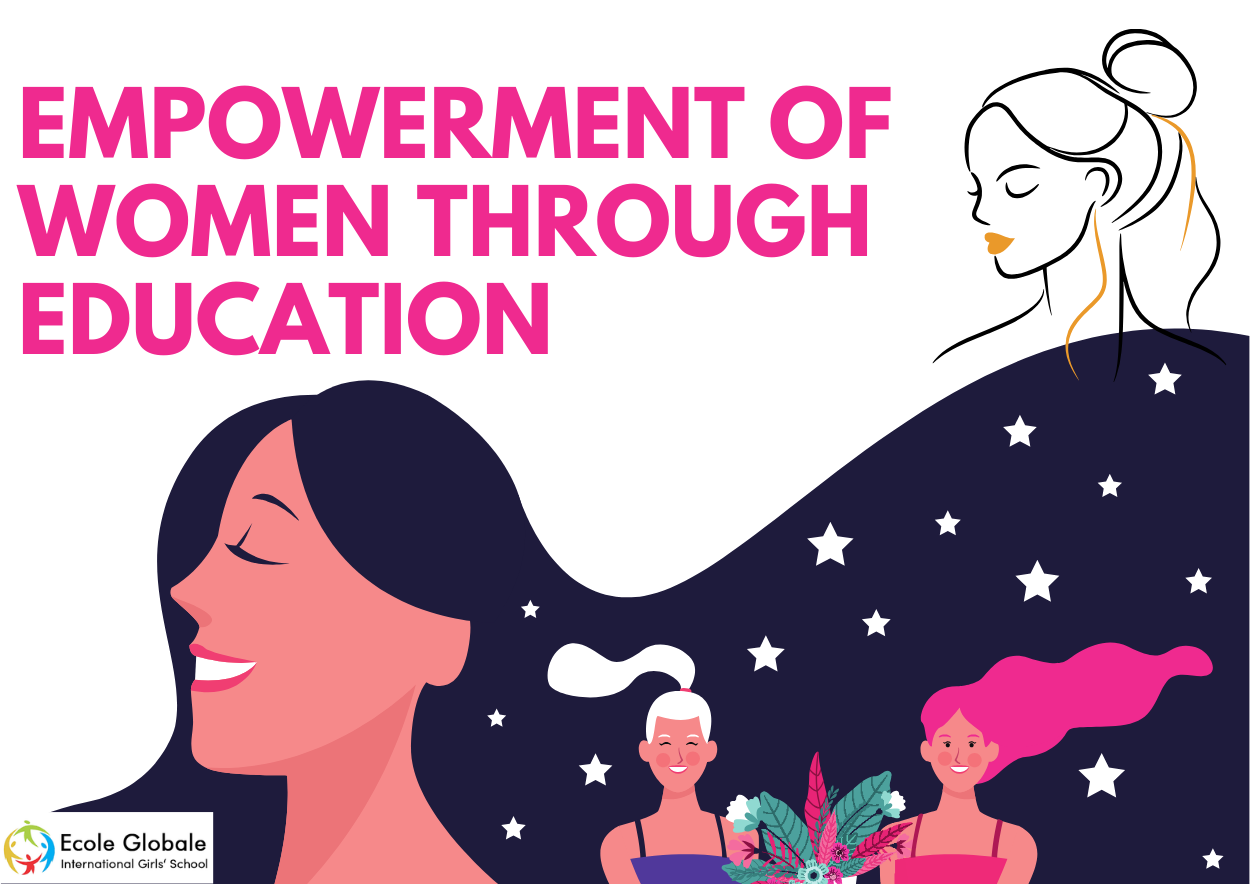
India's focus on women's empowerment has transitioned from basic educational access to comprehensive women-led development. By combining upgraded school infrastructure and district-level hostels with advanced tech-training and self-help group networks, policymakers are successfully driving female participation across higher education, entrepreneurship, and the formal workforce.
NEW DELHI — India’s national framework for gender equality has entered a definitive implementation phase, scaling targeted interventions across educational institutions and professional ecosystems. Moving well beyond primary enrollment metrics, recent policy designs emphasize continuous academic retention, advanced technical training, and secure pathways into the formal workforce.
Federal and state administrative bodies have accelerated structural support mechanisms, integrating gender inclusion directly into institutional funding, campus safety guidelines, and grassroots economic networks. This comprehensive lifecycle approach aims to convert foundational schooling into sustainable long-term economic independence and leadership agency.
Bridging Academic Retention and Advanced Skills
Educational data compiled by federal ministries highlights significant progress in narrowing historical gender gaps. Female gross enrollment ratios and retention rates have climbed steadily, bolstered by expanded infrastructure such as dedicated residential facilities, functional sanitation blocks, and specialized scholarship programs.
Furthermore, the implementation of the National Education Policy (NEP) has broadened multidisciplinary options, resulting in female graduates accounting for nearly 43% of total enrollments in Science, Technology, Engineering, and Mathematics (STEM) disciplines. To sustain this momentum into higher education and technical training, recent fiscal allocations have mandated the establishment of dedicated women’s hostels across every district, removing geographic and logistical barriers that previously forced many female students to truncate their studies.
According to official government reports, ministry disclosures, and institutional datasets:
Higher Education Inclusion: Female representation across universities and professional institutions continues to expand, reflecting near parity in aggregate enrollments.
Infrastructure Rollouts: Widespread deployment of separate sanitation facilities and functional basic amenities across 97% of public schools to curb secondary dropout rates.
District-Level Hostels: New budgetary provisions guarantee secure residential infrastructure for female students pursuing higher and technical education nationwide.
STEM Participation: Maintaining high proportional ratios of female graduates entering specialized technology and engineering fields.
Transitioning From Classrooms to Economic Independence
Beyond the classroom, structured community interventions are actively bridging the gap between education and formal market participation. Programs like the Deendayal Antyodaya Yojana–National Rural Livelihoods Mission have mobilized over 10 crore women into self-help groups (SHGs), fostering micro-enterprise creation and collective financial literacy.
Initiatives such as the Lakhpati Didi framework and the Namo Drone Didi scheme have equipped rural women with high-tech agricultural tools and specialized operational training, turning grassroots members into local technology entrepreneurs. Concurrently, digital literacy campaigns and expanded public procurement portals ensure that women-led micro-enterprises secure institutional contracts and direct bank transfers, bypassing traditional intermediaries.
Official Sources Section
Quote Section
"According to official administrative reports, India's trajectory has decisively shifted from basic women's welfare toward comprehensive women-led development, positioning female agency as the central pillar of long-term socio-economic progress."
Why It Matters
For the broader economy, integrating educated and technically skilled women into leadership and high-productivity sectors unlocks immense untapped growth potential. Ensuring seamless transitions from school environments to formal labor markets accelerates household financial stability, fosters generational health benefits, and strengthens national competitiveness on the global stage.
Key Facts at a Glance
Core Policy Shift: Transition from welfare schemes to comprehensive women-led development.
Key Support Structures: District-level girls' hostels, SHG networks, and specialized technical training.
Economic Integration: Millions of rural women mobilized through micro-finance and tech-enabled agricultural initiatives.
Target Objective: Sustainable elevation of household incomes and professional leadership representation.
FAQ Section
How has the focus of women's empowerment policies evolved in recent years?
Policy frameworks have shifted from basic welfare and primary literacy toward holistic "women-led development," focusing on secondary retention, technical skills, and economic leadership.
What measures are being taken to help female students pursue higher education?
Recent budgets mandate the creation of dedicated secure hostels in every district, alongside expanded scholarships, gender inclusion funds, and improved campus infrastructure.
How are rural women being integrated into the modern digital and tech economy?
Programs like the Namo Drone Didi initiative train women to operate advanced agricultural drones, while digital literacy drives expand access to online financial services and enterprise platforms.
Where can citizens review official performance data on women empowerment schemes?
Detailed progress reports, statistical dashboards, and ministry updates are published regularly through the Press Information Bureau Portal.
Source: Press Information Bureau, Ministry of Education, Drishti IAS Policy Reviews, Smile Foundation Reports