In a decisive statement that underscores India’s energy pragmatism, Finance Minister Nirmala Sitharaman confirmed on September 5, 2025, that India will continue purchasing crude oil from Russia, prioritizing national interest over geopolitical pressure. Speaking to Network18 and CNBC, Sitha...
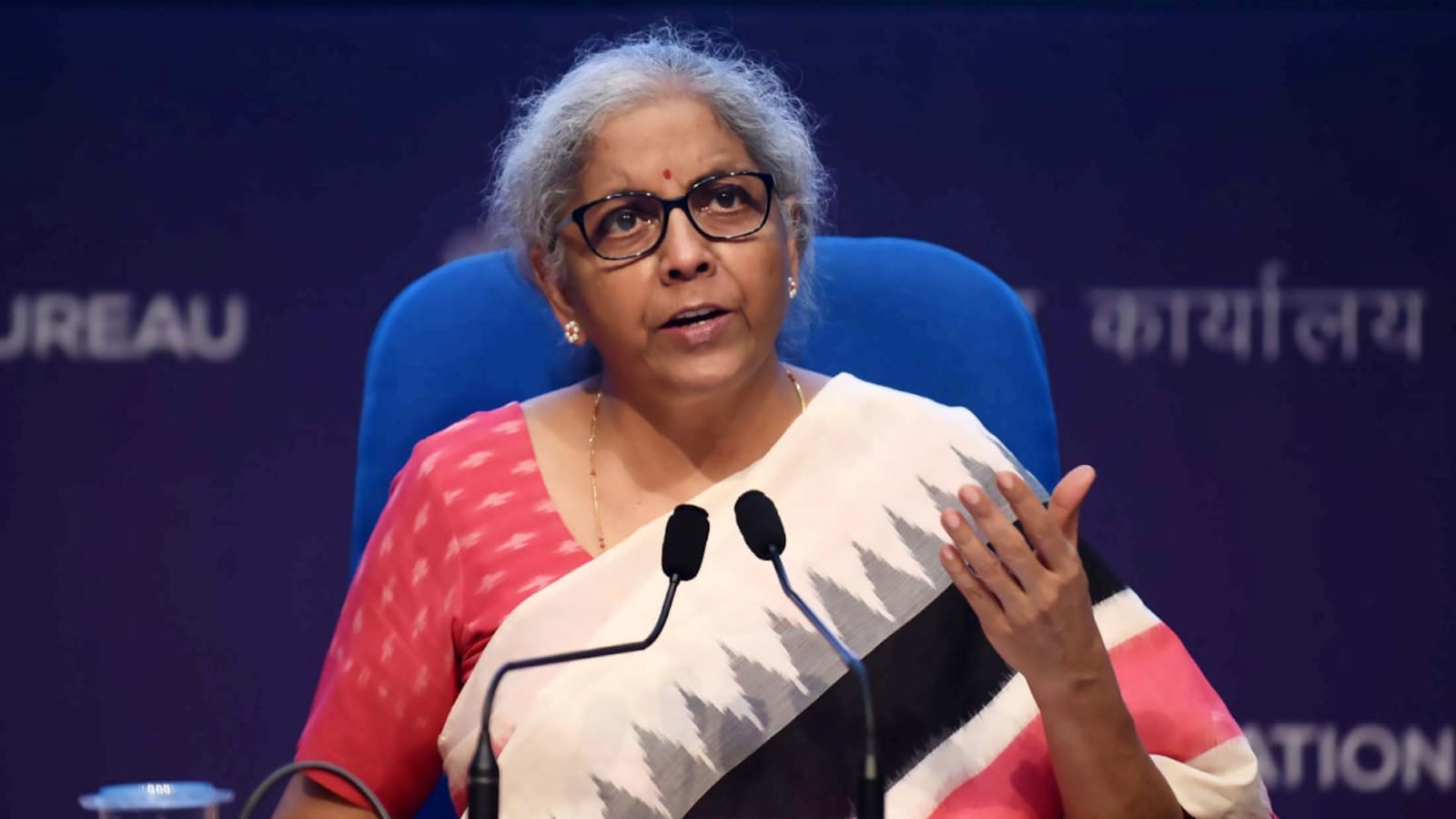
In a decisive statement that underscores India’s energy pragmatism, Finance Minister Nirmala Sitharaman confirmed on September 5, 2025, that India will continue purchasing crude oil from Russia, prioritizing national interest over geopolitical pressure. Speaking to Network18 and CNBC, Sitharaman emphasized that India’s energy decisions will be guided by affordability, accessibility, and strategic autonomy.
The announcement comes amid renewed scrutiny from Western powers, particularly the United States, which recently imposed steep tariffs on Indian exports in response to New Delhi’s continued oil trade with Moscow. Despite this, India remains firm in its stance, citing economic necessity and the need to secure stable energy supplies for its growing population and industrial base.
Key Highlights from the Minister’s Statement
• India will maintain its oil imports from Russia, citing national interest and energy affordability
• Sitharaman reiterated that decisions on sourcing oil will be made independently, based on what suits India’s needs
• The Finance Minister also addressed broader economic reforms, including GST rationalization and fiscal discipline
• She stressed the importance of building public trust and avoiding shortcuts in economic policymaking
Strategic Rationale Behind Continued Russian Oil Imports
1. Russian crude remains significantly cheaper than alternatives, with Urals-grade oil trading at a discount of 2 to 3 dollars per barrel compared to Brent benchmarks
2. India imported approximately 1.5 million barrels per day of Russian oil in August 2025, accounting for nearly 40 percent of its total crude needs
3. The discounted oil has helped Indian refiners like Reliance and Nayara Energy manage input costs and maintain competitive fuel prices domestically
4. With Russia’s refinery capacity reduced due to drone attacks, exporters have increased shipments to India, offering deeper discounts to secure market share
Geopolitical Tensions and Diplomatic Balancing
• The United States, under President Donald Trump’s administration, has responded with tariffs up to 50 percent on Indian exports such as garments and jewelry
• Indian officials have pushed back, accusing Western nations of double standards, as the EU and US continue to trade with Russia in other sectors
• Prime Minister Narendra Modi has embarked on diplomatic outreach, including meetings with Russian President Vladimir Putin, to reinforce bilateral ties
• India maintains that its energy trade is lawful and essential, and that punitive measures will not deter its sovereign decision-making
Economic Implications and Domestic Energy Strategy
• Continued access to discounted Russian oil supports India’s fiscal management by reducing the import bill and easing inflationary pressures
• Sitharaman highlighted the importance of fiscal discipline, noting that the fiscal deficit remains a key concern for the government
• The Finance Minister also discussed the progress of GST reforms, with 99 percent of goods and services now falling within the 5 to 18 percent tax bracket
• These reforms aim to reduce indirect tax burdens and improve compliance, contributing to long-term economic stability
Investor Sentiment and Market Response
• The reaffirmation of Russian oil imports has been met with cautious optimism in energy markets, with Indian oil stocks showing mild gains
• Analysts believe that unless global sanctions tighten further, India will continue leveraging Russian crude to balance its energy mix
• Brokerage firms estimate that a sudden halt in Russian oil purchases could reduce global supply by nearly one million barrels per day, triggering price volatility
Looking Ahead
India’s decision to continue buying Russian oil reflects a calculated approach to energy security, economic resilience, and diplomatic independence. As global dynamics shift and pressures mount, New Delhi remains committed to safeguarding its strategic interests. The Finance Minister’s statement reinforces that India will not compromise on affordability or autonomy, even in the face of external criticism.
Sources: Economic Times, India Today, Financial Express.