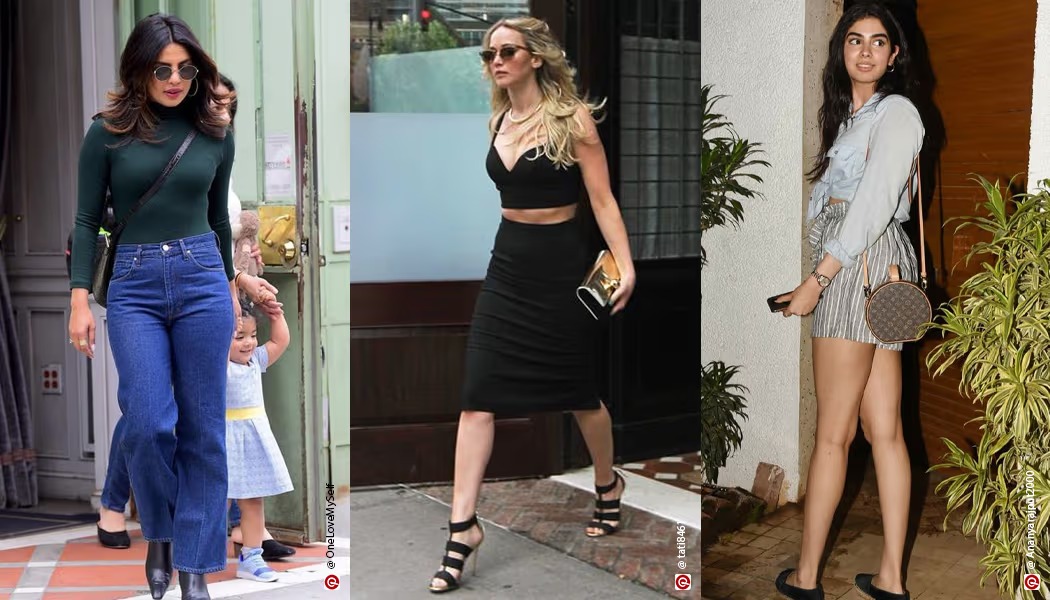
A functional wardrobe is built upon eight essential types of bottom wear: jeans, pencil skirts, tailored trousers, wide-leg pants, midi skirts, chinos, leggings, and A-line skirts. By prioritizing these versatile, durable, and timeless silhouettes, individuals can achieve a cohesive style suitable for both professional and casual environments.
MUMBAI — A well-rounded wardrobe relies on a strategic selection of versatile bottom wear, designed to transition seamlessly across various environments. Fashion industry analysts and garment stylists emphasize that prioritizing timeless silhouettes over trend-driven pieces allows for greater efficiency in daily dressing and long-term wardrobe sustainability.
As consumer preferences shift toward functional minimalism, building a foundation of staple items has become increasingly important. Whether navigating corporate environments, formal events, or casual weekends, having the right variety ensures that clothing serves the wearer's lifestyle needs effectively.
Foundational Bottom Wear Categories
A professional wardrobe typically requires a combination of structured tailoring and adaptable casual wear. According to fashion consultants, the following eight categories represent the essential components of a functional collection:
1. Classic Blue Jeans
As a universal staple, denim remains the cornerstone of casual wear. High-quality indigo denim in a straight or slim-cut provides high durability and pairing versatility, functioning effectively in both relaxed work settings and social environments.
2. The Pencil Skirt
Tailored for professional settings, the pencil skirt is defined by its narrow, form-fitting cut. It is a critical component for formal business attire, offering a sharp silhouette that complements blouses and structured blazers.
3. Tailored Trousers
Structured trousers, often in neutral tones like black, navy, or charcoal, are indispensable for office environments. These pieces are typically constructed from wool blends or high-density cotton, providing a polished look that pairs well with professional footwear.
4. Wide-Leg Pants
Offering a balance between comfort and style, wide-leg trousers have become a standard in modern professional attire. Their fluid movement and breathable fit make them suitable for all-day wear, providing a contemporary alternative to traditional slim-fit cuts.
5. Midi Skirts
The midi skirt—generally falling between the knee and ankle—offers significant styling flexibility. Depending on the fabric, it can be styled with casual knitwear or formal tops, making it a reliable choice for multi-purpose occasions.
6. Chinos or Khakis
For semi-formal or "business casual" settings, chinos provide a lighter, more relaxed alternative to wool trousers. Their cotton-based construction makes them a durable and low-maintenance option for frequent use.
7. Black Leggings
High-quality, opaque leggings are recognized for their role in activewear and casual layering. When selected in premium, dense fabrics, they serve as a practical foundation for comfortable travel or light exercise.
8. The A-Line Skirt
Known for its flattering, flared silhouette, the A-line skirt is a timeless addition that provides a distinct contrast to more fitted pieces. Its structure is well-suited for a variety of body types and pairs easily with both casual tees and dressier tops.
Strategic Wardrobe Planning
The transition toward more intentional clothing choices is supported by current industry standards that promote quality over quantity. By investing in these eight core categories, individuals can reduce decision fatigue and ensure their clothing remains relevant across seasons.
Consultants suggest that when selecting these items, the focus should remain on fabric composition, such as cotton, wool, and durable synthetic blends, which contribute to the longevity of the garment. Adhering to neutral color palettes—such as black, beige, navy, and white—further enhances the ability to mix and match different pieces within the wardrobe.
Official Sources Section
The identification of these staple items is consistent with industry-standard fashion guidelines provided by textile associations and professional wardrobe consulting firms. Market trends regarding apparel utility are frequently monitored by global retail analysts to ensure consumers are informed about durable investment pieces.
Quote Section
"According to industry stylists, a cohesive wardrobe is built upon the principle of versatility, where each piece of bottom wear is chosen for its ability to integrate with multiple tops and accessories, thereby maximizing the utility of every garment owned."
Why It Matters
For the average consumer, curating a selection of essential bottom wear is an exercise in time and financial management. A well-organized wardrobe simplifies morning routines and minimizes the need for frequent, impulse-driven purchases. By centering a closet around these eight classic styles, consumers can maintain a polished professional appearance while ensuring comfort and functionality in their personal lives.
Key Facts at a Glance
Versatility: The eight identified styles cover casual, business-casual, and formal professional requirements.
Sustainability: Focusing on staple pieces contributes to longer-lasting wardrobes and reduced clothing waste.
Material Focus: Durable fabrics like cotton blends and wool are recommended for daily-use items.
Color Strategy: Neutral tones are considered the most effective for achieving maximum outfit coordination.
FAQ
Why are these eight styles considered essential?
These pieces represent the core requirements for diverse social and professional settings, ensuring the wearer is appropriately dressed for most standard occasions.
Should wardrobe staples be replaced seasonally?
No, the strength of these classic styles lies in their timeless nature; they are designed to remain relevant for years if maintained properly.
What is the best way to maintain these garments?
Following the specific care instructions on garment labels, such as cold-water washing for denim and dry cleaning for wool trousers, is essential for preserving the fabric structure.
Source: Fashion Business Association, Textile Industry Insights