The Indian motor insurance market is evolving as high-tech EVs and connected vehicles become mainstream. Insurers are countering rising repair inflation through data-driven usage-based pricing and specialized add-ons, moving away from traditional models to address the unique financial risks associated with battery damage, software complexity, and modern automotive maintenance.
The Indian motor insurance sector is undergoing a structural transformation in 2026, driven by a surge in electric vehicle (EV) adoption, escalating repair costs for "connected" cars, and a significant rise in overall claim severity. As India’s automotive landscape shifts, insurers are moving away from legacy pricing models toward data-driven, personalized coverage.
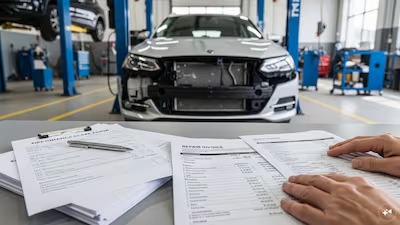
For vehicle owners, the change is increasingly visible in rising renewal premiums. Industry data reveals that premiums for both internal combustion engine (ICE) vehicles and EVs have been on an upward trajectory, largely due to "repair inflation"—the ballooning cost of spare parts and specialized labor for modern, software-dependent vehicles.
The EV Factor: Why Coverage Costs More
Electric vehicles represent the most significant shift in the insurance ecosystem. While EVs typically have fewer moving parts, their underlying technology—specifically high-voltage lithium-ion batteries and sophisticated electronic control units—introduces new financial risks.
Battery Exposure: Lithium-ion batteries can account for 40% to 50% of an EV's Insured Declared Value (IDV). Damage to these components, often caused by water ingress in flood-prone regions like Mumbai or Chennai, can lead to claims exceeding lakhs of rupees.
Repair Specialization: EVs require certified technicians and specialized diagnostic tools. The current shortfall in skilled labor for EV repair, combined with limited service networks, increases the time vehicles spend in garages, thereby raising "loss of use" claim costs.
EV-Specific Add-ons: To manage these risks, insurers are shifting from "bare-minimum" policies to comprehensive EV-focused products. By 2026, add-ons such as battery protection, charger-and-wiring coverage, and BMS (Battery Management System) failure covers have transitioned from "optional" to "essential" for most new EV buyers.
Connected Cars and Data-Driven Pricing
The rise of "connected" cars—vehicles equipped with GPS navigation, real-time battery monitoring, and mobile app integration—is providing insurers with unprecedented data. This technology is fueling the growth of usage-based insurance (UBI), such as Pay-As-You-Drive (PAYD) or Pay-As-You-Go (PAYG) policies.
According to industry trends observed in FY26, roughly 15–20% of EV insurance buyers have already transitioned to these usage-based models. By analyzing charging behavior, driving patterns, and telematics data, insurers can now offer "personalized pricing" rather than relying on standard risk pools. This allows low-mileage or safer drivers to potentially lower their premiums, marking a shift toward more equitable and performance-based insurance costs.
Why It Matters
For the average consumer, motor insurance is no longer a static yearly expense but a complex financial product. The convergence of inflation in the automotive supply chain and the high-tech nature of modern cars means that standard comprehensive plans often prove insufficient. Experts warn that choosing basic coverage for an EV or a highly connected car could lead to significant out-of-pocket expenses during a major claim.
The Insurance Regulatory and Development Authority of India (IRDAI) has facilitated this shift through "Use & File" reforms, which allow insurers to launch and iterate on specialized EV products without lengthy prior approval cycles. This regulatory agility has enabled the rapid rollout of customized covers tailored to the evolving risk profiles of modern Indian drivers.
Key Facts at a Glance
EV Adoption: India has seen a 2.5x year-on-year rise in EV insurance purchases, signaling a major shift in the motor portfolio.
Repair Inflation: Costs for repairing modern, tech-heavy vehicles are currently 20–30% higher than traditional ICE vehicles due to parts complexity.
Add-on Penetration: In 2026, 96% of new EV buyers opted for Zero Depreciation cover, while 83% included Roadside Assistance, indicating a preference for comprehensive protection.
Usage-Based Shift: 15–20% of EV insurance buyers now prefer PAYD (Pay-As-You-Drive) models to optimize premium costs.
FAQ
Why are my insurance premiums rising even without any claims?
Premiums are increasing due to systemic "repair inflation"—the rising cost of advanced spare parts and specialized labor—and an uptick in claim severity from natural disasters like floods, which insurers must account for in their risk pricing.
What is the benefit of usage-based insurance?
Usage-based insurance (like Pay-As-You-Drive) allows low-mileage drivers to pay premiums based on their actual vehicle usage, effectively reducing costs without sacrificing comprehensive coverage.
Should I buy an EV-specific insurance policy?
Yes. Traditional motor policies often do not cover expensive components like the battery, charger, or electrical breakdown. EV-specific add-ons are designed to cover these high-value risks.
How does my connected car affect my premium?
If your vehicle transmits telematics data, some insurers now use this to assess your driving habits. Safer driving and consistent maintenance may eventually qualify you for lower, personalized insurance premiums.
Source: Ecofy: EV Insurance Trends 2026, TATA AIG: Motor Insurance Insights, Zurich Kotak: EV Insurance Calculation, CARE Ratings: Insurance Sector Report Jan 2026.