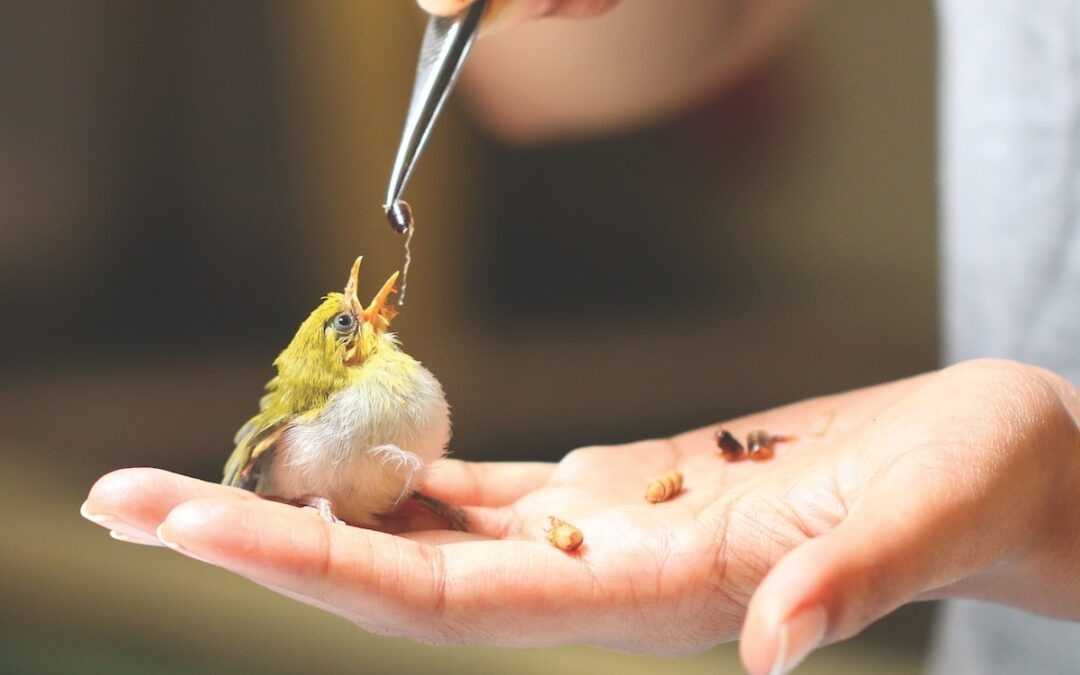
As urbanization threatens wildlife, a dedicated network of Indian citizens and rescue centers is rising to the challenge. By providing medical care and fostering community-led conservation, these "Good Samaritans" are ensuring that urban birds have a fighting chance, proving that human intervention can successfully mitigate the hazards of modern development.
As rapid urbanization across India creates new hazards for wildlife, a growing network of citizens and specialized centers are stepping in to provide a vital lifeline for injured urban birds.
NEW DELHI – In the heart of India’s bustling capital, where summer temperatures frequently climb to dangerous levels, the plight of urban birds has become a pressing concern. During the heatwaves of May 2026, many birds were found incapacitated, fainting from the blaze—a sobering reminder of the challenges wildlife faces in the Anthropocene Age. In response, a quiet revolution of "Good Samaritans" has emerged, using everything from app-based delivery services to dedicated volunteer networks to ensure these creatures receive a second chance at life.
The Frontlines of Urban Conservation
Across the National Capital Region (NCR) and beyond, specialized facilities have become sanctuaries for the city's feathered inhabitants. At the Bird Charity Hospital in Gurugram, run by a local Jain Mandir trust, hundreds of birds—ranging from pigeons and raptors to colorful peacocks—are treated free of cost. Dr. Raj Kumar, a veterinarian at the facility, notes that the center has treated over 100,000 birds since its inception in 2009.
These centers operate with a clear mission: provide medical intervention and rehabilitation, followed by release back into the wild. Whether it is an avian pox infection or injuries caused by kite strings, the dedication of these centers ensures that urban wildlife is not left to perish in the concrete jungle.
Citizen Science and Community Action
Beyond professional rescue centers, 2026 has seen a surge in community-led conservation efforts. Programs like the Delhi Hornbill Nest Monitoring initiative are empowering citizens to participate in "citizen science," where volunteers document nesting success and species interactions. By engaging the public in biodiversity monitoring, these programs foster a sense of guardianship over urban nature.
In Hyderabad, the Animal Warriors Conservation Society (AWCS) has established the Bird Rehabilitation and Awareness Center (BRAC) to specifically address the threats posed by rapid urbanization, such as glass collisions, electrocution, and the seasonal dangers of kite strings. Their work highlights that conservation is not just for experts but requires active community participation.
A Growing Movement
The impact of these volunteers is profound. According to officials at rescue organizations, timely intervention by citizens is the single most critical factor in successful wildlife rehabilitation. By acting as the bridge between an injured animal and a medical facility, these individuals are helping to restore balance to urban ecosystems that have been disrupted by human development.
Key Facts at a Glance
Rapid Rescue: In March 2026 alone, the Wildlife SOS Rapid Response Unit in Delhi-NCR rescued 182 animals, including 126 birds.
Community-Led: Specialized bird hospitals operate as community-driven efforts, often funded by trusts and donations, providing treatment free of cost.
Citizen Participation: Programs like the Delhi Hornbill Nest Monitoring Programme provide standardized training for volunteers to collect real-world conservation data.
Urban Threats: Common hazards for urban birds include kite strings (manja), glass window collisions, heatwaves, and power line accidents.
FAQ
What should I do if I find an injured bird? Contact your nearest wildlife rescue helpline immediately. In Delhi-NCR, you can reach the Wildlife SOS helpline at +91 9871963535.
Why is urban bird rehabilitation important? Birds play essential roles in pest control, pollination, and seed dispersal, which are vital for maintaining a balanced urban ecosystem.
Can anyone volunteer? Yes, many organizations, including the AWCS and WWF-India, offer training sessions for volunteers to learn safe rescue techniques and first aid.
Source:
Livemint: The good samaritans who care for our feathered friends, Wildlife SOS: March 2026 Rescues, WWF-India: Hornbill Monitoring Programme 2026, Animal Warriors Conservation Society