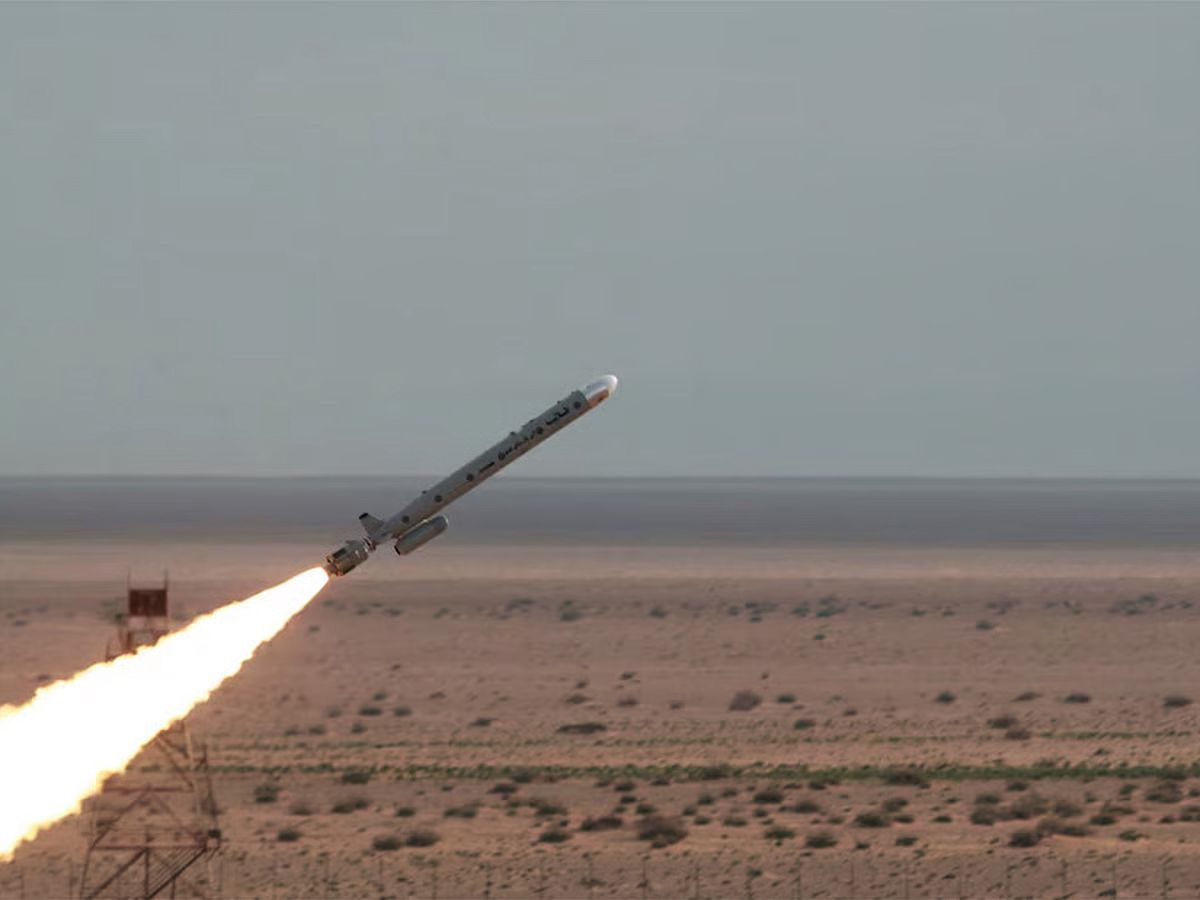
India's Ministry of Defence approved the transfer of DRDO-developed technologies for all conventional missile systems to domestic private companies. Aimed at breaking state-run monopolies, accelerating mass production, and building robust defense stockpiles, the policy shift marks a milestone in achieving military self-reliance and modernizing the country's industrial base.
Backed by official defense ministry disclosures, India is dismantling decades of state monopoly by enabling private companies to manufacture advanced conventional missile systems.
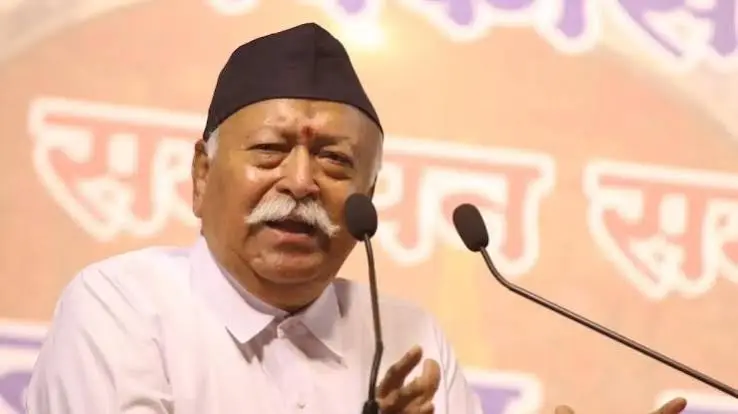
In a landmark policy shift designed to overhaul national security manufacturing, the Indian government is enlisting private enterprise to scale up military readiness. According to official announcements released by the Ministry of Defence in New Delhi, Defence Minister Rajnath Singh approved the formal transfer of technologies (ToT) developed by the Defence Research and Development Organisation (DRDO) for all conventional missile systems to qualified domestic private defense companies.
The decision marks a definitive departure from a decades-long framework where state-run entities and laboratories held exclusive rights over guided-weapon production. By welcoming private manufacturers into prime integration roles, the administration seeks to accelerate the transition of missile systems from initial development to mass production, curb import dependence, and build formidable domestic stockpiles.
Dismantling State Monopolies and Expanding Industrial Base
For years, state-owned enterprises such as Bharat Dynamics Limited (BDL) maintained a virtual monopoly over indigenous missile production. Under the newly enacted guidelines, private sector companies that meet strict technical, certification, and regulatory standards are eligible to compete for production rights. According to implementation briefs and institutional analysis published via The New Indian Express Explainer Desk and Defense News, key structural changes include:
Broadening the Supply Chain: The policy creates expansive opportunities for Indian micro, small, and medium-sized enterprises (MSMEs) and specialized technology partners to integrate into advanced defense supply chains.
Retaining Quality Control: While private firms take charge of series manufacturing and scaling, DRDO will retain ultimate responsibility for design certification and stringent quality assurance.
Lessons from Global Conflicts: Strategic reviews indicate that ongoing modern conflicts in Eastern Europe and the Middle East exposed vulnerabilities regarding how quickly nations exhaust precision-strike inventories, prompting New Delhi to prioritize deep reserve stockpiles.
Scaling Up Major Assets: Systems ranging from tactical air-defense and air-to-air missiles to advanced strike platforms are slated to benefit from diversified industrial assembly lines.
Why It Matters
The practical implications of opening conventional missile manufacturing to private corporations resonate across national security, economic investment, and technological growth. For the armed forces, diversified manufacturing lines resolve bottlenecks caused by stretched public-sector capacities, ensuring rapid inventory replenishment during contingencies. For private industrial conglomerates and investors, the move unlocks avenues to move up the high-value defense value chain, reinforcing India's broader ambition of achieving self-reliance (Atmanirbhar Bharat) in military hardware.
Key Facts at a Glance
Policy Initiative: Transfer of DRDO conventional missile technologies to the private sector.
Approving Authority: Union Defence Minister Rajnath Singh.
Primary Objective: Accelerating mass production, reducing import dependence, and building robust military stockpiles.
Regulatory Oversight: DRDO maintains design certification and quality assurance responsibilities.
Ecosystem Impact: Expands participation opportunities for domestic MSMEs and private defense integrators.
FAQ Section
What policy change has the Indian government introduced regarding missile production?
The Ministry of Defence approved the transfer of DRDO-developed technologies for all conventional missile systems to qualified Indian private defense companies, ending exclusive state production monopolies.
Why is India expanding missile manufacturing to the private sector?
The move is designed to accelerate production speeds, reduce reliance on imports, involve MSMEs, and build deep reserve stockpiles capable of sustaining prolonged security contingencies.
Will private companies design the missiles, or only manufacture them?
Private firms will handle industrial production and integration based on transferred technologies, while DRDO retains responsibility for design certification and quality assurance.
Where can stakeholders track official defense acquisition policies and updates?
Official guidelines, procurement procedures, and ministerial announcements are published directly on the Ministry of Defence Official Portal.
Source: The New Indian Express, Defense News, Ministry of Defence India, Newswire.lk