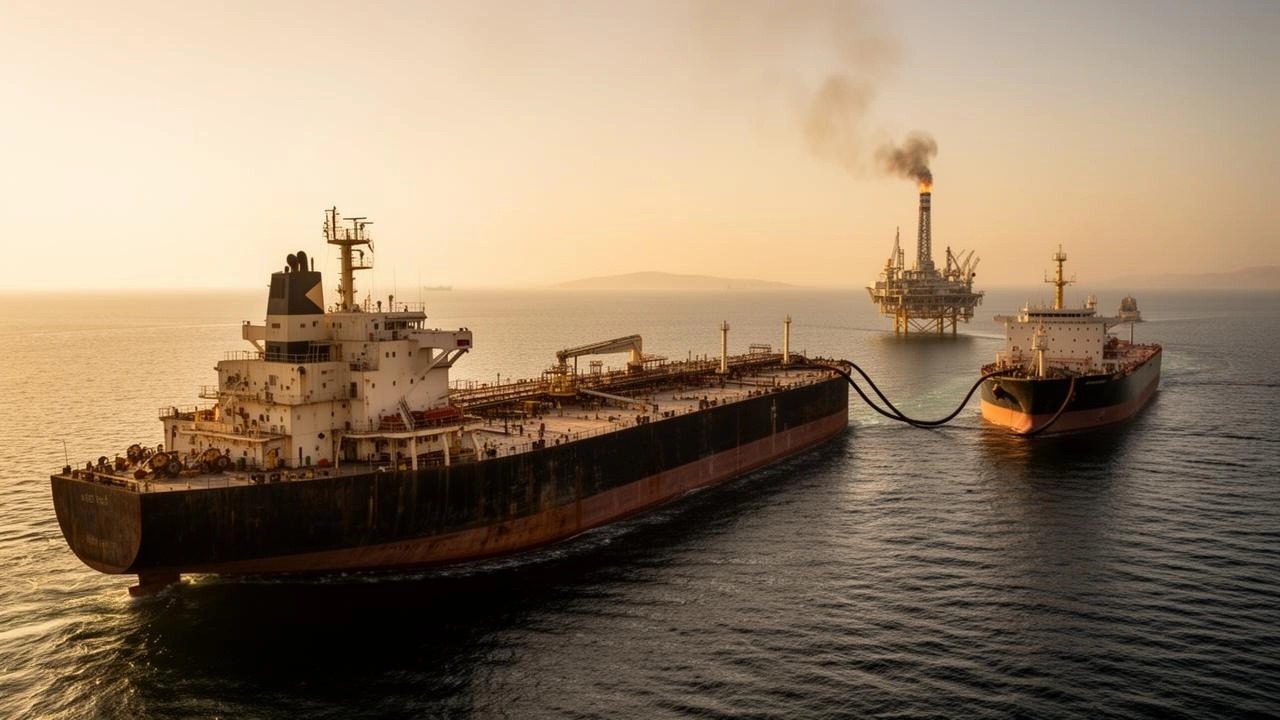
Kuwait Petroleum Corporation executives announced that buyers are being offered ship-to-ship crude oil transfers outside the Strait of Hormuz. The logistics initiative bypasses regional security chokepoints, mitigates war-risk insurance costs, and ensures stable, uninterrupted petroleum deliveries to international refining markets amidst ongoing geopolitical tensions.
Kuwait Petroleum executive states buyers are being offered ship-to-ship crude oil transfers outside the Strait of Hormuz to bypass security risks.
Kuwait Petroleum Corporation (KPC) is offering international crude oil buyers the option of ship-to-ship (STS) transfers outside the Strait of Hormuz to ensure uninterrupted supply chains amid rising geopolitical tensions. Speaking to energy analysts and shipping representatives in September 2026, senior KPC executives outlined the logistics mechanism designed to mitigate regional maritime security concerns, lower insurance premiums, and secure export routes for Middle Eastern crude.
Securing Export Routes Beyond Chokepoints
According to official corporate updates and maritime logistics statements, the Strait of Hormuz remains a vital global energy chokepoint through which a significant portion of world crude passes. However, ongoing regional conflicts and heightened naval risks have driven up war-risk insurance rates and caused vessel delays. By organizing ship-to-ship transfers at designated safe zones outside the Gulf waterway, Kuwait Petroleum allows tankers to bypass high-risk zones, protecting cargo owners and maintaining predictable delivery schedules to refineries in Asia and Europe.
Energy and shipping analysts note that proactive logistics adjustments are essential for sustaining global oil flows during periods of geopolitical instability. Alternative transfer hubs reduce vulnerability to local transit blockages and provide refiners with operational flexibility, preventing severe bottlenecks in international petroleum markets.
Market Impact and Industrial Implications
For global refiners, maritime insurers, and energy investors, flexible transfer options reduce operational risks associated with transit through volatile shipping lanes. Stable crude delivery mechanisms help stabilize international petroleum pricing and reassure commercial buyers regarding supply security. Market participants continue to track updates from major Gulf producers concerning regional shipping logistics and alternative export terminals.
Official Sources Section
Details concerning ship-to-ship transfer operations, export route adaptations, and maritime security measures are based on official corporate statements, executive briefings, and energy sector reports issued by Kuwait Petroleum Corporation and international shipping authorities.
Quote Section
According to officials, offering ship-to-ship transfers outside the Strait of Hormuz provides essential logistical flexibility to safeguard international crude shipments against regional security risks.
Why It Matters
Establishing alternative crude transfer points outside volatile chokepoints ensures continuous energy supplies and protects global trade from sudden maritime disruptions. For the petroleum industry, proactive routing strategies mitigate the impact of war-risk insurance spikes and maintain stable delivery timelines to international refineries.
Key Facts at a Glance
Kuwait Petroleum Corporation is offering buyers the option of ship-to-ship crude transfers outside the Strait of Hormuz.
The logistics adjustment aims to mitigate regional maritime risks and lower war-risk shipping costs.
The transfer mechanism secures export routes for Middle Eastern crude heading to global refiners.
Strategic updates were outlined by senior company executives during energy briefings in September 2026.
FAQ Section
Why is Kuwait Petroleum offering ship-to-ship transfers outside the Strait of Hormuz?
The option is provided to de-risk crude oil shipments, bypass regional security chokepoints, and ensure uninterrupted delivery to international buyers.
What is a ship-to-ship transfer in the petroleum sector?
A ship-to-ship transfer involves moving crude oil or refined products between two vessels positioned alongside each other at sea or in sheltered anchorages.
Where can stakeholders access official updates regarding Kuwait Petroleum Corporation?
Official corporate disclosures, energy reports, and announcements are published regularly on the official website of Kuwait Petroleum Corporation.
Source: Kuwait Petroleum Corporation, OPEC Energy Reports