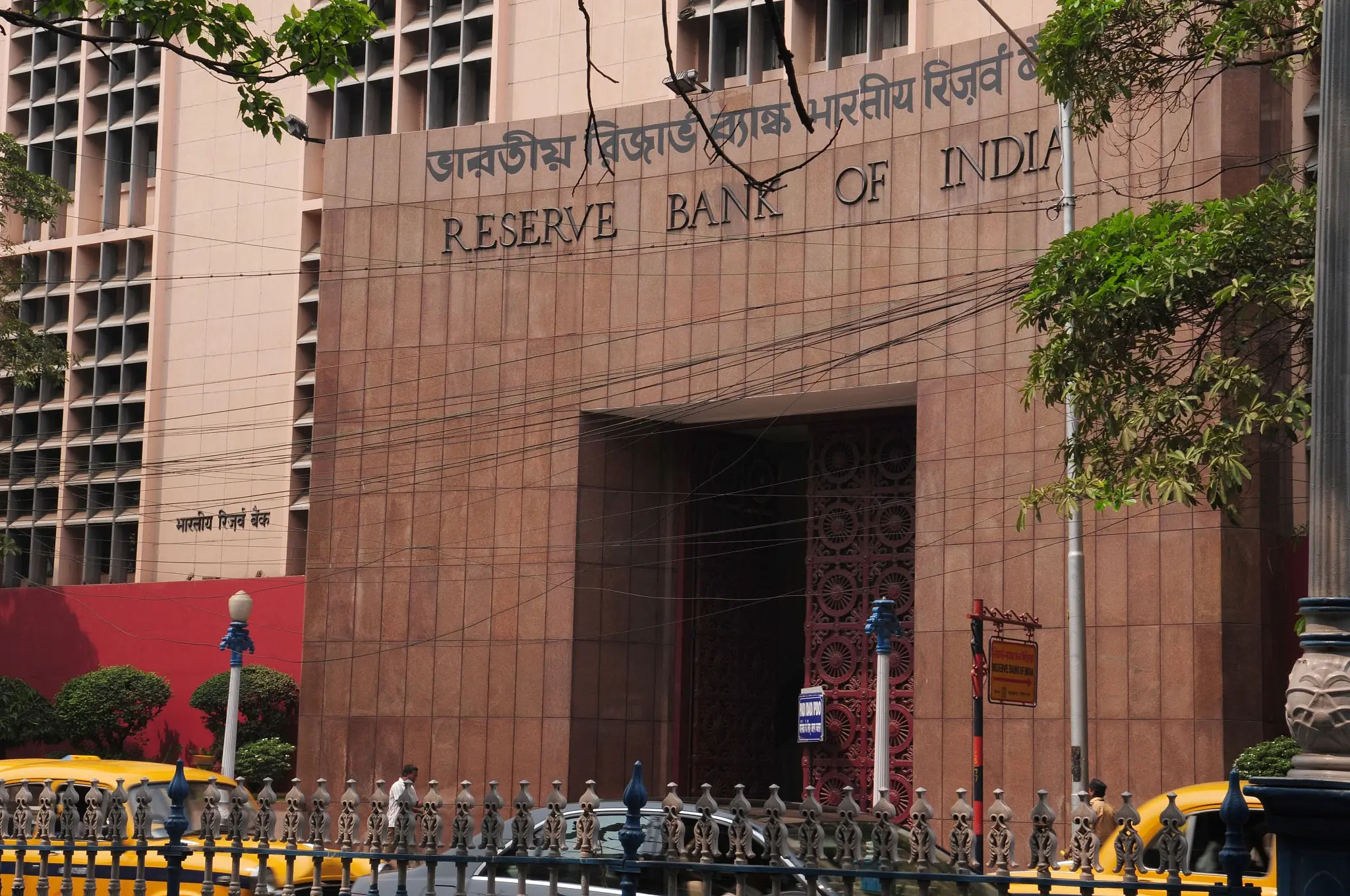
The Reserve Bank of India reported that foreign exchange reserves rose to $676.24 billion as of July 17, while gold reserves stood at $101.75 billion. Concurrently, bank deposits grew by 12.7% and loans increased by 17.7% year-on-year, reflecting robust domestic liquidity and credit expansion across the financial sector.
MUMBAI — The Reserve Bank of India (RBI) announced its weekly statistical supplement on Friday, July 24, 2026, revealing that India's foreign exchange reserves expanded to $676.24 billion as of July 17, compared to $675.16 billion the previous week. Simultaneously, data indicated that gold reserves stood at $101.75 billion, shifting from $105.23 billion recorded in the preceding week. This update is critical today as macroeconomic analysts, commercial lenders, and fixed-income investors monitor domestic liquidity conditions, credit growth velocity, and external reserve buffers across the Indian economy.
Forex Reserves and Gold Valuation Dynamics
The latest central bank data highlights shifting components within India's external financial buffer. While total foreign exchange reserves increased to $676.24 billion, gold asset valuations adjusted to $101.75 billion down from $105.23 billion due to international bullion price fluctuations.
According to financial market reports, the RBI maintained active oversight of foreign currency assets to support orderly market conditions. Furthermore, the central bank reported that the federal government had no outstanding ways and means advances or loans with the apex institution as of July 17, reflecting strong fiscal positioning.
Commercial Bank Credit and Deposit Growth
Domestic banking metrics released for the fortnight ending July 15 demonstrated continued expansion in both credit disbursement and deposit mobilization across scheduled commercial banks.
Deposit Expansion: Aggregate bank deposits rose by 12.7% on a year-on-year basis during the fortnight.
Credit Growth: Non-food bank credit and overall loans increased by 17.7% compared to the corresponding period of the previous year.
Bond Market Impact: Following the liquidity and reserve updates, India's 10-year benchmark government bond yield (IN069436G=CC) settled lower at 6.8253%, easing from its previous close of 6.8413%.
Official Sources and Regulatory Disclosures
Statistical releases, reserve accounts, and monetary metrics are governed by statutory reporting frameworks managed by the central bank.
"According to official statistical releases and data tables published by the Reserve Bank of India (RBI), foreign exchange reserves, gold valuations, and scheduled bank performance indicators are compiled directly from authorized reporting institutions."
All monetary policy updates, weekly statistical supplements, and financial data releases can be verified via the official portal of the Reserve Bank of India (RBI).
Why It Matters
For corporate borrowers, institutional investors, and retail depositors, the weekly RBI data provides a comprehensive health check on domestic liquidity and external sector stability. Robust credit growth alongside strong foreign exchange buffers reassures markets regarding the economy's capacity to absorb external trade and currency pressures.
Key Facts at a Glance
Total Forex Reserves: $676.24 billion as of July 17, 2026.
Gold Reserves Value: $101.75 billion for the reporting week.
Bank Deposit Growth: Up 12.7% year-on-year for the fortnight ending July 15.
Bank Loan Growth: Up 17.7% year-on-year for the same fortnight.
10-Year Bond Yield: Settled at 6.8253%.
Frequently Asked Questions (FAQ)
What were India's total foreign exchange reserves as of July 17, 2026?
Total foreign exchange reserves stood at $676.24 billion.
How did bank deposits and loans perform during the mid-July fortnight?
Bank deposits rose by 12.7% year-on-year, while bank loans expanded by 17.7% year-on-year.
What was the valuation of India's gold reserves in the latest RBI report?
Gold reserves were recorded at $101.75 billion.
Where can official monetary and reserve statistics be accessed?
Official financial data and weekly statistical supplements are available through the Reserve Bank of India (RBI).
Source: Reserve Bank of India (RBI) and Financial Market Disclosures.