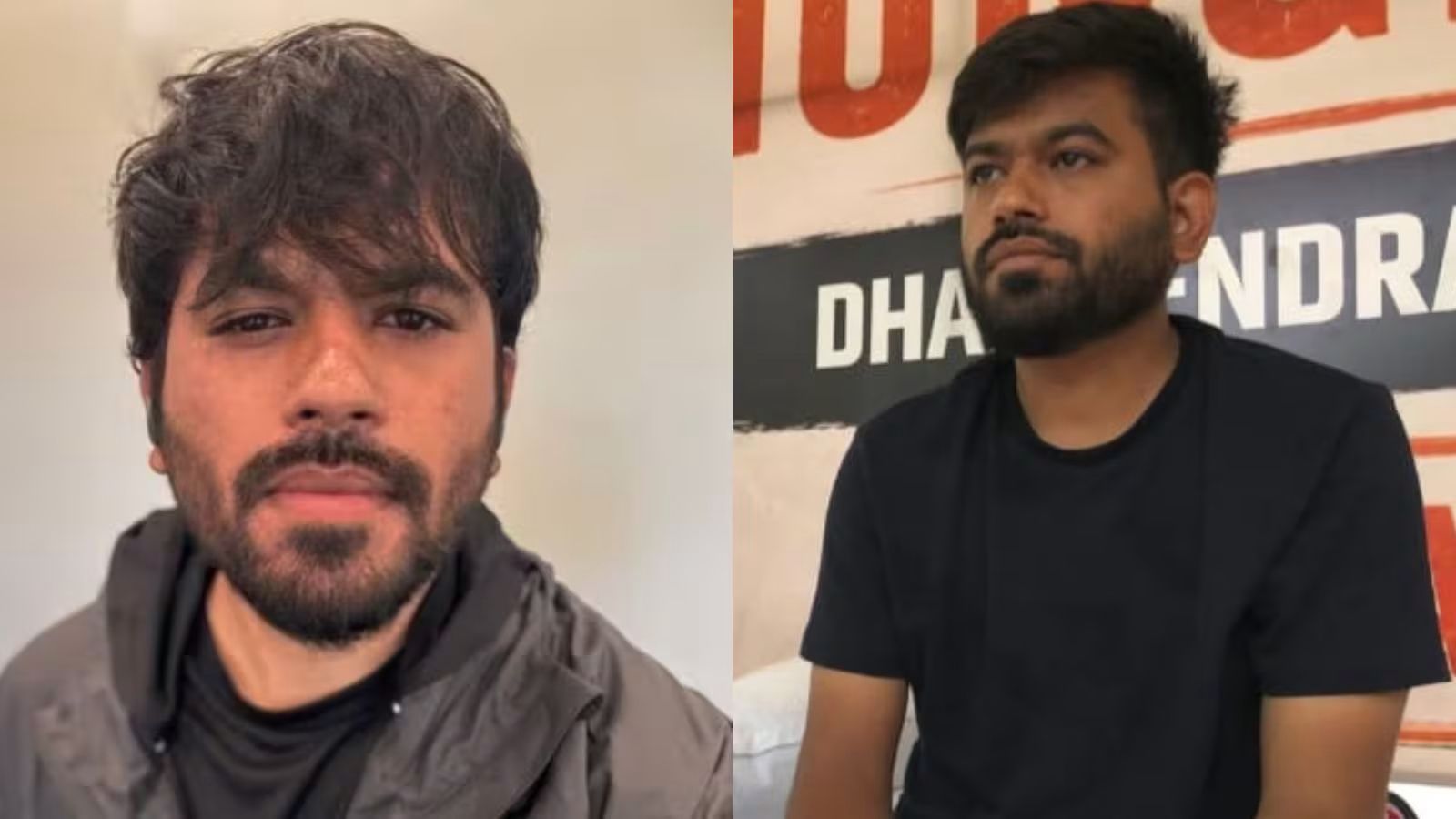
Boston University PR graduate Abhijeet Dipke leveraged academic crisis training and AI tools to build the viral Cockroach Janata Party (CJP) movement. By turning satirical online messaging into an organized advocacy front, the campaign successfully reshaped youth political discourse and civic engagement across India.
How political communication strategist Abhijeet Dipke turned academic training and artificial intelligence into a viral youth phenomenon across India.
In an era defined by rapid digital communication and shifting political landscapes, the emergence of the Cockroach Janata Party (CJP) has captured global attention. Founded by 30-year-old political strategist Abhijeet Dipke while completing his master's degree in Public Relations at Boston University, the movement successfully transformed a controversial courtroom remark into a massive nationwide advocacy platform. By combining modern strategic communication theories with artificial intelligence tools, Dipke engineered a satirical digital campaign that resonated deeply with unemployed youth, eventually leading to high-profile political developments, including the resignation of Union Education Minister Dharmendra Pradhan following a 37-day protest.
Bridging Academic Theory with Digital Activism
The foundation of the CJP campaign relies heavily on structured public relations concepts acquired during Dipke's time at Boston University's College of Communication.
Strategic Vision and Mission: Academic assignments focusing on definite campaign goals inspired the creation of clear manifestos and transparent mission objectives.
Visual Consistency: Drawing from branding lessons, organizers selected the "cockroach" symbol to maintain a distinct, memorable visual identity across all digital touchpoints.
Crisis Simulation Training: Rigorous crisis management modules prepared leadership to handle intense international media scrutiny and navigate high-stakes political pressures effectively.
Leveraging Artificial Intelligence for Grassroots Outreach
Operating without the extensive funding or large professional teams typical of established political parties, Dipke utilized artificial intelligence to scale the CJP's operational output. AI tools assisted in rapidly drafting manifestos, building digital infrastructure, and generating promotional assets within tight timeframes. However, leadership maintained that while artificial intelligence accelerates administrative execution, authentic political relevance and sensitive messaging require genuine lived experiences and a deep understanding of local socio-political dynamics.
Why It Matters
For modern political communication strategists, civil rights activists, and digital creators, the CJP phenomenon illustrates the profound impact of combining formal PR education with agile technology. As traditional gatekeepers face disruption from grassroots digital movements, understanding how to effectively harness academic frameworks and AI tools is becoming essential for contemporary civic engagement.
Key Facts at a Glance
Founder: Abhijeet Dipke (Political communication strategist and Boston University alumnus).
Core Movement: Cockroach Janata Party (CJP), launched in May 2026.
Key Enablers: Public relations theories, crisis simulation training, and generative AI execution.
Impact: Evolved from a viral satire into a major nationwide youth advocacy platform.
Frequently Asked Questions
What academic background shaped the CJP movement?
The movement was heavily influenced by the public relations and strategic communication master's program Abhijeet Dipke completed at Boston University.
How was artificial intelligence utilized during the campaign?
AI tools were used to rapidly draft manifestos, design digital infrastructure, and generate promotional assets to compensate for limited early-stage financial resources.
Why was satire chosen as the primary communication format?
Organizers utilized satire to cut through information overload, recognizing that conventional political messaging often gets ignored by digitally fatigued young audiences.
Source: Boston University, Hindustan Times, Rediff.com, The Times of India