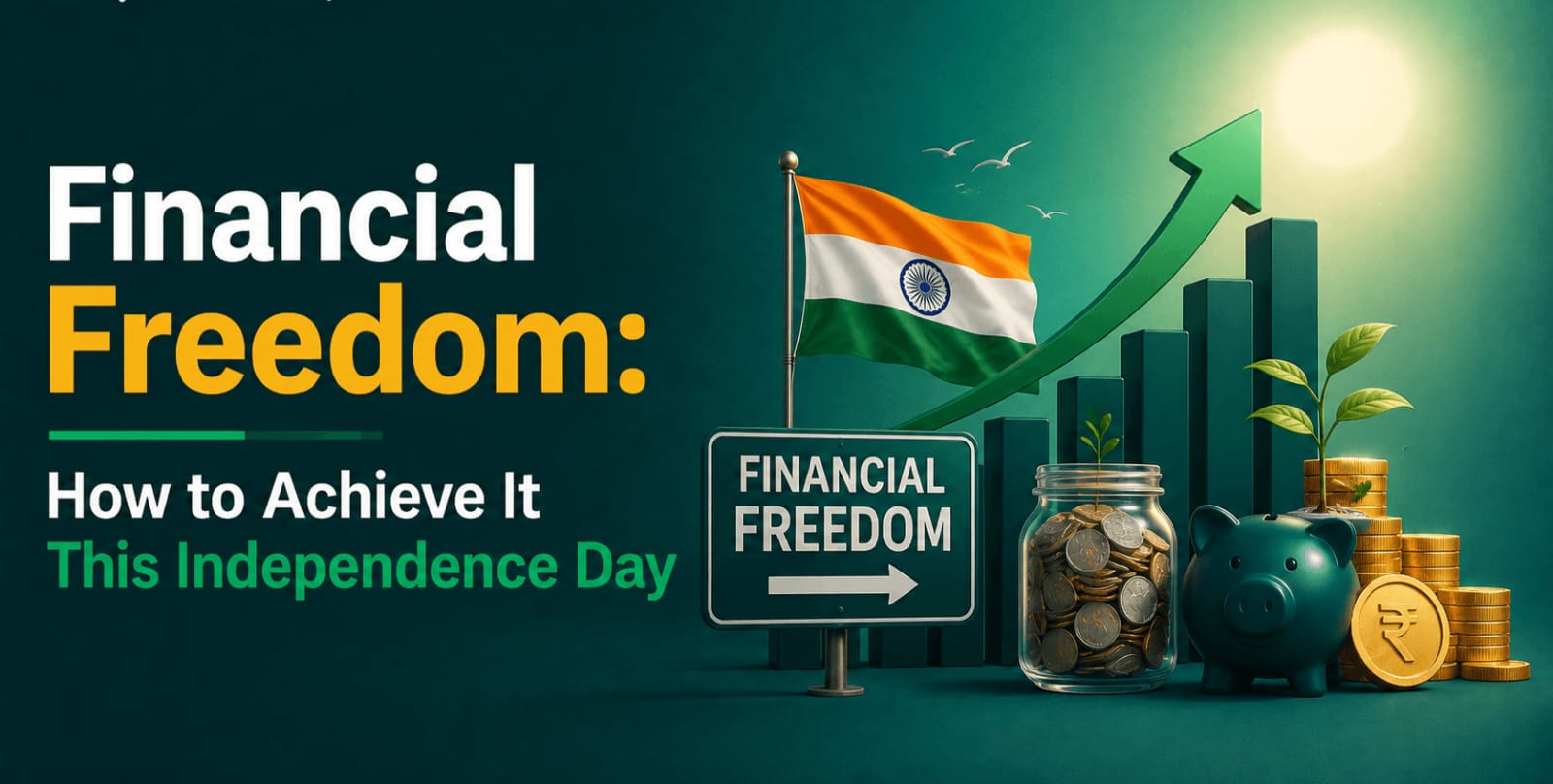
Ahead of Independence Day 2026, financial experts emphasize seven personal finance rules to help Indian citizens achieve long-term financial freedom. By prioritizing structured 50/30/20 budgeting, building liquid emergency reserves, eliminating high-interest debt, automating systematic investments, and maintaining adequate insurance coverage, households can secure sustainable economic stability and independence.
NEW DELHI — As India marks Independence Day in August 2026, leading regulatory institutions, financial analysts, and market advisors across Mumbai and New Delhi have issued crucial personal finance rules designed to guide households toward long-term financial independence. Financial advisors emphasize that achieving true financial autonomy requires systematic planning, risk mitigation, and strict budget management amid persistent inflationary pressures and evolving interest rate cycles.
According to research updates from major institutions including the Ministry of Finance and retail banking guidelines, individual wealth creation relies on adhering to core financial principles rather than speculative market timing.
Understanding the Core Personal Finance Rules for 2026
Market experts highlight seven fundamental personal finance rules that every household should integrate into their daily financial strategy to safeguard capital and build wealth.
1. Maintain Budgetary Discipline with the 50/30/20 Framework
Financial analysts strongly advise implementing the 50/30/20 budgeting structure. Under this rule, 50% of net income goes toward essential expenditures such as rent, groceries, and utilities; 30% funds discretionary lifestyle choices; and at least 20% is directed into savings and debt service. Establishing clear cash-flow allocation ensures consistent investment contributions regardless of market conditions.
2. Establish a Robust Contingency Fund
Institutional advisors recommend maintaining a contingency fund equal to three to six months of living expenses, including monthly loan installments. This reserve should be held in liquid bank accounts or short-term liquid funds to cover unforeseen events such as temporary employment interruption or emergency medical expenditures without liquidating long-term investments.
3. Manage Debt and Eliminate High-Interest Liabilities
Managing liabilities remains a fundamental requirement for financial freedom. Financial planners differentiate between productive debt—such as affordable home loans—and bad debt, including credit card balances and high-interest personal loans. Paying down high-yield liabilities first using the avalanche or snowball method prevents interest compounding from eroding household wealth.
4. Automate Wealth Creation via Systematic Investments
Automating investments through Systematic Investment Plans (SIPs) in mutual funds or direct transfers into pension products ensures consistent asset accumulation. By capitalizing on rupee cost averaging and compound interest, investors can build long-term wealth while insulating their portfolios from emotional decision-making during market swings.
5. Secure Adequate Risk Protection
Financial independence remains vulnerable without comprehensive insurance coverage. Sector guidelines recommend securing term life insurance equivalent to 10 to 12 times the primary earner’s annual salary, paired with standalone health insurance to mitigate rising healthcare costs and prevent medical bills from depleting savings.
6. Conduct Regular Portfolio Reviews and Rebalancing
Market conditions and personal financial milestones change over time. Financial advisors advocate for annual or semi-annual portfolio reviews to rebalance asset allocation between equity, fixed income, gold, and real estate, ensuring investments remain aligned with personal risk tolerance and financial targets.
7. Prioritize Dedicated Retirement Planning
With rising life expectancies and inflation, building a dedicated retirement corpus is essential. Utilizing long-term retirement accounts such as the Public Provident Fund (PPF) and the National Pension System (NPS) provides dual benefits: tax efficiency under applicable provisions and guaranteed long-term growth.
Statements from Official Sources
Official releases from major banking institutions and market regulators underscore that financial literacy remains a key pillar of national economic resilience. According to statements from the Reserve Bank of India and retail wealth advisory boards, maintaining low debt-to-income ratios—ideally below 30% to 40% of net take-home pay—is vital for preserving borrowing capacity and long-term liquidity.
Market Analysis and Industry Perspective
"According to officials and wealth management experts, achieving financial freedom is not contingent on market speculation, but rather on executing disciplined, repeatable money management practices. Establishing an emergency cushion and securing adequate health cover form the mandatory base before pursuing aggressive equity growth strategies."
Why It Matters for Citizens and Investors
These personal finance rules provide a structured roadmap for citizens striving to insulate their households from unexpected economic shocks. Implementing structured budgeting, managing credit, and automating investments directly enhance household net worth, improve credit scores, and foster sustainable economic participation across urban and rural demographics alike.
Key Facts at a Glance
Budget Ratio: The 50/30/20 allocation reserves 20% of net income strictly for savings and debt repayment.
Emergency Cushion: Experts mandate keeping 3 to 6 months of essential living expenses in liquid instruments.
Insurance Baseline: Life insurance coverage should equal at least 10 to 12 times an individual's annual gross earnings.
Debt Ceiling: Total monthly EMI liabilities should not exceed 30% to 40% of total net take-home salary.
Retirement Instruments: Long-term vehicles like NPS and PPF offer disciplined tax-efficient growth.
Frequently Asked Questions (FAQ)
What is the primary step toward achieving financial freedom in 2026?
The first step is conducting a complete cash-flow audit to establish a realistic budget, tracking all monthly inflows and expenditures before building an emergency reserve.
How much money should be kept in an emergency fund?
Financial planners recommend maintaining an emergency fund equivalent to 3 to 6 months of essential operational living costs and debt obligations in accessible, liquid accounts.
How does high-interest debt impact personal financial growth?
High-interest debt, such as credit card balances, accrues compounded interest that reduces disposable income and limits the capacity to allocate funds toward wealth-building investments.
Why is life insurance essential for financial independence?
Life insurance provides critical risk protection, ensuring that dependants receive financial support and in; come replacement in the event of the primary earner's premature death.
Sources: Ministry of Finance - Government of India, Reserve Bank of India - Official Portal