Bangladesh has signaled a fresh diplomatic push to reset bilateral relations with India through structured, direct dialogue. Emphasizing mutual interests and sovereign equality, the initiative aims to address key regional issues including water resource management, trade, and transit cooperation.
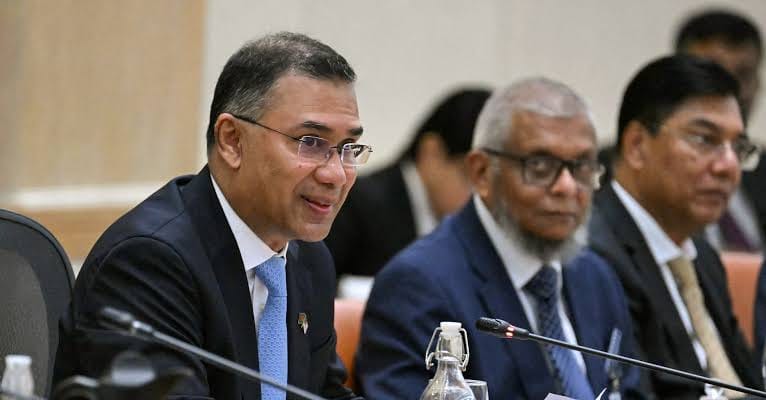
DHAKA - Signaling a diplomatic recalibration in South Asia, Bangladesh’s Ministry of Foreign Affairs articulated a firm desire to reset bilateral relations with India. Speaking in Dhaka on Sunday, September 13, 2026, State Minister for Foreign Affairs Humayun Kabir stated that the nation must move past an excessive preoccupation with New Delhi and establish a mature, balanced framework. The diplomatic overture follows recent discussions between top officials and the Indian High Commissioner, focusing on resolving long-standing regional differences, enhancing connectivity, and addressing core economic and water-sharing priorities.
Navigating Diplomatic Complexities and Bilateral Priorities
The call for renewed dialogue arrives amid a period of cautious engagement following political transitions in Dhaka. While senior leadership recently declined an invitation to participate in the multilateral BRICS outreach summit in New Delhi—citing procedural distinctions regarding its capacity as the chair of the Bay of Bengal Initiative for Multi-Sectoral Technical and Economic Cooperation (BIMSTEC)—the interim administration emphasized that future high-level exchanges should be pursued through dedicated bilateral channels.
During recent diplomatic consultations at Bangabhaban, the Indian High Commissioner to Bangladesh, Dinesh Trivedi, reaffirmed New Delhi's commitment to expanding cooperation. Both governments are aiming to establish a forward-looking partnership founded on sovereign equality, mutual respect, and shared regional stability.
Economic, Transit, and Water Resource Challenges
A reset in bilateral relations remains critical for addressing substantive regional issues, including the equitable management of common river systems such as the Ganges and the Teesta. Policymakers in Dhaka have stressed that resolving water-sharing disputes is directly tied to the livelihoods of millions of agricultural workers. Furthermore, bilateral trade frameworks, regional transit protocols, and border management protocols require constant diplomatic communication to ensure mutual economic benefits.
For regional investors, cross-border traders, and industrial enterprises, predictable and stable state-to-state relations are essential for maintaining supply chain resilience. Uninterrupted commercial transit and collaborative energy agreements between the two neighboring economies depend heavily on the success of these upcoming ministerial talks.
Official Sources Section
Information for this report is based on official government statements, diplomatic briefings, and institutional records:
Quote Section
"Bangladesh wants to 'reset' its relationship with India and build a new bilateral engagement based on mutual interests, moving beyond past complexities," stated State Minister for Foreign Affairs Humayun Kabir during the briefing in Dhaka.
Why It Matters
A cooperative relationship between India and Bangladesh underpins South Asian economic integration, maritime security, and cross-border trade. Establishing a constructive dialogue mechanism ensures that critical issues—ranging from energy corridors to water resource management—can be addressed pragmatically, safeguarding regional stability and commercial predictability.
Key Facts at a Glance
Diplomatic Push: Bangladesh formally signaled its intent to reset diplomatic engagement with India on September 13, 2026.
Bilateral Focus: Dhaka emphasized that future high-level visits and negotiations should take place through direct bilateral frameworks rather than multilateral settings.
Core Issues: Key priorities for discussion include equitable water-sharing of common rivers like the Teesta and Ganges, trade integration, and border security.
Official Stance: State Minister for Foreign Affairs Humayun Kabir noted the necessity of approaching bilateral ties with a balanced and mutually respectful perspective.
FAQ Section
Why is Bangladesh seeking to reset its relationship with India?
The administration aims to establish a balanced, forward-looking partnership based on mutual interests and sovereign equality while resolving past diplomatic friction.
How will future high-level talks between India and Bangladesh be conducted?
Dhaka has indicated a preference for dedicated bilateral visits and structured ministerial discussions rather than relying solely on multilateral or regional summits.
What are the primary issues awaiting bilateral resolution?
Key areas include the equitable sharing of transboundary river waters, trade imbalances, regional connectivity, and transit security.
What role does BIMSTEC play in current diplomatic engagements?
Bangladesh currently holds the chair of BIMSTEC, which frames certain regional institutional interactions, though Dhaka insists major bilateral matters require standalone diplomatic frameworks.
Source: The Hindu, Dhaka Tribune, The Statesman