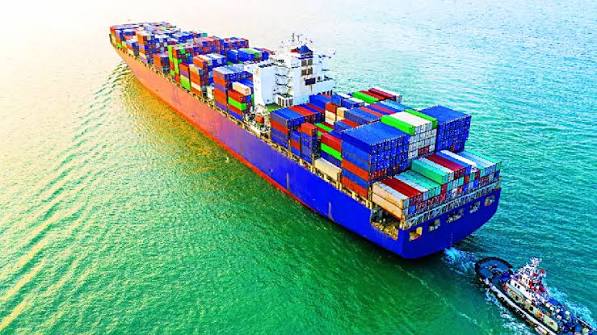
India is actively pursuing comprehensive free trade agreements with 8 to 9 major economic blocs to cover 75% of global trade. Spearheaded by the Ministry of Commerce and Industry, the strategy focuses on expanding agro-industrial shipments and securing favorable market access for domestic exporters worldwide.
NEW DELHI — The Ministry of Commerce and Industry has accelerated India's strategic trade agenda, focusing on solidifying comprehensive bilateral free trade agreements (FTAs) and aggressively expanding high-value agro-industrial shipments across global markets.
Union Minister for Commerce and Industry Piyush Goyal announced that active negotiations are underway with 8 to 9 additional economic blocs and partner nations. Once finalized, these comprehensive pacts will collectively cover roughly 75 percent of global trade, positioning India as an indispensable node in resilient international value chains.
Expanding Agro-Industrial Footprint and Strategic Pacts
Building on major bilateral milestones—including the landmark trade agreements concluded with the European Union and targeted frameworks with North American partners—New Delhi's current diplomatic push emphasizes reciprocal market access. The strategy seeks to dismantle tariff and non-tariff barriers for labor-intensive manufactured goods, marine items, and processed agricultural products.
Government data indicates that agro-industrial shipments are scaling rapidly, supported by enhanced cold-chain logistics, strict quality compliance standards, and dedicated export corridors. By securing preferential zero-duty or reduced-tariff access across major consumer economies, Indian exporters are capturing increased market share in high-margin sectors.
According to official ministry statements, trade disclosures, and economic reports:
Active Negotiations: Trade talks are advancing with 8 to 9 distinct economic groups and nations.
Global Trade Coverage: Finalized and upcoming pacts target coverage of approximately 75% of total global trade volume.
Agro-Industrial Priority: Focused reduction of protectionist barriers facing processed foods, spices, marine commodities, and specialized industrial goods.
Supply Chain Resilience: Aligning domestic manufacturing capabilities with international standards to solidify India's status as a trusted global sourcing hub.
Official Sources Section
Quote Section
According to statements released by Union Commerce and Industry Minister Piyush Goyal regarding India's expanding international trade strategy:
"India is in negotiations with at least 8 to 9 more groups of countries and individual nations that together account for another $15 trillion of GDP. Our free trade agreements will eventually cover about 75% of global trade and help position India as a trusted partner in global value chains."
Why It Matters
For domestic farmers, food processors, manufacturers, and export enterprises, securing stable, long-term trade agreements eliminates trade volatility and opens lucrative foreign consumer markets. Expanding agro-industrial shipments directly drives rural employment, enhances farm gate values, and boosts foreign exchange reserves, reinforcing overall macroeconomic stability.
Key Facts at a Glance
Strategic Objective: Solidifying FTAs to cover 75% of global commerce.
Active Pipelines: 8 to 9 major trade blocs and bilateral partners currently in negotiation stages.
Key Focus Sectors: Agro-processed goods, textiles, engineering products, and advanced industrial items.
Core Mandate: Enhancing export competitiveness and reducing structural trade barriers.
FAQ Section
What is the core objective of India's current trade negotiation strategy?
India aims to conclude comprehensive free trade agreements with 8 to 9 major economic blocs to cover roughly 75% of global trade and integrate deeper into international value chains.
Which sectors stand to benefit the most from these expanding trade pacts?
Key beneficiaries include agro-industrial exporters, processed food producers, textile manufacturers, marine product suppliers, and engineering firms.
How do FTAs impact India's agricultural and industrial shipments?
Free trade agreements reduce or eliminate prohibitive tariffs in partner countries, making Indian exports more price-competitive and opening predictable access to international buyers.
Where can stakeholders track official updates on ongoing trade negotiations?
Official policy papers, bilateral agreement summaries, and export data are published directly through the Ministry of Commerce and Industry Portal.
Source: Ministry of Commerce and Industry, PIB India, DGFT, The Hindu