




Loading market data...
ADVERTISEMENT

Latest Top News
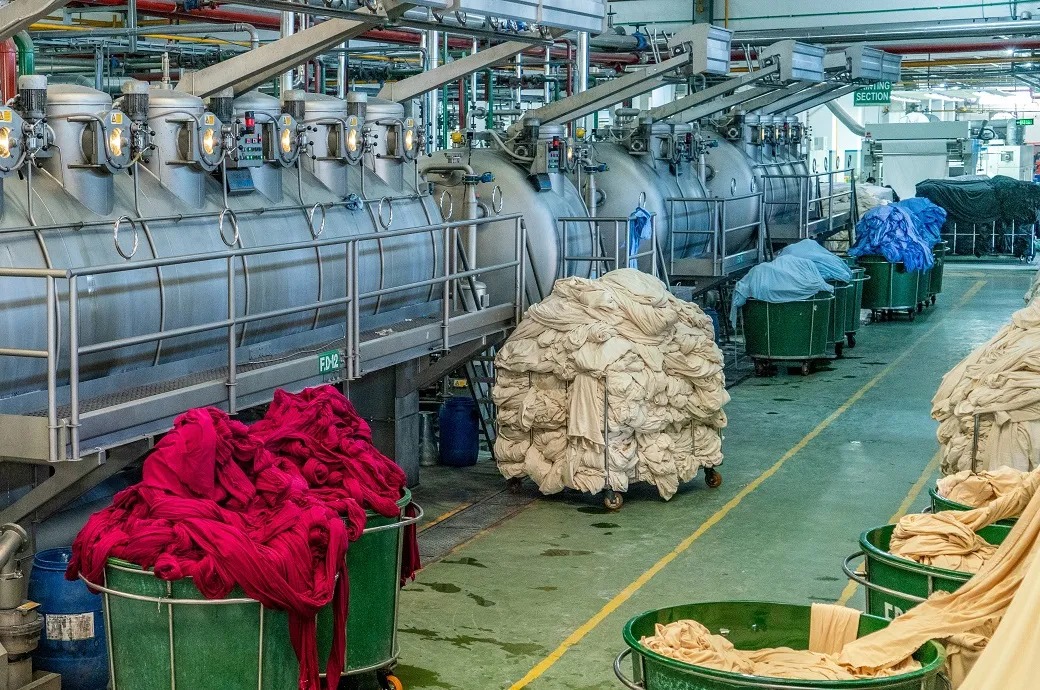
Fuel Crisis Pushes Ludhiana Dyeing Industry Toward Agro-Waste Energy
Ludhiana’s dyeing industry, facing a severe fuel crisis, is turning to agro-waste energy systems as a sustainable alternative. This transition not only reduces dependence on conventional fuels but also positions the textile hub as a pioneer in eco-friendly industrial practices.
Stay Ahead – Explore Now! Kerala to Launch 1 Million Toofan Goals Anti-Drug Challenge
ADVERTISEMENT

Latest Updates

Leapfrog Engineering Services IPO Bound: Price Ban...
15 Jun 2026, 11:50 PM
Instamart Inks Growth: Dhanya Hemanth Raj Named Ma...
15 Jun 2026, 11:52 PM
Sri Lanka 'A' Edge India 'A' in Heated Super Over...
15 Jun 2026, 11:47 PM
Mercedes-Benz India Steers Past Headwinds to Fuel...
15 Jun 2026, 11:45 PM
Sanon’s Andheri Asset Action: Family Bags ₹4.6 Cr...
15 Jun 2026, 11:42 PMADVERTISEMENT

Top Stories
Leapfrog Engineering Services IPO Bound: Price Ban...
15 Jun 2026, 11:50 PM
Instamart Inks Growth: Dhanya Hemanth Raj Named Ma...
15 Jun 2026, 11:52 PM
Sri Lanka 'A' Edge India 'A' in Heated Super Over...
15 Jun 2026, 11:47 PM