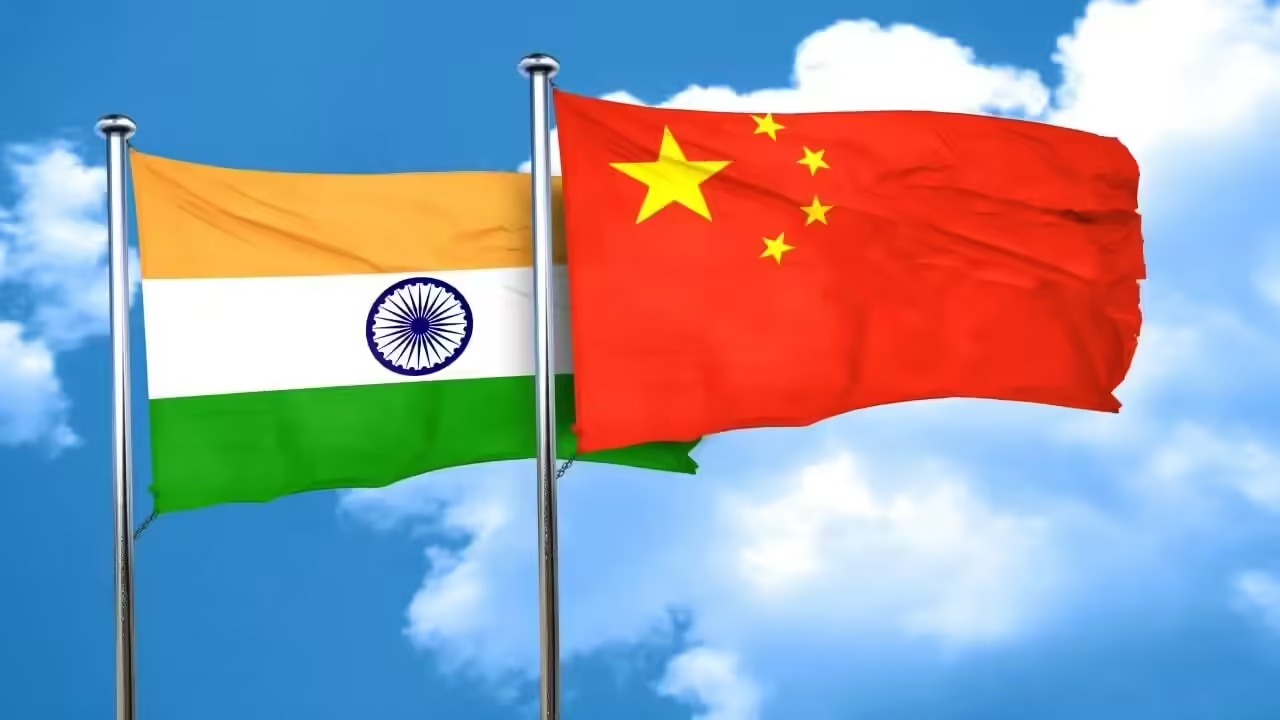
Repeated petroleum price hikes across India have accelerated a shift toward electric mobility, paving the way for targeted component collaboration with China. Despite strict regional regulatory scrutiny and upcoming tech transfer limits, Indian manufacturers are pursuing local battery assembly partnerships to lower production costs and curb dependence on imported crude oil.
NEW DELHI — Persistent retail petroleum price increases have established the commercial foundations for enhanced collaboration between India and China within the electric mobility segment. Following a sequence of four domestic fuel price revisions implemented since mid-May due to West Asia maritime supply constraints, the Indian government and private fleet operators are actively reviewing international supply options. The ongoing energy shock has accelerated structural pressure to transition toward clean transport and reduce the country's multi-billion-dollar dependency on foreign crude.
The economic necessity of this transition is forcing a pragmatic re-evaluation of regional manufacturing partnerships. While New Delhi continues to maintain strict investment oversight, an accumulation of market factors—including a cooling in Chinese domestic battery cell demand and India's altered foreign direct investment framework—has opened a clear operational window for technical alliances.
Fuel Market Volatility Drives Fleet Electrification
According to regional industry tracking data from Dialogue Earth and corporate transport aggregates, successive retail fuel hikes have directly compromised the profit margins of commercial logistics providers and app-based aggregate drivers across major cities like New Delhi and Mumbai. With oil markets highly sensitive to shipping vulnerabilities, Indian companies are moving past environmental targets and treating electric vehicle (EV) adoption as an immediate commercial defense mechanism.
University of California, Berkeley research on India’s transportation framework indicates that full-scale transition to electric options could reduce national crude oil imports by over 90%, preserving approximately $240 billion annually by 2047. However, achieving this scale requires rapid infrastructure expansion and low-cost component pipelines.
Because China currently controls standard global processing nodes for lithium-ion battery cells and power electronics, Indian original equipment manufacturers (OEMs) are seeking structured technical joints to bridge the localization gap before alternative global supply networks fully mature.
Navigating Regulatory Frameworks and Supply Friction
The integration of East Asian manufacturing know-how faces complex regulatory dynamics. Bourse filings and trade records indicate that while corporate entities favor technology transfers, execution must comply with India's Press Note 3 guidelines, which require prior government clearance for investments from nations sharing physical borders.
| Operational Parameter | Current Market Standing & Regulatory Guidelines |
| Fuel Price Revisions | Four upward adjustments logged since May 15 |
| Target Import Reduction | Greater than 90% savings potential by 2047 |
| Primary Structural Hurdle | Press Note 3 compliance for cross-border joint ventures |
| New Foreign Friction | China's technology transfer export curbs effective July 1 |
Adding to the complexity, Beijing’s Ministry of Commerce is set to enforce updated technology transfer curbs starting July 1, 2026. These rules will introduce strict oversight on outbound advanced engineering expertise, display modules, and rare-earth processing equipment.
Consequently, rather than focusing on finished vehicle imports, Indian manufacturing consortia are adjusting their business models to establish localized component assembly agreements that comply with both Indian investment limits and Chinese export restrictions.
Official Sources Section
The macro economic findings, import valuations, and corporate deployment trends discussed are verified by policy reports from Dialogue Earth and transport analytics compiled by the Green Finance and Development Center. Cross-border corporate entry guidelines follow statutory compliance protocols monitored by the Ministry of Commerce and Industry and investment evaluation criteria managed under the Securities and Exchange Board of India (SEBI) capital registry.
Quote Section
"According to officials and economic specialists tracking the sector, volatile oil prices have evolved from an adjustable budget variable into a direct threat to commercial planning, leaving business entities with little choice but to accelerate vehicle electrification using the most accessible global technology paths."
Why It Matters
The evolving cooperation between Indian industrial bases and East Asian component suppliers has major practical implications for the automotive market. For ordinary consumers and commuter groups, successful component partnerships mean lower production costs, making electric two-wheelers and family hatchbacks more affordable. On a macro level, moving commercial transport away from imported petroleum insulates local corporate logistics chains from unpredictable geopolitical energy disruptions, stabilizing retail consumer prices over the long term.
Key Facts at a Glance
Price Pressures: India revised domestic fuel prices upward four times since May 15 due to shipping closures in West Asia.
Macro Objective: Moving to an electric transport model could save India up to $240 billion annually in foreign exchange outlays by 2047.
Supply Advantage: China’s slowing domestic battery demand has prompted manufacturers to seek new export and localization markets.
Regulatory Milestones: Cross-border ventures are navigating India’s Press Note 3 clearings alongside China's outbound technology transfer restrictions starting July 1.
Frequently Asked Questions
Why are domestic fuel hikes pushing India toward Chinese EV partnerships?
Frequent fuel price increases spike operating costs for local logistics and delivery fleets. To switch to electric options quickly and cost-effectively, Indian manufacturers need access to established battery and component technologies, where China holds the largest global capacity.
What is Press Note 3, and how does it impact these projects?
Press Note 3 is a regulatory mandate issued by the Indian government requiring prior official approval for any foreign direct investment originating from countries that share a land border with India, ensuring strict security screening for incoming capital.
Will the upcoming July 1 Chinese export rules halt India's EV expansion?
Industry experts expect the rules to cause execution delays rather than outright cancellations. Indian companies are shifting their focus to localizing engineering know-how and factory setups to maintain momentum despite tighter talent and technology controls.
Source: