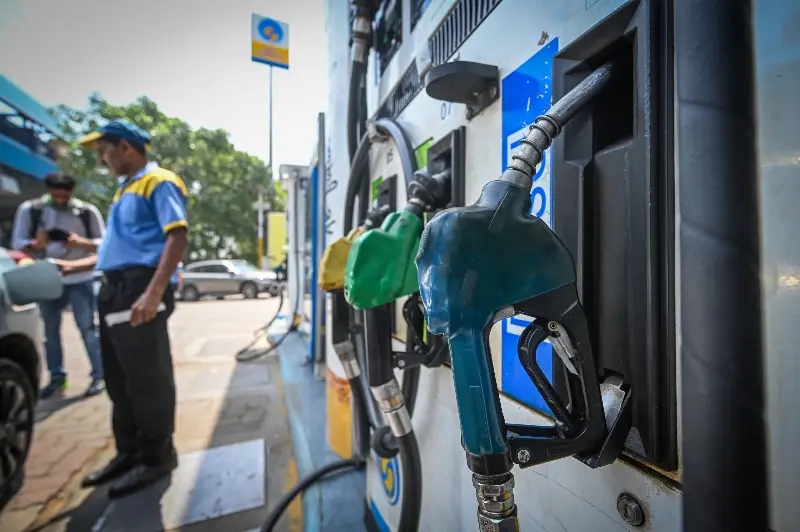
If you have wondered why a litre of petrol costs more in one state than another despite the same crude price, the answer is not just global markets. A growing pump price gap has opened up between BJP and non-BJP-ruled states, driven largely by higher VAT and a maze of local cesses in the latter.
The basic fuel price is the same, but what happens after that is all politics and tax math. Once central excise is applied, states layer their own value-added tax, surcharges and sometimes “temporary” cesses that rarely go away. The result: motorists and small businesses in certain states pay noticeably more at the pump, and they feel it in everything from cab fares to vegetable prices.
How Fuel Pricing Actually Works
Petrol and diesel prices start with the base refinery or import price. On top of that comes central excise, then state-level VAT and local levies. Because VAT is usually charged as a percentage, higher base prices automatically bring in more revenue, and states reluctant to cut rates often cite fiscal stress and welfare commitments as justification.
Why Non-BJP States Are In The Line Of Fire
In the current political narrative, BJP leaders argue that opposition-ruled states have chosen to keep VAT and local cesses higher, making their own citizens pay more even after the Centre cuts excise. Non-BJP governments counter that they shoulder larger social-sector bills and compensation gaps and cannot afford aggressive tax cuts without hurting spending on health, education and subsidies. The truth, as usual, sits somewhere between ideology and budget spreadsheets.
What It Means For Households And Small Businesses
For households, a few rupees extra per litre look small but add up quietly in monthly budgets. For transporters, auto and cab drivers, delivery fleets and small traders, the difference between one state and another can push up costs, change preferred fuel stops, and even influence how goods move across state borders. Over time, higher fuel taxes can behave like a stealth cost of living surcharge.
The Politics Of Cutting, Or Not Cutting, VAT
Fuel taxes are among the easiest, fastest revenue taps for states. That is why rate cuts are rare and usually timed with elections or public anger. Each side uses the same disparity for messaging: the Centre urges states to “do their bit,” while opposition states highlight central devolution and their own spending pressures. For citizens, the pump remains the only place where this argument feels real in rupees and paise.
Pump Price Insight Highlights
- Same crude, different bills because of state VAT and local cesses
- Non-BJP-ruled states face criticism for higher fuel taxes and pump prices
- States defend higher levies citing welfare spending and fiscal stress
- Drivers, transporters and consumers ultimately carry the cost at the pump
Sources: State Tax Structures, Fuel Pricing Breakdowns, Fiscal Policy Commentary