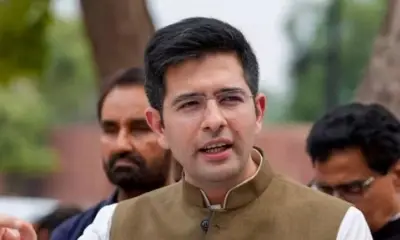
BJP MP Raghav Chadha has been appointed chairman of the Rajya Sabha Committee on Petitions, a relatively low-profile but influential parliamentary body that filters what citizens bring to the Upper House. The move gives the former AAP leader a fresh institutional role just weeks after his high-profile switch to the BJP.
It is not a ministry or a headline-grabbing floor position, but in a Parliament increasingly dominated by noise, the Petitions Committee is one of the few spaces formally designed to listen. Chadha’s appointment signals the BJP’s willingness to quickly place him in roles that blend public outreach with procedural heft, and it puts his legislative skills under a quieter, more demanding spotlight.
What The Petitions Committee Actually Does
The Committee on Petitions examines representations, complaints and requests submitted to the Rajya Sabha and admitted by the Chair. It can call officials, seek explanations from ministries and recommend action or policy changes. In practice, it works as a bridge between citizen grievances and the government’s administrative machinery, especially on issues that rarely get a full-dress debate.
How This Changes Chadha’s Political Arc
For Chadha, now a BJP Rajya Sabha member, the chairmanship is a chance to recast himself from a combative opposition face into a more institutional actor. The way he prioritises petitions, the seriousness of hearings and the sharpness of committee reports will all shape whether he is seen inside the BJP as a long-term parliamentary asset or just a recent catch with media recall.
Signal For Parliamentary Work Culture
The appointment also lands in a Parliament where much of the meaningful work has shifted into committees. A proactive chairman can use the Petitions panel to push ministries on recurring complaints, delays and implementation gaps, without the theatrics of walkouts and slogan-shouting. If run well, this committee can quietly improve the feedback loop between citizens and the state.
What To Watch In The Coming Months
The real test will be output, not the appointment order: which petitions get taken up, how often ministries are held to timelines, and whether any recommendations visibly influence policy tweaks or administrative behaviour. If Chadha can turn dense petition files into sharper accountability, this “procedural” role could become one of his most consequential assignments in his new party.
Parliamentary Role Highlights
- Raghav Chadha, now a BJP MP, appointed chairman of RS Committee on Petitions
- Panel examines citizen petitions and routes them into the parliamentary process
- Role tests his shift from television-centric politics to detailed committee work
- Effectiveness will hinge on petition selection, report quality and follow-through
Sources: Parliamentary Appointment Reports, Rajya Sabha Records, Political Commentary