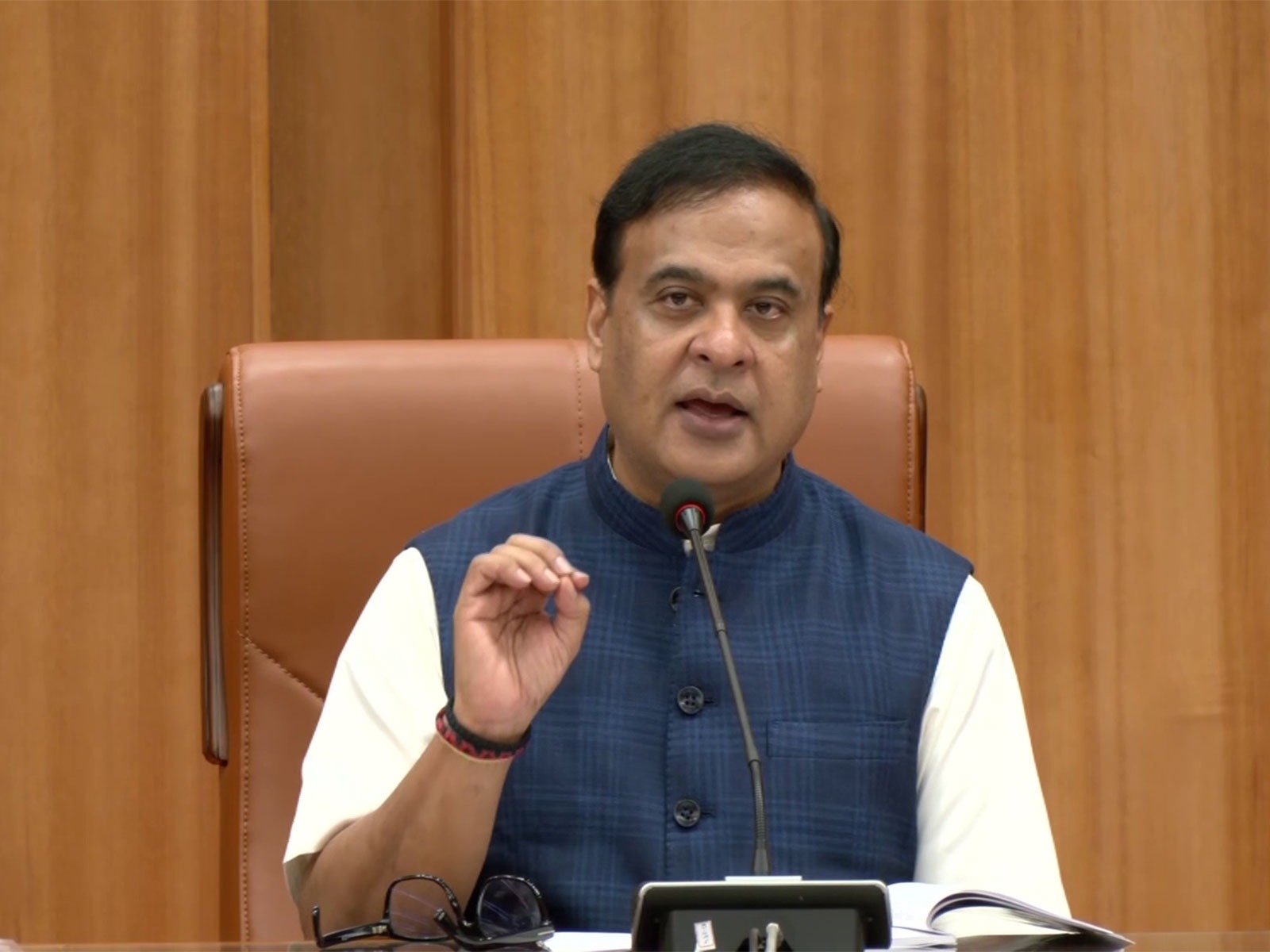
The Assam government has approved a complete waiver of stamp duty on institutional loans up to Rs 10 lakh for Self-Help Group members under the ASRLM. Announced by Chief Minister Himanta Biswa Sarma in Guwahati, the initiative aims to reduce financial burdens and boost rural entrepreneurship.
The Assam government has approved a complete waiver of stamp duty on institutional loans up to Rs 10 lakh for self-help group members to bolster rural entrepreneurship.
Guwahati Cabinet Approves Landmark Credit Relief
In a move designed to expand financial inclusion and foster grassroots entrepreneurship, the Assam state cabinet officially approved the waiver of stamp duty on individual loan documents executed by Self-Help Group (SHG) members. The decision was finalized during a high-level cabinet meeting held in Guwahati on Saturday, July 25, 2026, under the chairmanship of Chief Minister Himanta Biswa Sarma.
The exemption covers individual loans of up to Rs 10 lakh obtained under the Assam State Rural Livelihoods Mission (ASRLM). Targeted explicitly at supporting livelihood and enterprise activities, the policy applies to credit facilities extended by scheduled commercial banks, regional rural banks, cooperative banks, and other financial institutions regulated by the Reserve Bank of India (RBI). By removing statutory transaction costs on loan execution papers, the state administration aims to eliminate initial financial barriers for micro-entrepreneurs seeking institutional capital.
Expanding Formal Credit Access and Rural Livelihoods
The policy intervention addresses long-standing hurdles faced by rural community members attempting to scale micro-enterprises. Administrative officials noted that statutory expenses such as stamp duty often add an avoidable financial burden on economically vulnerable borrowers taking small-ticket business loans.
By streamlining loan documentation procedures under the ASRLM framework, the Assam government seeks to encourage greater participation in formal banking channels. This measure complements ongoing national and state-level cooperative initiatives geared toward poverty alleviation, women's economic empowerment, and sustainable livelihood generation across rural districts.
Impact on Citizens, Borrowers, and Local Businesses
The structural reduction in borrowing costs carries direct implications for various economic stakeholders across the region:
SHG Members and Micro-Entrepreneurs: Borrowers save valuable capital during the initial loan processing phase, allowing more funds to be channeled directly into business expansion and inventory.
Rural Households: Easier access to affordable, formal credit fosters household-level economic resilience and diversifies income-generating activities.
Banking and Financial Institutions: Reduced administrative friction encourages higher loan disbursement volumes under government-backed livelihood programs, improving credit penetration.
Local Economy: Enhanced liquidity at the grassroots level stimulates rural commerce, supply chains, and localized production networks.
Official Sources and Regulatory Framework
According to official government announcements and press briefings led by Chief Minister Himanta Biswa Sarma, the exemption is legally structured to cover eligible credit lines issued through authorized banking channels.
"Organizers stated that the state cabinet has approved the waiver of stamp duty on individual loan documents executed by Self-Help Group members under the Assam State Rural Livelihoods Mission to reduce financial burdens and promote rural entrepreneurship."
Why It Matters
For thousands of women and rural workers organized under self-help groups, securing institutional loans is vital for starting or scaling small businesses. Waiving stamp duty lowers the barrier to entry for formal credit, ensuring that micro-entrepreneurs do not lose a portion of their initial capital to administrative fees, thereby promoting inclusive grassroots economic growth.
Key Facts at a Glance
Policy Decision: Complete waiver of stamp duty on individual loan documents for Self-Help Group (SHG) members.
Loan Limit: Applicable for credit facilities up to Rs 10 lakh.
Governing Scheme: Executed under the Assam State Rural Livelihoods Mission (ASRLM).
Eligible Lenders: Scheduled commercial banks, regional rural banks, cooperative banks, and RBI-regulated financial institutions.
Frequently Asked Questions (FAQ)
What is the primary objective of the Assam government's stamp duty waiver?
The policy aims to reduce the financial burden on Self-Help Group (SHG) members and encourage greater access to formal credit for livelihood and enterprise activities.
What is the maximum loan amount eligible for the waiver?
The stamp duty exemption applies to individual loans of up to Rs 10 lakh obtained under the Assam State Rural Livelihoods Mission.
Which financial institutions are covered under this policy?
The waiver covers loans secured from scheduled commercial banks, regional rural banks, cooperative banks, and other financial institutions regulated by the Reserve Bank of India.
Who announced this policy decision?
The decision was announced by Assam Chief Minister Himanta Biswa Sarma following a state cabinet meeting in Guwahati.
Source: Press Information Bureau (PIB), Government of Assam Cabinet Proceedings, and Official State Press Briefings.