The Indian government rejected Meta's technical glitch defense as unreasonable after Prime Minister Narendra Modi's Facebook video was temporarily removed. MeitY summoned top Meta executives, declaring the issue far from settled and demanding strict systemic safeguards to protect verified public accounts from arbitrary automated content removal.
The Indian government dismisses Meta's technical error defense as unreasonable after Prime Minister Narendra Modi's Facebook video was briefly removed.
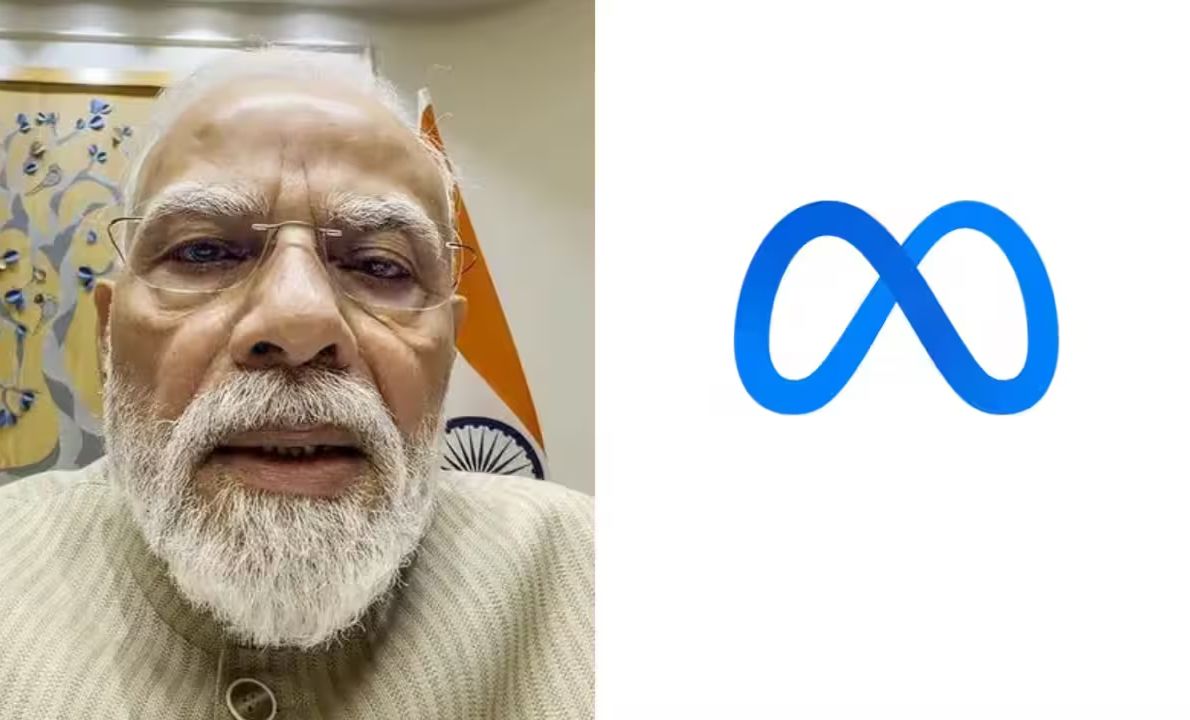
Escalating tensions between New Delhi and major social media corporations, the Ministry of Electronics and Information Technology (MeitY) officially summoned Meta’s global head of public policy following the sudden disappearance of a video message posted by Prime Minister Narendra Modi. The clip, which featured the Prime Minister directly addressing the nation's youth regarding examination reforms and anti-paper leak measures during the recent Cockroach Janta Party (CJP) protests, was briefly restricted on Facebook before being restored with an apology. Government authorities quickly rejected Meta's justification of an automated algorithmic glitch, declaring that the explanation is "not reasonable" and that the matter remains "far from settled".
Summoning Meta and Demanding Systemic Accountability
The unexpected removal of content originating from a verified head-of-state handle triggered swift regulatory action across government departments.
High-Level Summoning: MeitY officials called upon Meta’s top public policy executives to provide a detailed, transparent account of the protocols governing content moderation.
Rejecting the Glitch Excuse: IT Ministry Secretary S. Krishnan noted in official statements that while an apology is a starting point, attributing the suppression of a leader's verified address entirely to a technical glitch is unacceptable.
Demanding Account Ring-Fencing: The government has pressed platform operators to implement strict structural safeguards, ensuring that accounts of prominent national personalities are permanently ring-fenced against automated censorship errors.
Broader Implications for Platform Governance in India
The controversy unfolds against the backdrop of heightened digital scrutiny in India, where technology platforms face rigorous oversight regarding content discovery algorithms, data security, and digital fairness. Industry analysts point out that the incident underscores the vulnerability of digital public communication channels to automated moderation filters. For policymakers and tech enterprises alike, the confrontation highlights an urgent need for transparent, accountable governance models that respect national leadership communications while safeguarding digital spaces.
Why It Matters
For digital consumers, public institutions, and tech platforms operating in South Asia, this regulatory standoff establishes a major precedent for platform accountability. Ensuring that verified state communications are immune to arbitrary automated filters is critical for maintaining transparent communication channels between governments and citizens.
Key Facts at a Glance
Incident: Brief restriction and removal of Prime Minister Narendra Modi's video message on Facebook.
Platform Response: Meta cited an automated content filter glitch and issued an apology after restoring the post.
Government Stance: MeitY rejected the justification as unreasonable, demanding structural ring-fencing for verified public figures.
Regulatory Action: Meta's global head of public policy was summoned for formal technical reviews.
Frequently Asked Questions
Why did the Indian government summon Meta executives?
The government summoned Meta's public policy chief after Facebook briefly removed a verified video post by Prime Minister Narendra Modi.
What explanation did Meta provide for the video's removal?
Meta claimed the video was taken down inadvertently due to a technical glitch in its automated content-discovery filters.
Why is the Indian government unsatisfied with Meta's apology?
Ministry officials stated that an apology alone is insufficient because filtering content from a head-of-state handle on flimsy grounds is an alarming occurrence that requires systemic corrections.
Source: The Economic Times, The Times of India, Business Today, Ministry of Electronics and Information Technology (MeitY)