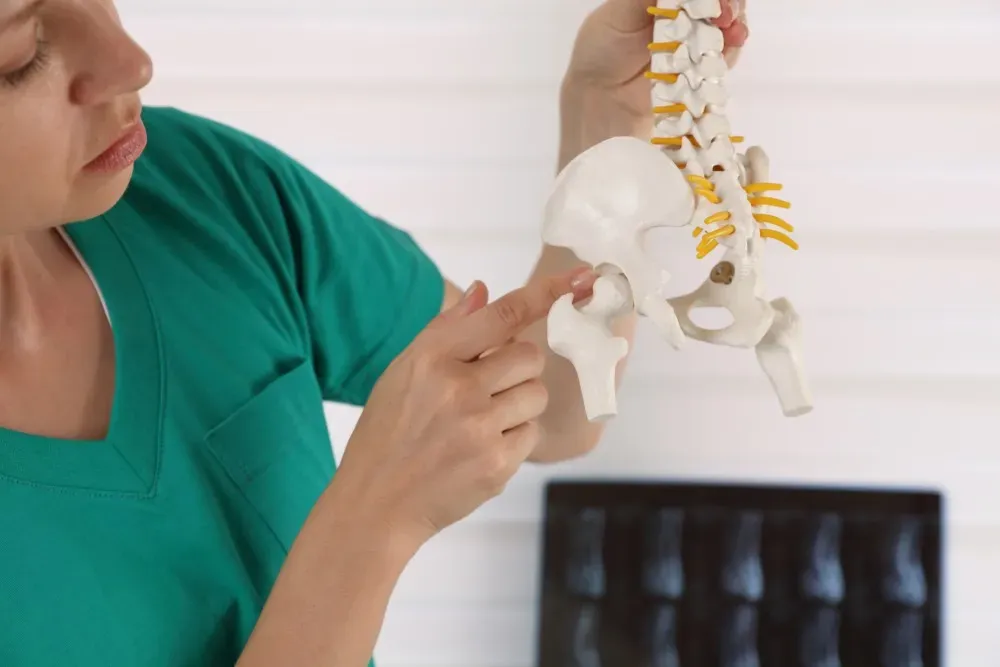
Global health authorities recommend five foundational steps to keep bones strong after 30: optimizing daily calcium, rectifying vitamin D deficiencies, engaging in resistance and weight-bearing exercise, curbing sodium and caffeine, and eliminating tobacco. These preventative measures counter natural post-30 bone density loss, reducing long-term osteoporosis and fracture risks.
GENEVA / WASHINGTON — Health authorities, including the World Health Organization and the U.S. National Institutes of Health, have reiterated clinical guidance identifying five essential evidence-based interventions required to keep bones strong after 30, following fresh epidemiological data tracking an increase in early-onset osteopenia and fragility fractures worldwide. Clinical research confirms that human skeletal biology reaches peak bone mass around age 30, after which bone remodeling naturally shifts into a net deficit where resorption outpaces new tissue synthesis. With sedentary workplace habits and dietary shifts accelerating bone density decline in young working populations, medical authorities stress that preventative interventions initiated in early adulthood are critical to averting debilitating skeletal disease decades later.
1. Meeting Recommended Calcium and Micronutrient Intakes
The primary biochemical building block of skeletal strength remains bioavailable calcium, which forms the structural hydroxyapatite crystal lattice within skeletal tissue. According to guidance issued by health agencies, adults between the ages of 19 and 50 require an intake of 1,000 milligrams of elemental calcium daily, which can be acquired through dairy products, fortified plant-based milk alternatives, tofu, leafy greens, and legumes.
However, regulatory clinical guidelines emphasize that calcium intake alone is insufficient without adequate co-factors. Micronutrients such as magnesium, phosphorus, and vitamin K2 are essential for directing calcium into the bone mineral matrix rather than arterial walls. Medical authorities caution against indiscriminate, high-dose unsupervised calcium supplementation, recommending instead that individuals fulfill requirements through dietary consumption to prevent kidney stone formation or vascular calcification.
2. Maintaining Optimal Vitamin D Blood Concentrations
Vitamin D acts as a hormone that regulates the active absorption of intestinal calcium. Epidemiological reports published by the Indian Council of Medical Research and global counterparts indicate that up to 70% to 80% of urban working adults have sub-optimal serum 25-hydroxyvitamin D levels, largely caused by extended indoor office hours and sunblock usage.
Public health advisories recommend that adults maintain serum levels between 30 and 50 ng/mL. The standard dietary guideline recommends a baseline intake of 600 to 800 International Units (IU) of vitamin D3 daily for adults up to age 70. In clinical protocols, medical supervisors recommend sensible mid-day sun exposure, consumption of fatty fish and fortified foods, and routine annual blood tests to evaluate whether physician-prescribed cholecalciferol supplements are required to preserve bone remodeling dynamics.
3. Prioritizing Progressive Resistance and Weight-Bearing Exercise
Skeletal tissue operates as a living, dynamic structure that responds directly to mechanical stress through a biological mechanism known as mechanotransduction. According to sports medicine and orthopedic associations, walking alone is insufficient to maintain density in the spine, femoral neck, and wrists after age 30.
Clinical protocols prescribe two distinct exercise modalities:
Progressive Resistance Training: Lifting weights, using resistance bands, or executing bodyweight movements (such as squats and deadlifts) at least two to three days per week to stimulate osteoblast proliferation.
High-Impact and Weight-Bearing Drills: Activities like jogging, stair climbing, tennis, and plyometrics that deliver vertical compressive loads through long bones, triggering mineralization signals that keep bones strong after 30.
4. Moderating Alcohol, Caffeine, and Sodium Consumption
Dietary habits after age 30 play a pivotal role in the metabolic balance between calcium absorption and urinary excretion. Clinical data reviewed by health agencies reveals that excessive sodium intake forces the kidneys to excrete calcium alongside excess salt, accelerating bone mineral depletion over time.
Similarly, chronic alcohol consumption disrupts liver enzyme pathways required for vitamin D metabolism and directly suppresses osteoblast function. Regulatory guidelines emphasize limiting daily caffeine consumption to below 400 milligrams and avoiding excessive consumption of phosphoric-acid-laden sodas, both of which correlate with lower bone mineral density markers in longitudinal cohort studies.
5. Eliminating Tobacco and Undertaking Early Clinical Screening
Tobacco consumption in all forms remains one of the most destructive lifestyle drivers of skeletal deterioration. Nicotine and related toxic byproducts induce microvascular vasoconstriction, reducing nutrient flow to bone tissue, while simultaneously suppressing estrogen and testosterone pathways essential for bone formation.
In addition to smoking cessation, health guidelines advocate for early clinical risk assessment. While routine Dual-Energy X-ray Absorptiometry (DEXA) scans are universally mandated for women aged 65 and older and men over 70, clinicians recommend baseline risk scoring—such as the WHO Fracture Risk Assessment Tool (FRAX)—for adults after age 30 who present with family histories of hip fractures, celiac disease, thyroid disorders, or prolonged corticosteroid prescriptions.
Official Sources
The clinical recommendations and epidemiological data are drawn directly from public health directives and biomedical repositories:
Official Statements
"According to public health officials, human bone density peaks near the end of the third decade of life, which means interventions to preserve skeletal integrity must shift from passive development to active maintenance through structured nutrition and mechanical loading."
"According to clinical guidelines issued by health agencies, addressing lifestyle risks and nutrient deficiencies in one's thirties is the most effective clinical pathway to mitigate secondary osteoporosis and fragile bone outcomes later in life."
Why It Matters
Osteoporosis is frequently classified as a "silent epidemic" because microarchitectural deterioration occurs over decades without visible clinical symptoms until an acute low-impact fracture occurs. With life expectancy extending globally, proactive bone preservation initiated in early adulthood significantly reduces personal morbidity, minimizes the economic burden on hospital systems, and limits the risk of catastrophic hip fractures during retirement years.
Key Facts at a Glance
Peak Bone Mass Timeline: Achieved typically between ages 25 and 30, after which natural bone loss begins.
Daily Calcium Baseline: 1,000 mg daily for men and women aged 19 to 50.
Vitamin D Target: 600 to 800 IU daily to ensure adequate intestinal calcium absorption.
Exercise Prescription: Minimum 2 to 3 sessions weekly combining resistance loading and weight-bearing movement.
Major Accelerants of Loss: Tobacco usage, high dietary sodium, excessive caffeine, and vitamin D deficiency.
Frequently Asked Questions (FAQs)
Why does bone density begin to decline after age 30?
Bones undergo constant remodeling where old bone is broken down and new bone is created. In adulthood, peak skeletal mass is achieved around age 30; subsequent cellular remodeling gradually resorbs slightly more bone tissue than it synthesizes.
Can diet alone keep bones strong after 30 without exercise?
No. While adequate dietary calcium and vitamin D provide essential raw minerals, bone cells require mechanical resistance and impact loading to signal the incorporation of those minerals into the skeletal framework.
How often should adults get their vitamin D levels checked?
Health professionals recommend checking serum 25-hydroxyvitamin D levels annually during routine preventative medical checkups, especially for indoor workers or those living in northern latitudes.
Source: Official musculoskeletal health directives published by the World Health Organization, scientific advisories from the National Institutes of Health, and lifestyle health standards issued by the Centers for Disease Control and Prevention.