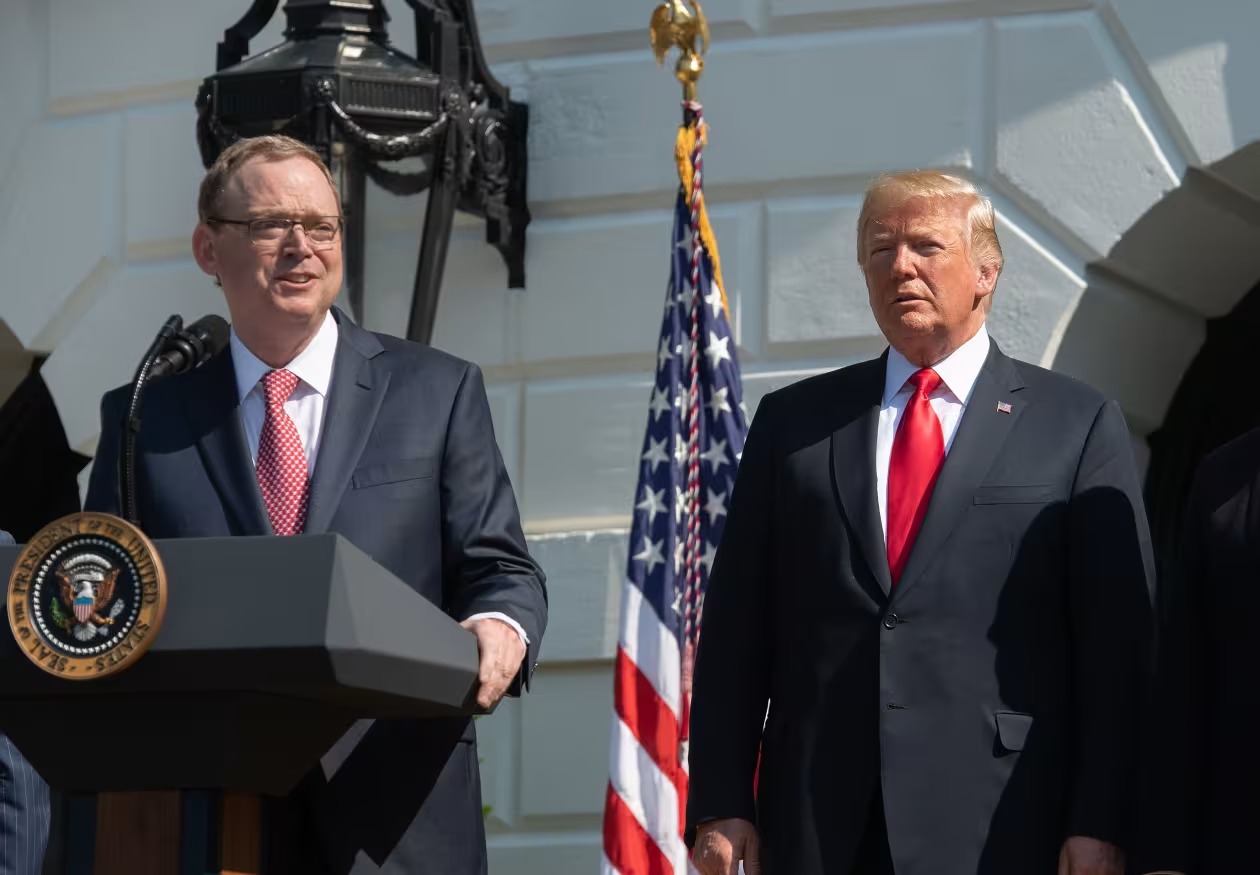
As global trade negotiations intensify, White House economic advisor Kevin Hassett has signaled that President Donald Trump will likely seek changes before any formal agreement with China is announced. The developments come amid a broader diplomatic push involving India and Canada, with Hassett s...
As global trade negotiations intensify, White House economic advisor Kevin Hassett has signaled that President Donald Trump will likely seek changes before any formal agreement with China is announced. The developments come amid a broader diplomatic push involving India and Canada, with Hassett suggesting that both nations may face renewed scrutiny over their trade practices.
Key signals from Hassett’s remarks:
1. President Trump is expected to be briefed today on the draft trade agreement with China, with potential revisions anticipated before finalization
2. Hassett indicated that India might reconsider certain trade practices in light of evolving global standards and U.S. expectations
3. On Canada, Hassett expressed optimism, stating there is still hope for progress in ongoing trade discussions
China trade deal under review:
- The U.S.-China trade agreement, which has been under negotiation for months, is nearing its final stages
- Trump’s briefing today is expected to include updates on tariff structures, enforcement mechanisms, and intellectual property protections
- Hassett emphasized that while the framework is largely in place, the president may request last-minute adjustments to ensure strategic alignment
India’s trade posture under lens:
- Hassett’s comment that India might reconsider its practices suggests potential pressure on New Delhi to align with U.S. trade norms
- Areas of concern may include digital taxation, pharmaceutical exports, and agricultural subsidies
- The remarks come as India continues to expand its bilateral trade footprint with both Western and Asian partners
Canada trade talks show cautious optimism:
- Hassett’s tone on Canada was notably more positive, indicating that negotiations are progressing despite earlier setbacks
- Key issues include dairy market access, auto tariffs, and cross-border data regulations
- The U.S. and Canada have maintained a steady dialogue, with both sides committed to preserving the integrity of the USMCA framework
Strategic implications and global ripple effects:
- The outcome of the China deal could set a precedent for future trade negotiations, especially with emerging economies like India
- Hassett’s remarks suggest a shift toward more reciprocal and enforcement-heavy trade agreements
- Markets are watching closely, with potential volatility expected depending on the final terms and timing of announcements
Presidential posture and political calculus:
- Trump has consistently advocated for trade deals that prioritize American manufacturing, job creation, and national security
- His approach to China has included aggressive tariff policies, which may be softened or retained depending on the final agreement
- The administration’s stance on India and Canada reflects a broader effort to recalibrate global trade relationships in favor of U.S. interests
Conclusion:
As President Trump prepares to review the China trade agreement, Hassett’s remarks underscore the administration’s intent to fine-tune global trade partnerships. With India potentially facing calls for reform and Canada showing signs of progress, the coming days could reshape the contours of international commerce. The White House’s strategic recalibration may usher in a new era of trade diplomacy—one defined by assertiveness, adaptability, and economic nationalism.
Sources: Reuters (RTRS), CNBC, India Today, The Hill, Yahoo Finance, Economic Times